
TL;DR:
- Story generators create unique story prompts or full outlines to inspire writers instantly. Advanced tools offer diverse plots, genre support, and structured outlines, improving narrative coherence. Professionals use AI as a scaffolding tool for rapid idea testing, maintaining control over storytelling quality.
A story generator is an AI-driven tool that creates unique narrative prompts or complete story outlines to inspire writers and content creators instantly. These tools fall into two main categories: prompt-based generators that produce brief story starters and autonomous engines that build full chaptered drafts. Both types solve the same core problem. They give you a starting point when your own ideas stall. For writers, content creators, and entrepreneurs managing branded storytelling, the right narrative creation tool can cut hours off your creative process and keep your output consistent.
What makes a story generator worth using?
The best fiction writing tools share a handful of features that separate them from basic random story idea generators. Knowing what to look for saves you from wasting time on tools that produce generic, unusable output.
Key features to evaluate:
- Plot variety. Advanced plot generators commonly produce around 5 unique plot variations per use, each following the recognized 3-act structure. That gives you real narrative options, not just one direction.
- Genre and constraint support. The best tools let you set parameters: genre, tone, location, character count, or even dialogue-only scenes. Constraints are not limitations. They are creative accelerators.
- Structured outlines. Look for tools that generate chapter outlines before full drafts. This preserves narrative coherence and gives you a clear editing target.
- Privacy and data handling. Some client-side tools operate entirely in your browser, storing no data externally. For sensitive projects or proprietary brand stories, this matters.
- Export options. PDF, EPUB, and rich-text export formats let you move your work into production pipelines without reformatting headaches.
- Skill-level flexibility. Beginners need simple prompts. Advanced writers need beat sheets and structural scaffolding. The best tools serve both.
Pro Tip: Before committing to any story plot generator, run three test prompts in your primary genre. If the output feels interchangeable with any other tool, move on.
1. Prompt-based story starter tools
Prompt-based generators are the entry point for most writers. They produce a single sentence or short paragraph that sets a scene, introduces a character, or poses a conflict. You do the rest.
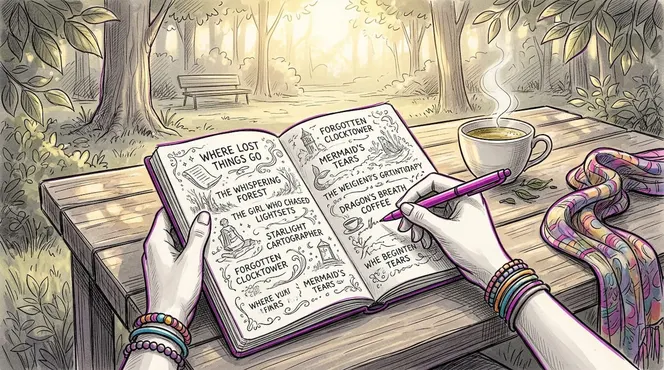
These tools work best for daily writing practice. You get a spark, set a timer for 10 minutes, and write without stopping. Timed writing sprints using prompts help writers commit to first drafts without editing interruptions. That discipline compounds over weeks into a real body of work.
The weakness of pure prompt generators is depth. They give you a door but no floor plan. If you need a full story arc, you will need to build the structure yourself or combine the tool with a separate outlining method.
2. Autonomous story engines
Autonomous engines go further. They generate full chapter outlines, character arcs, and sometimes complete draft chapters based on your initial input. These are the tools that experienced novelists and content teams use for structural scaffolding.
The workflow that produces the best results: generate a structured outline first, then refine each chapter in a rich editing environment. Inkfluence AI follows this exact approach, generating outlines before chapters and providing a polished editing space for refinement. The output quality improves significantly when you treat the AI draft as a first pass, not a finished product.
Autonomous engines are ideal for entrepreneurs producing branded story content at scale. You can test multiple plot angles quickly, identify the strongest narrative direction, and hand the outline to a writer or editor for final polish.
3. Genre-specific story generators
Genre-specific tools are built around the conventions of a single category: romance, thriller, science fiction, horror, or literary fiction. They understand genre tropes, pacing expectations, and reader conventions at a structural level.
A romance generator knows that the meet-cute comes early and the black moment arrives in act two. A thriller generator builds in escalating stakes and a ticking clock. These built-in conventions save you from having to program genre logic manually.
For content creators producing serialized fiction or branded narrative content, genre-specific tools reduce the cognitive load of each new project. You are not starting from scratch. You are starting from a genre-informed scaffold.
4. Character and conflict generators
Character generators focus on one specific creative challenge: building people who feel real. They produce names, backstories, motivations, fears, and relationships. Conflict generators take two characters and produce the friction between them.
These tools are underused by content creators who think of story generators only in terms of plot. Character conflict is the engine of every compelling story. A well-defined antagonist or a protagonist with a specific internal wound makes every scene easier to write.
Pro Tip: Use a character generator to build your secondary characters first. Strong supporting roles reveal your protagonist’s blind spots and create natural conflict without forcing it.
5. Random story idea generators for brainstorming
Random story idea generators are the most chaotic and, sometimes, the most useful tools in your kit. They combine genre, setting, character type, and conflict at random. The results are often absurd. That is the point.
The best creative ideas often come from unexpected combinations. A random generator might pair a retired astronaut with a small-town bakery and a missing inheritance. That combination forces your brain to solve a puzzle it would never have invented on its own.
Use random generators at the start of a brainstorming session, not as your final creative direction. Generate 10 random story ideas, identify the two or three with genuine potential, and then develop those with a more structured tool.
6. Psychology-based story generators
Psychology-based generators are the most sophisticated category. They build narratives around psychological frameworks: attachment theory, trauma responses, cognitive distortions, or Jungian archetypes. The stories they produce feel emotionally true because they are grounded in how people actually think and behave.
Gammatica’s AI models operate at this level, generating psychology-based stories and other narrative types using the platform’s highest-capability AI. That depth produces characters with believable internal lives and conflicts that resonate with readers on an emotional level. For entrepreneurs building brand narratives or content creators writing character-driven fiction, this is the category that separates good stories from memorable ones.
The practical application for content businesses is significant. A psychology-based narrative framework makes your brand story more persuasive because it mirrors how your audience actually processes decisions and emotions.
7. Story prompt generators for daily writing practice
A story prompt generator used daily is one of the most effective writing development tools available. The key word is daily. Sporadic use produces sporadic results.
Building a categorized prompt bank by genre, mood, and difficulty level outperforms random generation for sustained creative work. When you can pull a “difficult emotional scene” prompt or an “action-heavy opener” prompt on demand, you match the prompt to your current creative energy rather than fighting it.
Organize your prompt library with labels. Easy prompts for low-energy days. Uncomfortable prompts for when you want to grow. Form-based prompts (write only in dialogue, write only in second person) for when you want to experiment. This system keeps your practice fresh and prevents the prompt fatigue that kills creative momentum.
How constraints make story generation more effective
Infinite freedom paralyzes creativity. This is not a theory. Writers who sit down with no constraints, no genre, no character, and no conflict consistently produce less than writers who start with a specific, limited prompt.
Artificial constraints force your brain to solve a narrative puzzle instead of searching for the perfect idea. A constraint like “write a scene with only two characters, in one room, with no physical action” removes dozens of decisions instantly. You know exactly what you are working with. That focus produces momentum.
“The enemy of art is the absence of limitations.” — Orson Welles
Effective constraints for story generation include:
- Dialogue-only scenes. No description, no internal monologue. Every character detail must come through speech.
- Single-location stories. One room, one street corner, one vehicle. The setting becomes a pressure cooker.
- Timed writing sprints. Ten minutes, no editing, no stopping. The timer removes perfectionism from the equation.
- 3-beat story structures. Setup, confrontation, resolution. Three beats force you to think in complete narrative arcs, even for very short pieces.
The 3-act structure is the most widely recognized framework in narrative creation. Using it as a constraint within your story prompt generator sessions trains your instinct for story shape over time.
Integrating AI storytelling tools into professional workflows
Content businesses use story generators differently than solo writers do. The goal is not personal creative development. The goal is consistent, quality output at a pace that supports a publishing or marketing schedule.
The most effective professional workflows combine AI-generated outlines with human editing. Experienced writers use AI scaffolding to build beat sheets and chapter outlines, then manually expand each section to inject personality and avoid generic AI tone. This hybrid approach is faster than writing from scratch and produces better results than unedited AI output.
For entrepreneurs, story generators also serve a specific business function: testing narrative angles before committing resources. You can generate five different plot directions for a brand story campaign in 20 minutes, share them with your team, and identify the strongest direction before a writer spends days developing it. That kind of rapid prototyping has real business value.
Privacy considerations matter in professional settings. For sensitive brand projects or proprietary story concepts, choose tools that operate client-side and retain no data externally. Your creative IP stays yours.
Productivity tools like smart event management platforms show how AI-assisted workflows reduce administrative overhead in creative businesses, freeing teams to focus on the work that actually requires human judgment.
Viktor’s take: AI is scaffolding, not a ghostwriter
I have watched writers make the same mistake with story generators for years. They treat the output as a finished product. They paste the AI draft into their document, change a few words, and call it done. The result is always the same: flat characters, predictable beats, and prose that reads like it was written by a committee.
The writers who get real value from these tools use them differently. They take the AI-generated outline and treat it as a skeleton. They ask: what does this character actually want, and why does that want terrify them? The AI gives you the structure. You provide the soul.
Avoiding prompt fatigue is the other discipline most writers skip. They use a generator heavily for two weeks, burn through every interesting combination, and then abandon it. A curated prompt library with varied difficulty levels and emotional tones solves this completely. Label your prompts. Revisit them. A prompt that felt too hard six months ago might be exactly right today.
The writers I respect most use AI story generators the way architects use CAD software. The software does not design the building. It handles the technical drawing so the architect can focus on what the building means and how it feels to stand inside it. That is the right relationship with these tools.
— Viktor
Gammatica helps creative teams manage story projects at scale
Managing multiple story projects across a team is a different challenge than writing one story alone. Deadlines overlap, feedback loops stall, and creative decisions get lost in email threads.
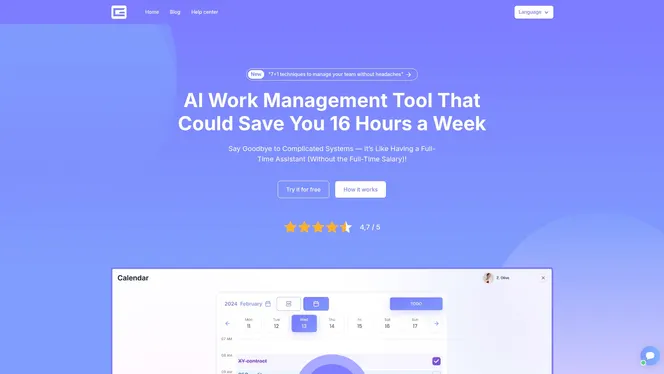
Gammatica gives founders and creative team leads a clear view of every project in motion. The platform’s task management, Kanban boards, and AI-powered workflow tools keep story development organized from first outline to final draft. Teams using Gammatica report freeing up to 16 hours weekly by reducing the administrative work that pulls writers away from actual writing. If you manage a content business or a creative team, the Gammatica for Founders page shows exactly how the platform supports fast-moving creative operations.
FAQ
What is a story generator?
A story generator is an AI-powered tool that produces narrative prompts, character ideas, or complete story outlines to help writers and creators start and develop stories faster.
What are the two main types of story generators?
Story generators fall into prompt-based generators, which produce short story starters, and autonomous story engines, which create full chapter outlines and draft content.
How do creative writing prompts help with writer’s block?
Structured prompts overcome writer’s block by removing the paralysis of infinite choice. Specific constraints like dialogue-only scenes or single-location stories give your brain a defined problem to solve.
Are AI story generators safe for sensitive creative projects?
Some tools operate entirely client-side and store no data externally, which protects your intellectual property. Always check a tool’s data retention policy before using it for proprietary projects.
How should entrepreneurs use a story plot generator in their business?
Entrepreneurs use story plot generators to rapidly test multiple narrative angles for brand storytelling or content campaigns, identifying the strongest direction before committing writing resources to full development.