Sorting through Project Director candidates for a global organization can be overwhelming. Each resume looks strong, but it is hard to distinguish who truly excels at leading complex teams, driving results, and adapting to challenging situations. You need clear, actionable criteria to separate high-performing leaders from average contenders.
This guide gives you a reliable framework to uncover the leadership qualities, strategic thinking, and execution skills that matter most. You will gain practical ways to reveal genuine experience and cultural alignment through targeted interview insights and evidence-based questions.
Get ready to discover the proven techniques that help identify Project Directors equipped to inspire teams, manage change, and deliver results across any international setting.
Table of Contents
- 1. Assessing Leadership and Team Management Experience
- 2. Exploring Strategic Thinking and Decision-Making Skills
- 3. Evaluating Project Planning and Execution Methods
- 4. Understanding Stakeholder Communication Strategies
- 5. Probing Knowledge of Process Automation and Tools
- 6. Measuring Change Management and Adaptability
- 7. Identifying Cultural Fit and Company Values Alignment
1. Assessing Leadership and Team Management Experience
Evaluating a Project Director’s leadership and team management experience is a critical step in identifying candidates who can effectively guide complex projects through challenging organizational landscapes. When interviewing for this pivotal role, HR professionals must dive deep into understanding how candidates have historically managed teams and navigated leadership challenges.
Leadership assessment goes far beyond reviewing a resume. It requires uncovering concrete evidence of strategic team management. Successful Project Directors demonstrate the ability to:
- Coordinate diverse teams across multiple departments
- Maintain clear communication with stakeholders
- Resolve conflicts efficiently and professionally
- Drive project outcomes through strong motivational skills
- Create accountability systems that track team performance
Exceptional Project Directors transform groups of individuals into high-performing, cohesive teams that consistently exceed organizational expectations.
When conducting interviews, focus on specific leadership performance indicators that reveal a candidate’s true leadership capabilities. Ask candidates to share specific scenarios demonstrating how they have:
- Managed large teams through complex projects
- Implemented coaching and mentoring strategies
- Handled significant interpersonal challenges
- Achieved measurable team performance improvements
Pay particular attention to candidates who can articulate not just what they did but how they inspired their teams to achieve exceptional results. Look for evidence of emotional intelligence, strategic thinking, and the ability to adapt leadership styles to different team dynamics.
Pro tip: During interviews, request concrete examples that showcase the candidate’s leadership philosophy and their tangible impact on team performance and organizational goals.
2. Exploring Strategic Thinking and Decision-Making Skills
Successful Project Directors must possess exceptional strategic thinking and decision-making skills that go far beyond basic management techniques. These capabilities are the cornerstone of driving organizational success through complex project landscapes.
Strategic thinking involves more than just planning it requires a comprehensive approach to understanding and navigating organizational challenges. When interviewing candidates, look for individuals who demonstrate:
- Ability to develop comprehensive project strategies
- Clear vision for long-term organizational goals
- Proactive risk management capabilities
- Flexible problem-solving skills
- Analytical thinking in ambiguous environments
Exceptional strategic thinkers transform potential obstacles into opportunities for organizational growth and innovation.
When assessing a candidate’s strategic decision-making prowess, focus on specific performance indicators that reveal their true strategic capabilities. Ask candidates to share scenarios that demonstrate:
- How they anticipated and mitigated potential project risks
- Their approach to making decisions with incomplete information
- Methods for aligning team efforts with broader organizational objectives
- Examples of adapting strategies in dynamic business environments
Pay close attention to candidates who can articulate not just what they decided but how they arrived at those decisions. Look for evidence of systematic thinking, stakeholder consideration, and the ability to balance short-term needs with long-term strategic vision.
Pro tip: Request candidates provide specific examples that showcase their strategic thinking process, emphasizing their ability to connect tactical actions with overarching organizational goals.
3. Evaluating Project Planning and Execution Methods
Project planning and execution represent the critical core of a Project Director’s responsibilities where theoretical strategies transform into tangible organizational results. Understanding a candidate’s approach to comprehensive project management requires deep exploration of their systematic planning and delivery capabilities.
Project planning excellence demands more than simple organizational skills. It requires a holistic approach that encompasses:
- Comprehensive resource allocation strategies
- Robust change management protocols
- Precise scope definition and tracking
- Effective stakeholder communication systems
- Adaptive execution methodologies
Exceptional Project Directors turn complex project blueprints into successful organizational achievements through meticulous planning and flexible execution.
When interviewing candidates, investigate their project planning techniques by requesting specific examples that demonstrate:
- How they develop detailed project roadmaps
- Methods for managing unexpected scope changes
- Strategies for maintaining budget and timeline compliance
- Approaches to cross-functional team coordination
Key performance indicators should reveal a candidate’s ability to navigate complex project environments. Look for evidence of systematic thinking that goes beyond surface-level planning and shows deep understanding of organizational dynamics.
Successful Project Directors understand that planning is an iterative process. They continuously reassess project parameters, anticipate potential challenges, and develop flexible strategies that can adapt to changing business landscapes.
Pro tip: During interviews, ask candidates to walk you through a specific project case study that highlights their planning methodology and demonstrates their ability to successfully navigate complex execution challenges.
4. Understanding Stakeholder Communication Strategies
Stakeholder communication represents the critical nervous system of any successful project where information flows seamlessly between multiple organizational layers. Project Directors must master the art of creating transparent communication channels that align diverse interests and expectations.
Effective stakeholder communication requires a multifaceted approach that encompasses:
- Identifying all relevant stakeholder groups
- Understanding unique stakeholder expectations
- Developing targeted communication protocols
- Managing conflicting stakeholder interests
- Creating consistent information delivery mechanisms
Exceptional Project Directors transform complex communication challenges into opportunities for organizational alignment and collaborative success.
When evaluating a candidate’s communication capabilities, explore their stakeholder management techniques by examining:
- Their process for mapping stakeholder relationships
- Methods for resolving communication conflicts
- Strategies for maintaining transparency
- Approaches to building trust across different groups
Successful Project Directors recognize that communication is more than information sharing. It involves creating a narrative that connects project objectives with stakeholder expectations, ensuring everyone feels heard and valued.
Look for candidates who demonstrate emotional intelligence and can articulate complex project dynamics in clear terms that resonate with diverse audiences. Their ability to translate technical information into meaningful insights separates exceptional leaders from average managers.
Pro tip: During interviews, request candidates describe a specific scenario where they successfully navigated challenging stakeholder communications and transformed potential conflicts into collaborative opportunities.
5. Probing Knowledge of Process Automation and Tools
In today’s technology-driven project management landscape, a Project Director’s proficiency with process automation and digital tools is no longer optional but essential. Understanding how to leverage technology to streamline workflows and enhance organizational efficiency separates exceptional leaders from average managers.
Process automation expertise requires comprehensive knowledge across multiple dimensions:
- Advanced project management software capabilities
- Workflow optimization techniques
- Integration of artificial intelligence tools
- Data-driven decision support systems
- Cross-platform technological integration
Exceptional Project Directors view automation not as a replacement for human skills but as a powerful amplifier of organizational potential.
When evaluating a candidate’s technological capabilities, investigate their automation strategies by exploring:
- Their experience implementing automation solutions
- Methods for selecting appropriate technological tools
- Strategies for managing technology adoption
- Understanding of tool limitations and potential challenges
Key technological competencies should demonstrate more than surface-level familiarity. Look for candidates who can articulate how specific automation tools create measurable organizational value beyond simple process efficiency.
Successful Project Directors recognize that technological tools are most powerful when they complement human creativity and strategic thinking. They understand how to balance technological capabilities with nuanced human insights to drive project success.
Pro tip: Request candidates provide concrete examples of how they have used process automation tools to solve real-world project challenges, focusing on tangible outcomes rather than theoretical capabilities.
6. Measuring Change Management and Adaptability
Change management represents the critical skill that separates exceptional Project Directors from ordinary managers. In an era of constant organizational transformation, a leader’s ability to navigate complexity and guide teams through uncertainty becomes paramount.
Effective change management requires a multifaceted approach that encompasses:
- Understanding organizational resistance mechanisms
- Developing comprehensive communication strategies
- Creating systematic transition frameworks
- Measuring change implementation success
- Maintaining team morale during transitions
Successful change management transforms potential organizational disruption into an opportunity for growth and innovation.
When evaluating a candidate’s adaptability, explore their change management techniques by examining:
- Their experience with structured change frameworks
- Methods for addressing team member concerns
- Strategies for maintaining productivity during transitions
- Approaches to measuring change effectiveness
Key adaptability indicators should reveal a candidate’s capacity to remain calm and strategic when facing unexpected challenges. Look for evidence of flexible thinking and proactive problem-solving that goes beyond rigid procedural responses.
Successful Project Directors understand that change is not just about implementing new processes but about guiding people through psychological and operational transformations with empathy and clear vision.
Pro tip: Request candidates describe a specific scenario where they successfully guided an organizational change, focusing on their emotional intelligence and strategic approach to managing team dynamics during transition.
7. Identifying Cultural Fit and Company Values Alignment
Cultural fit represents more than a buzzword it is the critical foundation determining whether a Project Director will thrive or struggle within an organizational ecosystem. Assessing a candidate’s alignment with company values and cultural dynamics can make the difference between transformative leadership and potential misalignment.
Cultural compatibility assessment requires exploring multiple dimensions:
- Personal leadership philosophy
- Communication and collaboration preferences
- Ethical decision-making approaches
- Adaptability to organizational dynamics
- Alignment with core company values
Exceptional candidates do not just fit into an organizational culture they help elevate and shape it through authentic leadership.
When evaluating cultural alignment, investigate comprehensive fit indicators by examining:
- Their interpretation of organizational values
- Examples of previous cultural integration experiences
- Approaches to resolving value-based conflicts
- Personal growth and learning philosophies
Successful Project Directors understand that cultural alignment transcends superficial compatibility. They demonstrate a nuanced ability to respect existing organizational norms while introducing positive transformative perspectives.
Look for candidates who can articulate how their personal values complement and enhance the company’s mission without compromising their authentic leadership style.
Pro tip: Design interview questions that reveal a candidate’s deeper motivations and values rather than relying solely on surface-level responses about cultural fit.
Below is a comprehensive table summarizing the key assessment areas and considerations for evaluating potential candidates for the Project Director role as discussed in the article.
| Assessment Area | Key Evaluation Factors | Additional Insights |
|---|---|---|
| Leadership and Team Management | Coordination of diverse teams, stakeholder communication, conflict resolution, accountability. | Assess practical scenarios of leadership adaptability and motivation. |
| Strategic Thinking and Decision-Making | Creation of project strategies, proactive risk management, analytical flexibility. | Investigate strategic thinking processes and decision rationales explicitly demonstrated by candidates. |
| Project Planning and Execution | Detailed roadmaps, budget compliance, cross-team collaboration, adaptive methodologies. | Evaluation of systematic planning methods with an understanding of the iterative nature of project management. |
| Stakeholder Communication | Transparent protocols, relationship mapping, trust building, conflict mitigation. | Evaluate candidates for emotional intelligence and clarity in communication strategies, tailored to diverse groups. |
| Process Automation Proficiency | Implementation of tools, workflow optimization, technology integration. | Examine contributions providing efficiency enhancements and organizational value derived from automation tools. |
| Change Management and Adaptability | Resistance analysis, structured process management, team morale maintenance. | Explore examples where effective adaptation led to successful organizational transitions with minimal disruption. |
| Cultural Alignment | Personal values consistency with organizational mission, ethical decision-making approaches. | Candidates should demonstrate respect for existing cultural dynamics while contributing positively to the organization’s growth and innovation climate. |
Enhance Your Project Director Interview Success with Smarter Management Tools
The article highlights key challenges in leadership, strategic planning, stakeholder communication, and change management that Project Directors face daily. If you aim to streamline team coordination, reduce administrative burdens, and elevate project execution, embracing intelligent project management solutions becomes essential. Gammatica.com offers an AI-driven platform designed to simplify these complex demands by providing automated workflows, real-time collaboration, and integrated communication tools that allow leaders to focus on inspiring teams and driving results.
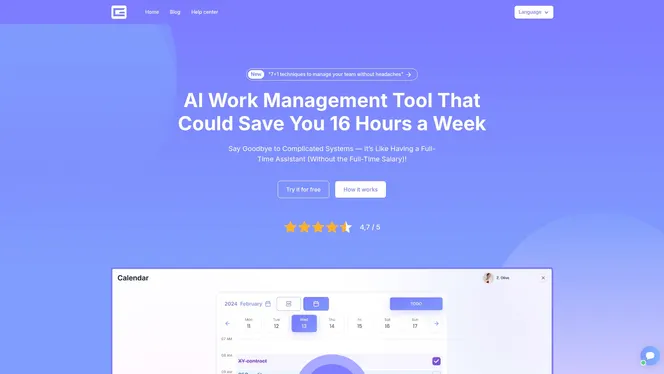
Discover how our platform supports Project Directors in managing complex projects with features like task automation, Kanban boards, and CRM integration that directly address the critical pain points examined in the article. Start transforming your interview preparation and ongoing project leadership by exploring Gammatica’s comprehensive project and team management suite. Act now to unlock up to 16 hours of saved time weekly and lead your projects with greater confidence and clarity.
Frequently Asked Questions
What are the key leadership skills to look for in a Project Director?
Successful Project Directors should demonstrate strong leadership skills such as the ability to manage diverse teams, communicate effectively with stakeholders, and resolve conflicts professionally. Assess candidates by asking about their past experiences in leading large teams and how they drove team performance improvements.
How can I evaluate a candidate’s strategic thinking during an interview?
To gauge a candidate’s strategic thinking skills, ask questions about how they have developed project strategies or made decisions with incomplete information. Look for specific examples that showcase their ability to align team efforts with organizational goals and their approach to proactive risk management.
What project planning methods should a Project Director be familiar with?
A successful Project Director should be adept at creating detailed project roadmaps, managing budget compliance, and adapting to unexpected scope changes. In interviews, request candidates to provide examples of how they have systematically planned and executed projects under tight deadlines.
How do I assess a candidate’s communication strategies with stakeholders?
You can assess a candidate’s communication strategies by asking them about their methods for mapping stakeholder relationships and resolving conflicts. Look for their experience in maintaining transparency and building trust across various stakeholder groups during project execution.
What role does process automation play in project management?
Process automation is crucial for streamlining workflows and enhancing efficiency in project management. Ask candidates how they have implemented automation tools in past projects and the measurable outcomes they achieved, such as reducing project delivery times by 20%.
How can a Project Director effectively manage change within an organization?
Effective change management requires understanding organizational resistance and developing clear communication strategies. During interviews, explore how candidates have successfully guided teams through transitions and measured the effectiveness of change initiatives.