Tight deadlines can make even the most organized project manager feel overwhelmed when complex deliverables must move quickly from planning to completion. Managing the boundaries of a project while keeping teams aligned across continents is a daily challenge, especially in the fast-paced world of technology. By combining Project Scope Management with AI-powered milestone creation and delegation tools, you gain a practical roadmap for smoother execution, fewer delays, and greater clarity from kickoff to final delivery.
Table of Contents
- Step 1: Assess Project Scope And Critical Deadlines
- Step 2: Set Up AI-Powered Timeline And Milestones
- Step 3: Delegate Tasks Leveraging Automated Tools
- Step 4: Monitor Progress With Real-Time Tracking
- Step 5: Verify Completion And Resolve Bottlenecks
Step 1: Assess project scope and critical deadlines
Understanding your project’s scope sets the foundation for successful deadline management. Project Scope Management involves defining the precise boundaries of your work, establishing clear objectives, and mapping out critical deliverables before you begin executing tasks.
Start by creating a comprehensive project charter that outlines your project’s strategic goals, key milestones, and expected outcomes. Break down your project into specific, measurable components by listing all required tasks, estimating their complexity, and determining the estimated time needed for completion. This initial mapping helps you identify potential bottlenecks and allocate resources strategically. Pay special attention to interdependent tasks that might create cascading delays if not managed proactively.
Document each deliverable with specific parameters including estimated duration, required resources, dependencies, and potential risks. By developing a granular understanding of your project’s landscape, you’ll create a realistic timeline that accounts for potential challenges and unexpected complications. This approach transforms scope assessment from a theoretical exercise into a practical roadmap for consistent project delivery.
Pro tip: Always include a 15-20% buffer time in your initial project timeline to accommodate unexpected complications or minor setbacks.
Step 2: Set up AI-powered timeline and milestones
Streamline your project planning by leveraging AI milestone creation tools that transform complex project requirements into clear, actionable timelines. These intelligent systems can rapidly analyze your project description and automatically generate strategic milestones that align with your specific goals and constraints.
Begin by uploading your comprehensive project charter or detailed project description into the AI milestone creator. The system will parse your document, identifying key tasks, potential dependencies, and critical path components. Look for tools that offer customizable visualization options, allowing you to adjust proposed timelines and milestones based on your team’s unique requirements. Pay close attention to the suggested sequence of tasks and the estimated time allocations generated by the AI system.
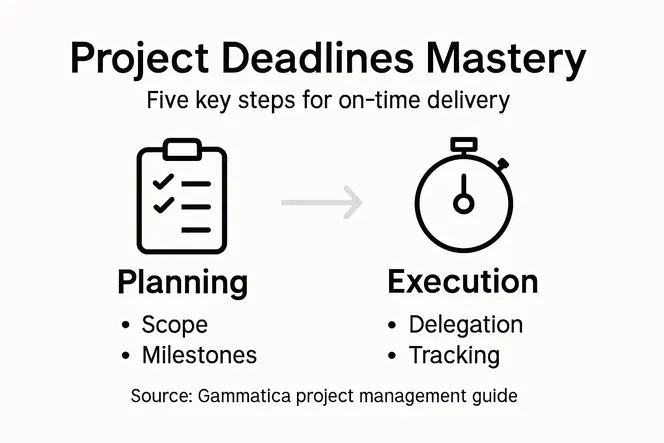
Review each proposed milestone critically, ensuring they match your initial project scope and strategic objectives. Although AI tools provide intelligent suggestions, human oversight remains crucial. Verify that each milestone includes clear success criteria, assigned responsibilities, and potential risk mitigation strategies. This collaborative approach between AI technology and human expertise ensures a more robust and adaptable project timeline.
Pro tip: Select AI milestone creation tools that offer integration with your existing project management software to maximize workflow efficiency.
Step 3: Delegate tasks leveraging automated tools
Transform your project management approach by utilizing multi-agent AI delegation systems that intelligently distribute work across your team. These advanced tools can analyze each team member’s skills, workload, and historical performance to recommend optimal task assignments and streamline project workflow.
Start by inputting your project details and team member profiles into the AI delegation platform. The system will evaluate individual strengths, current workloads, and past performance metrics to suggest the most efficient task distribution. Unlike traditional delegation methods, AI tools can identify nuanced skill matches and potential bottlenecks before they impact your project timeline. Pay special attention to how the system recommends task allocation based on complexity, individual expertise, and projected completion times.
Continually monitor and adjust the AI recommendations through active human oversight. While automated tools provide powerful insights, successful delegation requires a collaborative approach that combines technological intelligence with human judgment. Regularly review task assignments, provide feedback to the AI system, and remain flexible in reallocating resources as project dynamics evolve. This approach ensures that your team maintains maximum productivity while leveraging the most advanced technological delegation strategies available.
Pro tip: Select AI delegation tools that offer real time performance tracking and easy manual override capabilities to maintain team flexibility.
Step 4: Monitor progress with real-time tracking
Elevate your project management capabilities by implementing comprehensive progress tracking techniques that provide immediate visibility into your team’s performance and project status. Real-time monitoring transforms abstract project plans into actionable insights, allowing you to detect potential bottlenecks and make swift strategic adjustments before minor issues escalate into significant challenges.

Utilize advanced tracking dashboards that offer granular views of individual and team progress across multiple dimensions. These interactive platforms enable you to visualize task completion rates, identify potential delays, and understand the intricate relationships between different project components. Configure your tracking system to generate automatic alerts when tasks fall behind schedule or when critical milestones are at risk. This proactive approach allows you to intervene precisely when and where intervention is most needed, maintaining your project’s momentum and ensuring consistent forward progress.
Establish a routine of regular review and analysis using your tracking tools. Set specific checkpoints to comprehensively assess project health, comparing actual performance against initial projections. During these reviews, look beyond raw data to understand the context behind task completion rates. Engage directly with team members to gain qualitative insights that raw metrics might not reveal, creating a balanced approach that combines technological tracking with human understanding.
Pro tip: Create weekly snapshot reports that capture both quantitative progress metrics and qualitative team feedback to develop a holistic view of project performance.
Step 5: Verify completion and resolve bottlenecks
Navigate project challenges strategically by understanding systematic bottleneck identification methods that pinpoint and address performance roadblocks before they derail your entire project. Identifying potential obstacles early allows you to implement targeted interventions that maintain momentum and ensure consistent progress.
Develop a comprehensive verification process that combines quantitative metrics with qualitative assessments. Review each project milestone against predefined success criteria, examining not just whether tasks were completed but how effectively they were executed. Pay special attention to areas where progress seems slower than anticipated. Investigate the root causes of these bottlenecks by conducting thorough team interviews, analyzing workflow documentation, and understanding the specific challenges preventing smooth task completion. This multifaceted approach helps you distinguish between temporary setbacks and systemic issues that require more substantial intervention.
Below is a summary of key project bottleneck identification techniques:
| Technique | Key Focus | Example Application |
|---|---|---|
| Workflow Analysis | Task flow bottlenecks | Mapping task dependencies |
| Team Interviews | Uncover hidden issues | Insights from team members |
| Performance Metrics | Identify slow progress | Analyzing completion rates |
| Risk Mapping | Pinpoint potential risks | Evaluating resource gaps |
Implement a dynamic problem resolution strategy that emphasizes adaptability and proactive management. When bottlenecks emerge, create targeted action plans that redistribute resources, adjust timelines, or introduce additional support mechanisms. Prioritize solutions that address underlying structural challenges rather than applying superficial quick fixes. Maintain transparent communication with your team throughout the resolution process, ensuring everyone understands the challenges and feels empowered to contribute to potential solutions.
Pro tip: Create a dedicated bottleneck tracking document that logs each obstacle, its potential causes, proposed solutions, and ultimate resolution strategy.
Here’s a comparison of traditional vs. AI-driven project management tools:
| Aspect | Traditional Tools | AI-Driven Tools |
|---|---|---|
| Task Assignment | Manual, based on manager | Automated, data-driven |
| Timeline Creation | Spreadsheet-based, static | Dynamic, adjusted by AI |
| Progress Monitoring | Periodic updates required | Real-time tracking dashboards |
| Bottleneck Detection | After delays occur | Proactively flagged by AI |
Take Full Control of Your Project Deadlines with AI-Driven Management
The challenge of mastering project deadlines often stems from unclear task delegation, inefficient timeline creation, and lack of real-time progress monitoring—all issues highlighted in “Master Handling Project Deadlines for Consistent Delivery.” If you struggle with juggling complex task assignments, anticipating bottlenecks, or ensuring consistent delivery, you are not alone. These pain points demand a solution that seamlessly integrates AI-powered timeline setting, intelligent delegation, and continuous monitoring to keep your projects on track.
Transform how your team meets deadlines by using Gammatica.com, a SaaS-based platform built to reduce administrative overhead and boost productivity through automation, smart scheduling, and collaborative tools. With features such as AI suggestions for task management, customizable checklists, and calendar coordination, you gain a clear, adaptable roadmap much like the article suggests. The platform supports your team’s success by freeing up to 16 hours weekly and offering real-time insights to spot bottlenecks before they become blockers.
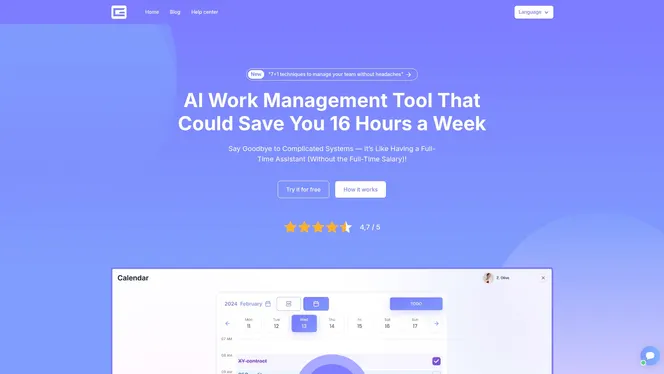
Experience the power of AI-driven project and team management today. Visit Gammatica to discover how our intuitive platform turns complex project scopes into actionable, manageable workflows. Don’t wait for deadlines to become stress points take charge now and secure consistent project success with tools designed for business leaders and managers who demand organized, automated, and scalable processes.
Frequently Asked Questions
How can I effectively assess my project’s scope to meet deadlines?
Start by creating a comprehensive project charter that outlines your project’s goals, key milestones, and deliverables. Break your project into specific tasks, estimate their complexity and required time, and document any dependencies and risks. This will help you identify bottlenecks and allocate resources efficiently.
What role does AI play in managing project timelines and milestones?
AI can analyze your project description to automatically generate actionable timelines and milestones that align with your goals. To make the most of this technology, upload your project charter to an AI tool and review the proposed milestones for alignment with your project scope and objectives.
How should I delegate tasks using automated tools?
Utilize AI-based delegation tools that evaluate team members’ skills and workloads to suggest optimal task distribution. Input your project details and team profiles to maximize efficiency, and regularly review assignments to ensure they remain aligned with individual strengths and project needs.
What are the benefits of real-time progress tracking in project management?
Real-time progress tracking provides immediate visibility into your team’s performance and allows for quick adjustments to keep the project on track. Implement a comprehensive tracking system with dashboards that monitor task completion, identify delays, and automate alerts for critical milestones.
How can I identify and resolve bottlenecks in my project?
Identify bottlenecks by reviewing milestones against success criteria and investigating areas where progress is slower than expected. Develop a verification process that combines quantitative metrics with team insights, and create targeted action plans to address underlying issues, which will help maintain project momentum.
What techniques should I use for bottleneck identification?
Utilize techniques like workflow analysis to map task dependencies, conduct team interviews for hidden issues, and analyze performance metrics for slower progress. Compile this information into a dedicated tracking document to log obstacles and track the effectiveness of your resolutions.