Awkward silences and surface-level conversations can make team meetings feel dull and disconnected. Turning these moments into opportunities for genuine connection can be challenging, especially when your group seems hesitant or distracted. Finding ways to break the ice and spark real engagement is more important than ever.
The right questions and creative approaches can change everything. When you introduce lighthearted prompts or celebrate recent wins, you give your team a chance to open up, laugh, and build trust. Research shows that fun fact icebreaker questions not only spark curiosity and relaxation, but also create a receptive atmosphere that encourages problem-solving and teamwork.
Get ready to discover practical and fun strategies that will transform your next meeting. Each tip ahead offers a straightforward way to make your sessions more lively, connected, and enjoyable for everyone.
Table of Contents
- 1. Start With A Fun Fact Question To Spark Conversation
- 2. Use Personal Interests To Foster Team Connection
- 3. Try Creative Problem-Solving Scenarios For Engagement
- 4. Ask About Recent Wins To Celebrate Success Together
- 5. Include Rapid-Fire Questions For Quick Energy Boost
- 6. Utilize Virtual Background Challenges For Remote Fun
- 7. Incorporate Future Goals For Team Motivation
1. Start With a Fun Fact Question to Spark Conversation
Turning team meetings from mundane check-ins to engaging conversations starts with one powerful technique: the fun fact icebreaker question. Research from Harvard Business School reveals that strategic questions can transform team dynamics by creating instant connections and reducing communication barriers.
Why do fun fact questions work so brilliantly? They tap into our natural human curiosity and create an immediate sense of psychological safety. When team members share something unexpected or quirky about themselves they:
- Break down formal workplace barriers
- Signal openness and vulnerability
- Generate unexpected laughs and shared moments
- Shift the meeting’s energy from transactional to relational
A surprising personal detail can unlock more meaningful team interactions than hours of formal introductions.
To implement this strategy effectively choose questions that are:
- Light-hearted and non-invasive
- Allow multiple interpretation styles
- Encourage storytelling
- Do not require extensive personal disclosure
Example questions might include: “What’s the most unusual skill you secretly possess?” or “If you could have dinner with any historical figure who would it be and why?”
Pro tip: Select icebreaker questions that match your team’s personality and comfort level to ensure genuine engagement.
2. Use Personal Interests to Foster Team Connection
Turning virtual meetings into genuine connection opportunities starts with understanding personal interests as conversation catalysts. Research on team bonding reveals that sharing personal preferences creates meaningful workplace relationships beyond professional roles.
Personal interest questions work because they:
- Humanize team members
- Reveal unexpected commonalities
- Reduce workplace formality
- Create psychological safety
- Generate natural conversation flow
Authentic sharing transforms colleagues into real human connections.
Strategic personal interest questions can uncover fascinating insights about your team. Consider asking about:
- Favorite weekend activities
- Recent entertainment experiences
- Unexpected talents or hobbies
- Dream travel destinations
- Personal learning goals
The key is choosing questions that are:
- Inclusive and non-invasive
- Open to multiple response styles
- Lightweight and fun
- Not requiring deep personal disclosure
Team interaction research suggests that these conversational moments significantly improve team communication and trust levels.
Pro tip: Rotate your personal interest questions to keep team interactions fresh and engaging.
3. Try Creative Problem-Solving Scenarios for Engagement
Transforming team meetings from routine check-ins to dynamic brainstorming sessions requires strategic engagement techniques. Creative problem-solving scenarios offer a powerful way to energize your team and unlock collective intelligence.
Why do problem-solving scenarios work so effectively? They:
- Challenge team members intellectually
- Encourage collaborative thinking
- Reveal unique individual strengths
- Break down communication barriers
- Generate unexpected solutions
Innovative challenges transform passive participants into active problem solvers.
Effective problem-solving scenarios should include:
- Clear but ambiguous objectives
- Minimal initial constraints
- Space for multiple solution approaches
- Opportunities for creative thinking
- Low-stakes experimentation
Example scenarios might involve:
- Hypothetical business challenges
- Imaginary resource constraint situations
- Reverse engineering complex problems
- Unexpected scenario roleplaying
Key benefits of these interactive scenarios include:
- Improving team communication
- Discovering hidden team talents
- Building psychological safety
- Practicing collaborative problem solving
- Reducing meeting monotony
The goal is creating an environment where creative thinking becomes the norm.
Pro tip: Rotate scenario designers to ensure diverse perspectives and maintain team engagement.
4. Ask About Recent Wins to Celebrate Success Together
Team success thrives on recognition. Research on team culture reveals that celebrating individual and collective achievements creates powerful psychological momentum.
Why celebrating wins matters:
- Releases motivational dopamine
- Builds team confidence
- Encourages continuous improvement
- Creates positive emotional connections
- Reinforces successful behaviors
Small victories fuel massive organizational progress.
Effective win celebration strategies include:
- Invite specific win sharing
- Recognize both big and small achievements
- Allow voluntary participation
- Create non-judgmental spaces
- Rotate win storytellers
Team reflection research demonstrates that acknowledging progress cultivates psychological safety and appreciation.
Types of wins to highlight:
- Professional milestones
- Personal growth moments
- Team project completions
- Learning breakthroughs
- Client relationship improvements
Key benefits of win celebrations:
- Boosting team morale
- Increasing intrinsic motivation
- Promoting transparent communication
- Developing supportive team culture
- Reducing workplace stress
Pro tip: Encourage specific win descriptions that highlight effort and learning process.
5. Include Rapid-Fire Questions for Quick Energy Boost
Team meetings need instant spark. Rapid-fire questions transform sluggish gatherings into dynamic interaction zones by requiring quick thinking and spontaneous responses.
Why rapid-fire questions work magic:
- Eliminate meeting monotony
- Reduce social awkwardness
- Generate immediate laughter
- Stimulate quick cognitive processing
- Break psychological barriers
Speed creates spontaneity. Spontaneity creates connection.
Rapid-fire question strategies:
- Keep questions super short
- Allow 3-5 second response time
- Encourage one-word or quick answers
- Mix serious and playful topics
- Rotate question creators
Team engagement research demonstrates that fast-paced interactions boost overall morale.
Excellent rapid-fire question themes:
- Would you rather scenarios
- Unexpected preference choices
- Quick personal insights
- Lighthearted work-related queries
- Imagination-based challenges
Key benefits of rapid-fire rounds:
- Increasing meeting energy
- Revealing team personality
- Encouraging active participation
- Creating shared humor
- Reducing communication barriers
Pro tip: Pre-select questions to ensure appropriate length and team-friendly content.
6. Utilize Virtual Background Challenges for Remote Fun
Remote teams need creative connection strategies. Virtual background challenges transform standard video meetings into playful interaction opportunities that reveal personality and spark unexpected conversations.
Why virtual background challenges work:
- Reduce remote work isolation
- Encourage personal storytelling
- Generate spontaneous laughter
- Boost team creativity
- Create memorable shared experiences
Creativity transforms digital distance into meaningful connection.
Background challenge design strategies:
- Set clear theme parameters
- Allow personal interpretation
- Keep judging lighthearted
- Rotate challenge creators
- Provide optional participation
Remote team engagement research demonstrates that visual storytelling builds team rapport.
Potential background challenge themes:
- Childhood memory scenes
- Dream vacation destinations
- Movie or TV show recreations
- Hometown pride displays
- Hobby or passion showcases
Key benefits of background challenges:
- Breaking meeting monotony
- Showcasing individual personalities
- Encouraging playful interaction
- Reducing video call stress
- Creating conversation starters
Pro tip: Establish background challenge guidelines that welcome creativity while maintaining professional respect.
7. Incorporate Future Goals for Team Motivation
Unlocking team potential starts with forward thinking. Strategic goal discussions transform routine meetings into powerful platforms for personal and collective aspiration mapping.
Why future goal sharing matters:
- Aligns individual and team objectives
- Creates shared vision
- Boosts intrinsic motivation
- Encourages professional growth
- Builds collaborative momentum
Future conversations turn possibilities into pathways.
Goal discussion strategies:
- Keep questions open ended
- Allow personal interpretation
- Connect individual goals to team vision
- Celebrate incremental progress
- Maintain psychological safety
Team engagement research reveals that forward looking questions drive collective commitment.
Potential goal exploration themes:
- Professional skill development
- Personal growth milestones
- Career trajectory insights
- Learning ambitions
- Creative project dreams
Key benefits of goal discussions:
- Revealing team member aspirations
- Creating supportive environment
- Identifying potential collaborations
- Generating shared excitement
- Promoting continuous improvement
Pro tip: Rotate goal discussion leaders to ensure diverse perspectives and maintain engagement.
Below is a table summarizing the strategies provided in the article for enhancing team dynamics through meeting engagement techniques.
| Strategy | Implementation Techniques | Benefits/Outcomes |
|---|---|---|
| Fun Fact Questions | Use engaging, lighthearted questions as icebreakers. | Generates psychological safety and connection, breaking workplace barriers. |
| Sharing Personal Interests | Discuss hobbies, activities, and preferences. | Fosters meaningful workplace relationships and reduces formality. |
| Creative Problem-Solving Scenarios | Include brainstorming with ambiguous objectives and collaborative setups. | Enhances communication, reveals talents, and energizes meetings. |
| Celebrating Wins | Share and acknowledge personal and team achievements. | Builds confidence, morale, and promotes positive team interactions. |
| Rapid-Fire Questions | Conduct quick, spontaneous questioning rounds with diverse themes. | Boosts energy, encourages active participation, and creates shared humor. |
| Virtual Background Challenges | Design thematic virtual backgrounds for remote work settings. | Evokes creativity, personal storytelling, and reduces remote work isolation. |
| Goal Sharing Discussions | Facilitate conversations around professional aspirations and future planning. | Establishes shared vision, aligns objectives, and cultivates collaborative momentum. |
Boost Team Engagement with Smart Management Tools
The article on “7 Icebreaker Questions for Team Meetings That Boost Engagement” highlights how crucial it is to spark genuine conversation and build psychological safety within teams. If you find your team struggling with stagnant meetings or low energy during collaborations then leveraging tools that streamline communication and foster connection is key. From celebrating recent wins to encouraging creative problem solving the right platform can save you time and deepen team bonds by automating administrative tasks and providing structured workflows.
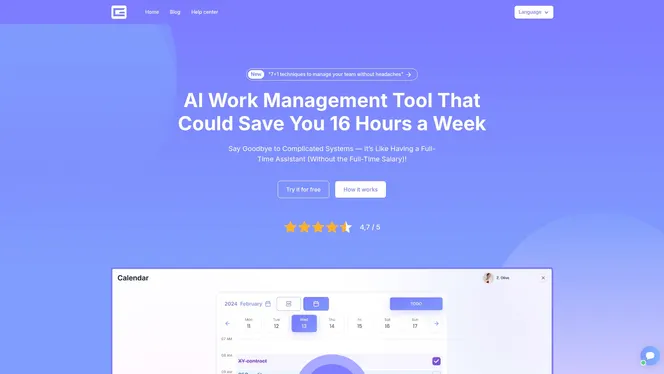
Unlock your team’s true potential today with Gammatica.com the AI-driven project and team management platform designed for exactly these challenges. With features like integrated online meetings via Zoom or Google Meet and intuitive checklist creation your team can turn every meeting into an engaging opportunity. Free up to 16 hours weekly while boosting motivation and alignment by adopting a system made to scale team collaboration effortlessly. Get started now and transform how your team connects and accomplishes goals at Gammatica.com. Explore how smart task management and automation can fuel your next energized meeting.
Frequently Asked Questions
How can I choose the best icebreaker questions for my team meetings?
To choose effective icebreaker questions, consider your team’s personality and comfort level. Select questions that are light-hearted, inclusive, and encourage storytelling, ensuring that everyone feels safe to participate.
What types of icebreaker questions promote team bonding?
Icebreaker questions that focus on personal interests, fun facts, or recent achievements are great for promoting team bonding. Use questions that allow for light-hearted responses and facilitate natural conversations among team members.
How can I implement rapid-fire questions in team meetings?
To implement rapid-fire questions, prepare a short list of engaging prompts and set a time limit for responses of about 3-5 seconds. This approach encourages quick thinking and keeps the energy high during meetings.
What are some examples of creative problem-solving scenarios I can use?
You can create scenarios based on hypothetical business challenges or ask your team to solve imaginary resource constraints. This encourages teamwork and showcases individual strengths while making the meeting more dynamic.
Why is it important to celebrate team wins in meetings?
Celebrating team wins during meetings boosts morale and reinforces positive behaviors. Encourage team members to share both big and small achievements to create a supportive atmosphere that promotes continuous improvement.
How often should I rotate the types of icebreaker questions used?
To keep team interactions fresh, rotate your icebreaker questions regularly, perhaps every few meetings. This prevents monotony and continuously engages team members in meaningful conversations.