Managing time effectively in academic and research projects often feels overwhelming when goals are unclear and progress tracking becomes scattered. Without a solid system for monitoring tasks you risk losing focus and dropping behind deadlines. The solution lies in combining smart goal setting frameworks with reliable tools and collaborative strategies tailored to your workflow.
This list reveals actionable ways to transform time tracking from a tedious chore into a powerful performance tool. You will discover practical techniques backed by proven methods such as the SMART goal methodology and consistent check-in practices that drive real project results. Get ready to unlock step-by-step tactics that help you stay on top of your research and turn every work session into meaningful progress.
Table of Contents
- 1. Define Clear Project Goals For Time Tracking
- 2. Choose The Right Time Tracking Tools
- 3. Set Up Consistent Check-In Intervals
- 4. Integrate Automation For Routine Tasks
- 5. Use Permission Controls For Data Accuracy
- 6. Monitor Progress With Visual Dashboards
- 7. Review And Optimize Checklist Regularly
1. Define Clear Project Goals for Time Tracking
Successful time tracking begins with establishing precise project goals that guide your team’s efforts and measure productivity. Understanding how to set strategic objectives transforms time tracking from a mundane administrative task into a powerful performance management tool.
When creating project goals for time tracking, it is essential to utilize frameworks like SMART goal methodology. SMART stands for:
- Specific: Clearly define what needs to be accomplished
- Measurable: Establish concrete criteria for measuring progress
- Achievable: Set realistic and attainable objectives
- Relevant: Align goals with broader project and organizational strategies
- Time-bound: Set specific deadlines and milestones
Effective goal setting transforms time tracking from a reactive to a proactive management approach.
Using SMART goal frameworks helps project managers create structured objectives that provide clarity and direction. By implementing these principles, teams can track time more intentionally and understand exactly how their efforts contribute to overall project success.
To apply this approach practically, start by identifying key project milestones and breaking them down into granular, trackable tasks. Each task should have a clear owner, estimated time investment, and specific deliverable. This approach enables more accurate time tracking and helps team members understand their individual contributions.
Pro tip: Create a visual goal tracking dashboard that maps project objectives, time allocations, and real-time progress to increase team transparency and motivation.
2. Choose the Right Time Tracking Tools
Selecting the perfect time tracking tool can transform how your team manages productivity and project efficiency. The right tool goes beyond simple clock punching and becomes a strategic asset for understanding workflow and optimizing performance.
When evaluating time tracking solutions, focus on these critical key selection criteria:
- Accuracy: Precise time measurement capabilities
- User Interface: Intuitive and easy to navigate design
- Integration: Compatibility with existing project management platforms
- Device Accessibility: Functional across mobile and desktop environments
- Reporting Features: Comprehensive analytics and visualization options
The most effective time tracking tools seamlessly blend into your team’s existing workflow.
Selecting the right time tracking software requires a strategic approach that considers your specific team needs. For academic researchers and project managers, the tool should not just record time but provide insights into productivity patterns.
Look for tools that offer:
- Automatic time logging
- Customizable project categorization
- Real-time tracking capabilities
- Detailed performance analytics
- Collaboration and sharing features
Researchers can particularly benefit from time tracking platforms supporting collaborative research productivity by tracking time across different project phases and research activities.
Pro tip: Always request a free trial of time tracking tools and involve your team in the selection process to ensure maximum adoption and effectiveness.
3. Set Up Consistent Check-In Intervals
Time tracking success hinges on establishing a reliable rhythm of progress monitoring and accountability. Consistent check-in intervals transform sporadic time logging into a strategic system of team performance management.
Implementing structured check-in processes involves several key strategies:
- Define clear check-in frequencies
- Create standardized reporting templates
- Set automatic reminder notifications
- Establish uniform tracking expectations
- Design accountability mechanisms
Regular check-ins convert time tracking from an administrative task into a powerful team alignment tool.
Consistent progress review intervals are crucial for maintaining project momentum and preventing productivity drift. Academic researchers and project managers can benefit significantly from implementing systematic update schedules.
Consider these practical implementation steps:
- Determine optimal check-in frequency (daily, weekly, bi-weekly)
- Select appropriate tracking tools with notification features
- Communicate expectations clearly to all team members
- Create template reports for standardized information capture
- Review and adjust intervals based on team feedback
Microsoft’s goal-tracking recommendations emphasize the importance of timely updates and preventing data inaccuracies through consistent monitoring.
Pro tip: Experiment with different check-in intervals and use team feedback to create a flexible yet structured time tracking approach that feels natural rather than intrusive.
4. Integrate Automation for Routine Tasks
Automation transforms time tracking from a manual chore into a streamlined strategic process. By leveraging technology to handle repetitive tasks you can dramatically increase productivity and reduce administrative overhead.
Key areas for automation include:
- Time entry logging
- Reporting generation
- Task categorization
- Reminder notifications
- Performance tracking
Automation turns time tracking from a burdensome task into an intelligent productivity tool.
Robotic Process Automation (RPA) offers powerful opportunities to eliminate mundane administrative work. This technology allows teams to redirect energy from repetitive tasks toward high-value strategic activities.
Implement automation through these strategic steps:
- Identify repetitive time tracking tasks
- Select appropriate automation tools
- Configure automatic logging mechanisms
- Set up smart notification systems
- Regularly review and refine automated processes
By integrating intelligent automation strategies, project managers can create more efficient workflows that minimize manual data entry and maximize team productivity. Automated systems reduce human error and provide consistent tracking across complex projects.
Pro tip: Start small by automating one or two routine tasks and gradually expand your automation strategy as your team becomes comfortable with the new processes.
5. Use Permission Controls for Data Accuracy
Effective time tracking relies on maintaining precise and trustworthy data through strategic access management. Permission controls serve as the critical gatekeepers that protect the integrity of your team’s time reporting system.
Key permission control strategies include:
- Establish hierarchical user roles
- Limit editing capabilities
- Create view-only access levels
- Implement audit trail tracking
- Define granular access permissions
Permission controls transform time tracking from an open system to a secure accountability mechanism.
Time tracking permission policies are essential for preventing data manipulation and ensuring reporting reliability. By implementing robust access management strategies you create a transparent and accountable tracking environment.
Implement permission controls through these critical steps:
- Define clear organizational roles
- Map access levels to job responsibilities
- Configure system-wide permission settings
- Enable comprehensive audit logging
- Regularly review and update access rights
Audit logs and permission controls provide an additional layer of transparency by tracking who modified time entries and when changes occurred. This approach minimizes potential errors and creates a verifiable record of all system interactions.
Pro tip: Conduct periodic permission audits to ensure your access controls remain aligned with current team structures and organizational needs.
6. Monitor Progress with Visual Dashboards
Visual dashboards transform complex time tracking data into intuitive graphical representations that unlock immediate insights into team performance. These powerful tools convert raw numbers into actionable intelligence that drives strategic decision making.
Key dashboard visualization features include:
- Real-time progress tracking
- Performance metric comparisons
- Customizable data visualization
- Interactive graphical elements
- Trend analysis capabilities
A well-designed dashboard turns data into a strategic storytelling tool.
Learning analytics dashboards provide dynamic visual representations that enable rapid understanding of complex performance metrics. By presenting information through graphs and charts teams can quickly interpret their productivity landscape.
Implement visual dashboards through these strategic steps:
- Select dashboard tools with robust visualization options
- Configure metrics most relevant to your project
- Customize color coding and visual hierarchies
- Enable real-time data synchronization
- Schedule periodic dashboard review sessions
Effective dashboard design focuses on presenting complex information through clear visual elements that communicate insights at a glance. This approach transforms raw data into meaningful performance narratives.
Pro tip: Design your dashboard with the end user in mind focusing on clarity and removing unnecessary complexity to ensure maximum comprehension.
7. Review and Optimize Checklist Regularly
Time tracking checklists are living documents that require consistent refinement to remain effective and aligned with evolving project dynamics. Regular optimization ensures your tracking system stays relevant and continues to drive team productivity.
Key optimization strategies include:
- Assess current checklist effectiveness
- Gather team feedback regularly
- Remove redundant tracking steps
- Update metrics and goals
- Streamline reporting processes
Continuous improvement transforms time tracking from a static process to a dynamic performance tool.
Periodic assessment of project management tools helps teams maintain alignment with changing research goals and workload requirements. By treating your checklist as an adaptable framework you can ensure sustained productivity across project phases.
Implement regular checklist review through these strategic steps:
- Schedule quarterly comprehensive review sessions
- Collect anonymous team feedback
- Analyze performance metrics
- Identify bottleneck areas
- Implement targeted improvements
Effective optimization requires a systematic approach that balances consistency with flexibility. Teams should view their time tracking checklist as a collaborative improvement opportunity rather than a rigid set of rules.
Pro tip: Create a dedicated feedback channel where team members can suggest checklist improvements in real-time to foster continuous optimization.
Below is a comprehensive table summarizing the strategies and insights discussed in the article regarding effective time tracking for projects.
| Aspect | Description | Implementation Tips |
|---|---|---|
| Define Clear Project Goals | Establish specific, measurable, achievable, relevant, and time-bound (SMART) goals for enhanced team productivity. | Use frameworks like SMART to break goals into tasks with clear outcomes. |
| Choose Appropriate Tools | Select time tracking tools that align with team needs, including accuracy, interface, and reporting features. | Test tools through demos or trials to ensure usability and compatibility. |
| Establish Consistent Check-Ins | Create regular review intervals for time tracking data to manage progress effectively. | Define clear frequencies and use standardized templates for progress updates. |
| Automate Routine Processes | Implement automation for repetitive time tracking tasks to improve efficiency and reduced manual errors. | Start with simple automation features like time entry logging and notifications. |
| Employ Permission Controls | Use access management settings to protect the integrity of time tracking data. | Assign hierarchical roles and monitor data changes through audit logging. |
| Utilize Visual Dashboards | Display aggregated time tracking data through interactive and customizable dashboards for better insights. | Configure charts to focus on relevant metrics and ensure clarity of presentation. |
| Regularly Optimize Processes | Continuously review and refine time tracking systems for alignment with evolving project needs. | Gather feedback and analyze metrics regularly to implement targeted improvements. |
This summary table encapsulates key aspects and actionable measures that can enhance the effectiveness of time tracking in a project setting.
Streamline Your Time Tracking Process with Gammatica
The challenges of maintaining an effective time tracking checklist are clear from the article. Project managers and teams struggle with setting clear goals, ensuring data accuracy, automating repetitive tasks, and monitoring progress consistently. These pain points can lead to wasted time, misaligned priorities, and incomplete reporting that hinders productivity.
Gammatica.com addresses these exact challenges with its AI-driven platform designed to transform time tracking and project management into a seamless, efficient experience. From powerful automation features that reduce manual entry and free up your team’s time to permission controls that safeguard data accuracy, Gammatica empowers you to stay organized and focused on strategic goals. Its intuitive interface supports checklist creation, real-time progress dashboards, and integrated collaboration tools, making it easier than ever to stay on track and optimize your workflows.
Discover how Gammatica can help you save hours every week and turn time tracking into a game-changing productivity tool.
Improve your time tracking today with Gammatica’s powerful project management platform.
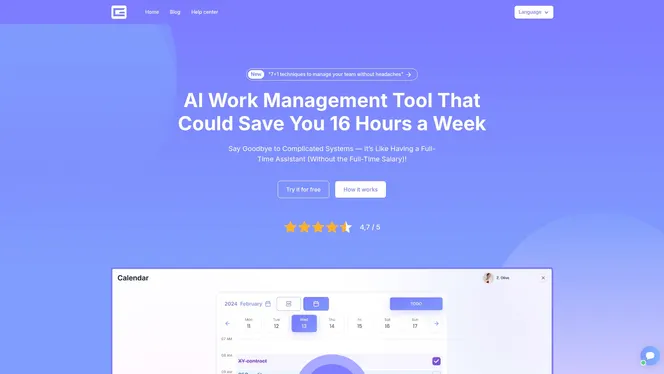
Experience the difference that AI-driven automation, clear permissions, and real-time dashboards can make for your team. Visit Gammatica.com now to start your free trial and take the first step toward effortless and effective time tracking.
Frequently Asked Questions
How can I define clear project goals for my time tracking checklist?
To define clear project goals for your time tracking checklist, use the SMART goal methodology. This involves setting Specific, Measurable, Achievable, Relevant, and Time-bound goals, which you can implement by breaking down key project milestones into trackable tasks with assigned owners.
What tools can help me choose the right time tracking solution?
Start by identifying critical selection criteria like accuracy, user interface, integration, device accessibility, and reporting features. Create a checklist of these criteria to evaluate various time tracking tools systematically, ensuring you find the one that fits your team’s workflow best.
How often should I set up check-in intervals in my time tracking process?
Establish regular check-in intervals, such as daily or weekly, to ensure consistent progress monitoring. By defining a clear frequency and routine for these check-ins, you can enhance accountability and maintain team alignment throughout the project.
What are some effective automation strategies for my time tracking checklist?
Automation can simplify your time tracking by handling routine tasks like time entry logging and reporting generation. Identify repetitive tasks for automation and gradually implement tools that can automate these processes, possibly reducing manual effort by up to 50%.
How can I ensure the accuracy of data in time tracking?
Implement permission controls to manage access to your time tracking system effectively. By establishing user roles, limiting editing capabilities, and creating view-only access levels, you can maintain data integrity and produce reliable reports.
How often should I review and optimize my time tracking checklist?
Conduct quarterly reviews of your time tracking checklist to ensure it remains relevant and effective. Collect feedback from your team during these sessions to identify areas for improvement and make necessary adjustments to enhance overall productivity.