More than 80 percent of american companies are already exploring artificial intelligence to streamline project management. As AI tools become more powerful and accessible, the promise of smarter planning, faster decision making, and predictive insights is changing how teams operate every day. With so many emerging options, understanding what sets modern project management AI apart will empower leaders to turn data into true strategic advantage.
Table of Contents
- Defining AI in Project Management Today
- Core Benefits of AI Integration
- Key Types of AI-Driven Project Tools
- Real-World Use Cases Across Industries
- Risks, Myths, and Implementation Challenges
Defining AI in Project Management Today
Artificial intelligence is rapidly transforming project management from a traditional task-tracking approach into a sophisticated, predictive strategic framework. Project management AI represents a quantum leap in how teams plan, execute, and optimize work across complex organizational landscapes. By integrating advanced technologies like machine learning and natural language processing, AI enables unprecedented levels of operational intelligence and strategic foresight.
Modern AI project management tools leverage sophisticated algorithms to automate routine tasks, dramatically reducing administrative overhead. These intelligent systems can analyze historical project data, predict potential bottlenecks, recommend resource allocations, and generate real-time insights that human managers might easily overlook. The core capabilities include:
- Intelligent task prioritization
- Automated scheduling and resource optimization
- Predictive risk assessment
- Natural language processing for communication analysis
- Real-time performance tracking
The technological revolution in project management goes beyond simple automation. Intelligent systems now offer nuanced decision support by processing vast amounts of data with speed and accuracy impossible for human teams. AI can identify subtle patterns in project workflows, anticipate potential challenges before they emerge, and suggest proactive strategies for mitigation. By transforming raw data into actionable intelligence, these tools empower project managers to make more informed, strategic decisions with greater confidence and precision.

Core Benefits of AI Integration
AI integration in project management offers transformative advantages that extend far beyond traditional operational capabilities. Data-driven decision-making becomes exponentially more powerful when intelligent systems can process complex information at unprecedented speeds, enabling project managers to make more strategic and accurate choices.
The key benefits of AI integration include:
- Predictive Analytics: Forecasting project risks and potential challenges
- Resource Optimization: Intelligent allocation of team members and budget
- Automated Workflow Management: Reducing administrative overhead
- Real-time Performance Tracking: Continuous monitoring of project health
- Intelligent Risk Mitigation: Proactively identifying and addressing potential roadblocks
Precision planning represents one of the most significant advantages of AI implementation. Advanced AI techniques can dramatically improve effort estimation and resource allocation, allowing teams to create more accurate project timelines and budgets. By analyzing historical data, machine learning algorithms can detect patterns and provide nuanced insights that human planners might overlook, ultimately reducing project failures and improving overall organizational efficiency.
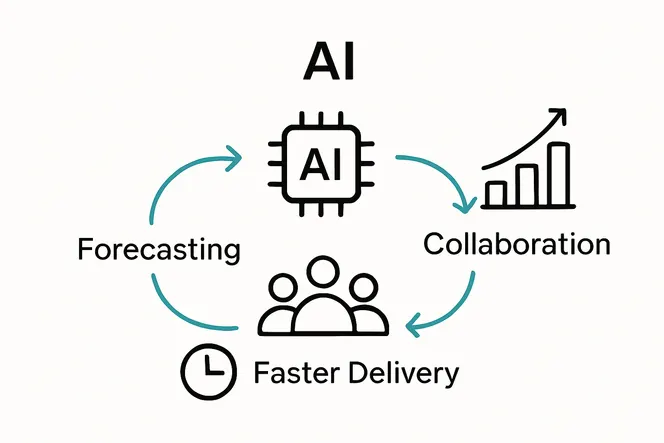
Moreover, AI integration empowers project managers to shift from reactive management to proactive strategy. Intelligent systems can continuously learn from project data, generating increasingly sophisticated recommendations and insights. This dynamic approach transforms project management from a purely administrative function into a strategic, intelligence-driven discipline that can adapt rapidly to changing organizational needs and market conditions.
Key Types of AI-Driven Project Tools
AI-driven project management tools have emerged as game-changing solutions that transform how teams plan, execute, and track complex projects. These intelligent platforms leverage advanced technologies to provide unprecedented insights, automation, and strategic capabilities that go far beyond traditional project management software.
The primary categories of AI-powered project management tools include:
- Predictive Planning Tools: Utilize machine learning to forecast project timelines and potential risks
- Natural Language Processing Tools: Enable project creation through conversational interfaces and intelligent task generation
- Resource Allocation Platforms: Optimize team assignments and workload distribution
- Intelligent Reporting Systems: Generate dynamic, insights-driven performance reports
- Workflow Automation Solutions: Streamline repetitive tasks and administrative processes
Advanced intelligent project management platforms distinguish themselves by offering dynamic, adaptive capabilities. These tools can analyze historical project data, identify complex patterns, and generate nuanced recommendations that human managers might overlook. By continuously learning from past project performances, these AI systems create increasingly sophisticated predictive models that help teams anticipate challenges, optimize resources, and make data-driven strategic decisions.
The evolution of AI-driven project tools represents a fundamental shift from static, reactive management approaches to proactive, intelligence-augmented workflows. Modern platforms integrate multiple AI technologies like natural language processing, machine learning, and predictive analytics to create comprehensive ecosystems that support every stage of project lifecycle. These intelligent tools are not just software solutions but strategic partners that empower project managers to navigate increasingly complex organizational landscapes with unprecedented precision and insight.
Real-World Use Cases Across Industries
AI project management tools have demonstrated remarkable versatility across diverse sectors, transforming traditional workflows and delivering unprecedented strategic advantages. From technology startups to complex scientific research environments, these intelligent systems are revolutionizing how organizations approach project planning, execution, and optimization.
Industry-specific applications showcase the profound impact of AI project management:
- Technology Sector: Accelerating software development cycles
- Healthcare: Streamlining complex research and clinical project coordination
- Manufacturing: Optimizing production schedules and resource allocation
- Academic Research: Enhancing team diversity and collaboration dynamics
- Construction: Predicting potential project risks and budget overruns
Cognitive capacity enhancement represents a critical breakthrough in project management technologies. Advanced AI systems now provide nuanced insights that extend beyond traditional data analysis, enabling project managers to make more sophisticated decisions by processing complex information streams. In academic research environments, for instance, AI can intelligently recommend team compositions, identify potential collaboration gaps, and suggest optimal resource distributions that human planners might overlook.
The transformative potential of AI in project management transcends mere automation. These intelligent systems are becoming strategic partners that adapt, learn, and provide contextually rich recommendations across different organizational contexts. By combining predictive analytics, machine learning algorithms, and natural language processing, AI project management tools are fundamentally reshaping how teams conceptualize, plan, and execute complex initiatives across multiple industries.
Risks, Myths, and Implementation Challenges
While AI project management tools offer transformative potential, organizations must navigate a complex landscape of challenges and misconceptions. The journey toward successful AI integration requires a nuanced understanding of potential pitfalls and strategic approach to implementation.
Common myths and implementation challenges include:
- Job Displacement Fears: Misconceptions about AI replacing human workers
- Data Privacy Concerns: Risks associated with sensitive information management
- High Initial Investment: Substantial technological and training costs
- Complex Integration: Technical difficulties merging AI with existing systems
- Algorithmic Bias: Potential for unintended discriminatory decision-making
Effective AI project management requires carefully addressing critical implementation constraints, particularly around workforce training and technological infrastructure. Organizations must invest significantly in human capital development, ensuring teams possess the skills necessary to leverage AI technologies effectively. The PMBOK Guide framework demonstrates that traditional project management methodologies need substantial adaptation for AI-driven environments, highlighting the need for flexible, innovative approaches.
Most critically, successful AI integration is not about replacing human intelligence but augmenting it. Project managers must approach AI as a sophisticated collaborative tool, understanding its limitations while leveraging its remarkable predictive and analytical capabilities. This requires a cultural shift toward continuous learning, technological adaptability, and a willingness to reimagine traditional workflow structures. By maintaining a balanced perspective that acknowledges both the transformative potential and inherent challenges of AI, organizations can develop more resilient, intelligent project management ecosystems.
Unlock Smarter Project Management with AI-Driven Tools
The article highlights the challenge of navigating complex project workflows while managing risks, resources, and communication effectively. If you are struggling with administrative overload, unpredictable project bottlenecks, or the need for precise planning and real-time insights, embracing AI solutions can be a game changer. Concepts like predictive analytics, automated workflow management, and resource optimization are no longer just ideas but essential capabilities for staying competitive and reducing stress.
Experience the power of AI in streamlining your team’s daily tasks and strategic planning through Gammatica.com. Our platform offers intelligent task management, calendar coordination, and automation features that directly address pain points such as reducing administrative burdens and enabling proactive decision-making. With integrations for online meetings like Zoom and Google Meet plus powerful workflow tools including Kanban boards and checklists, Gammatica.com ensures your projects run smoothly and efficiently.
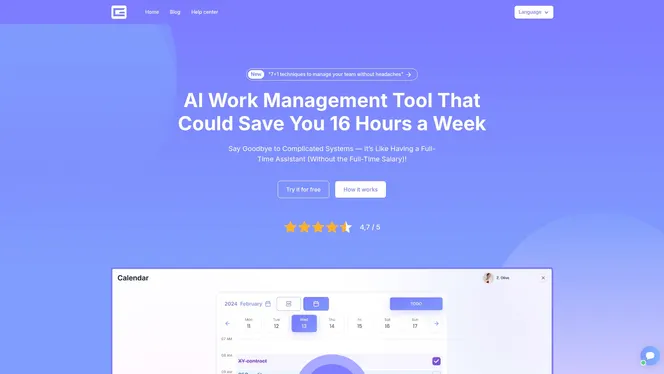
Take control of your project success now by exploring how AI can transform your management style. Visit Gammatica.com to discover how our SaaS-based platform frees up to 16 hours weekly with smart automation and AI suggestions. Don’t just manage projects, lead them with confidence and clarity starting today.
Frequently Asked Questions
What are the primary benefits of using AI in project management?
AI in project management offers benefits such as predictive analytics for forecasting risks, resource optimization for better allocation of team members and budgets, automated workflow management to reduce administrative overhead, and real-time performance tracking to ensure continuous monitoring of project health.
How does AI enhance decision-making in project management?
AI enhances decision-making by processing large sets of historical data to identify patterns, predict potential challenges before they arise, and provide nuanced, data-driven insights that enable project managers to make informed strategic choices.
What types of AI tools are available for project management?
AI-powered project management tools include predictive planning tools, natural language processing tools for communication, resource allocation platforms, intelligent reporting systems, and workflow automation solutions that streamline repetitive tasks.
What challenges might organizations face when implementing AI in project management?
Organizations might encounter challenges such as job displacement fears, data privacy concerns, high initial investment costs, complex integration with existing systems, and the risk of algorithmic bias, which could lead to unintended discriminatory decision-making.