Over 80 percent of american companies now rely on digital tools to manage projects from start to finish. As complex projects become the norm, getting the right information at the right time turns into a top priority for project managers and teams. Understanding the concepts behind a Project Management Information System reveals how these systems streamline workflows, eliminate guesswork, and provide smart solutions for challenges faced in today’s demanding environments.
Table of Contents
- Defining PMIS and Its Core Concepts
- Types of PMIS and Key Differences
- Essential Features and Functionalities
- Benefits of Implementing a PMIS Solution
- Selecting and Integrating a PMIS for Teams
Defining PMIS and Its Core Concepts
A Project Management Information System (PMIS) represents a sophisticated technological framework designed to support project managers throughout their entire project lifecycle. According to pmstudycircle, a PMIS is a comprehensive system of tools and techniques used to gather, integrate, and disseminate critical project information, enabling managers to plan, execute, and successfully close complex projects.
At its core, a PMIS serves multiple strategic functions that transform how organizations manage their project portfolios. Key capabilities include:
- Budget creation and tracking
- Cost estimation and management
- Detailed project scheduling
- Scope baseline establishment
- Performance monitoring and reporting
- Resource allocation tracking
The primary objective of a PMIS is to centralize project-related data and provide project managers with a holistic, real-time view of their initiatives. As Indeed explains, these systems assist professionals in developing comprehensive project strategies by offering integrated tools that streamline planning, execution, and closure processes. By consolidating information from various sources, a PMIS eliminates data silos and reduces the administrative burden of manually tracking project metrics.

Moreover, modern PMIS solutions leverage advanced technologies like artificial intelligence and machine learning to provide predictive analytics and actionable insights. These intelligent systems can forecast potential project risks, recommend optimization strategies, and help teams make data-driven decisions. The evolution of PMIS from simple tracking tools to comprehensive management platforms represents a significant leap in how organizations approach project management, transforming it from a reactive to a proactive discipline.
Types of PMIS and Key Differences
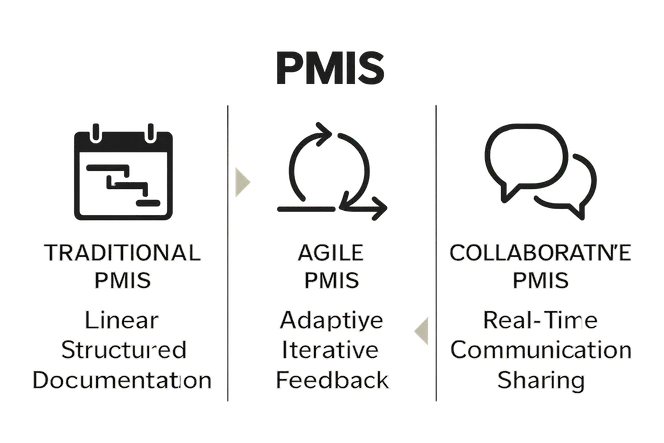
Project Management Information Systems (PMIS) are not one-size-fits-all solutions, but rather diverse tools tailored to specific organizational needs and project management approaches. According to Bakkah, PMIS can be strategically categorized into three primary types: Traditional PMIS, Agile PMIS, and Collaborative PMIS.
Traditional PMIS are characterized by structured, linear methodologies like Waterfall, featuring robust tools such as:
- Gantt charts
- Critical path analysis
- Comprehensive documentation tracking
- Detailed project planning templates
- Rigid milestone tracking
In contrast, Agile PMIS are designed for dynamic, iterative project environments. These systems support adaptive planning and flexible development cycles through features like user story management, sprint planning, and continuous feedback mechanisms. They excel in software development, product design, and industries requiring rapid adaptation and frequent iterations.
Collaborative PMIS prioritize communication and stakeholder engagement, offering advanced tools that facilitate seamless interaction. As Bakkah highlights, these systems provide real-time messaging, comprehensive file sharing capabilities, and integrated communication channels that break down traditional organizational silos. By emphasizing transparency and collective problem-solving, collaborative PMIS transform how teams interact, share knowledge, and drive project success across distributed and remote work environments.
Essential Features and Functionalities
A comprehensive Project Management Information System (PMIS) goes far beyond simple project tracking, offering a robust suite of tools designed to streamline complex organizational workflows. According to Cube, these systems provide a centralized data repository that ensures consistent information access across all project stakeholders, creating a single source of truth for critical project details.
Key functionalities of an advanced PMIS typically include:
- Integrated scheduling and task management
- Comprehensive cost control mechanisms
- Document and contract management
- Real-time performance tracking
- Risk and issue identification tools
- Collaborative communication platforms
- Advanced reporting and analytics capabilities
As pmstudycircle explains, a sophisticated PMIS supports multiple project management processes by providing comprehensive tools for team formation, task assignment, plan implementation, and performance forecasting. These systems enable organizations to move beyond reactive management, offering predictive insights that help teams anticipate challenges, allocate resources more effectively, and maintain tight control over project timelines and budgets.
Moreover, modern PMIS solutions integrate advanced technologies like artificial intelligence and machine learning to enhance decision-making capabilities. These intelligent systems can automatically generate performance reports, predict potential bottlenecks, recommend resource optimizations, and provide data-driven insights that transform how organizations approach project management. By combining real-time data tracking, collaborative tools, and predictive analytics, a robust PMIS becomes more than just a management system—it becomes a strategic partner in driving organizational success.
Benefits of Implementing a PMIS Solution
Implementing a Project Management Information System (PMIS) represents a transformative strategy for organizations seeking to optimize their project management capabilities. According to Project Management Institute, a PMIS offers an integrated approach for managing and distributing project information, ensuring that project professionals can effectively share knowledge and data across the organization.
The key benefits of a comprehensive PMIS solution include:
- Enhanced communication and collaboration
- Centralized project data management
- Improved decision-making through real-time insights
- Reduced administrative overhead
- More accurate project tracking and reporting
- Streamlined resource allocation
- Better risk management and mitigation
By creating a single source of truth, PMIS solutions dramatically improve organizational transparency and accountability. Project teams can access consistent, up-to-date information, eliminating communication gaps and reducing the potential for misunderstandings. This integrated approach enables faster problem resolution, more precise forecasting, and ultimately, more successful project outcomes.
Moreover, modern PMIS platforms leverage advanced technologies like artificial intelligence and machine learning to provide predictive analytics and intelligent recommendations. These systems go beyond traditional tracking, offering strategic insights that help organizations optimize their project portfolios, allocate resources more efficiently, and make data-driven decisions. By transforming raw project data into actionable intelligence, a robust PMIS becomes an essential strategic tool for businesses looking to stay competitive in an increasingly complex and dynamic project management landscape.
Selecting and Integrating a PMIS for Teams
Selecting the right Project Management Information System (PMIS) is a critical strategic decision that requires careful evaluation of an organization’s unique project management needs. According to Project Management Institute, this process involves understanding the specific requirements of the organization and the types of projects typically undertaken, ensuring that the chosen system aligns perfectly with existing project management practices.
Key considerations when selecting a PMIS include:
- Compatibility with existing organizational workflows
- Scalability and flexibility
- User-friendly interface
- Integration capabilities with other tools
- Comprehensive reporting features
- Cost-effectiveness
- Security and data protection mechanisms
- Customization options
As pmstudycircle explains, successful PMIS integration encompasses a comprehensive approach that goes beyond mere software implementation. This includes forming project teams, assigning specific tasks, implementing strategic plans, forecasting performance, tracking progress, managing risks, and documenting critical lessons learned throughout the project lifecycle.
The integration process requires a methodical approach that involves stakeholder training, phased implementation, and continuous feedback loops. Organizations must invest time in understanding their team’s unique workflows, conducting thorough system trials, and creating a robust change management strategy. By treating PMIS integration as a strategic transformation rather than a simple software upgrade, teams can unlock unprecedented levels of collaboration, efficiency, and project intelligence that drive meaningful organizational success.
Transform Your Project Management with Gammatica
The article highlights key challenges project managers face when dealing with fragmented data, manual tracking, and limited collaboration. These common pain points slow progress and cloud critical decisions. If you want to eliminate information silos and gain real-time insights like those described in PMIS frameworks, a powerful unified solution is crucial. Gammatica.com offers an AI-driven platform that brings all your project management needs into one place. From task management and calendar coordination to team collaboration and automation, Gammatica reduces administrative tasks so you can reclaim up to 16 hours weekly.
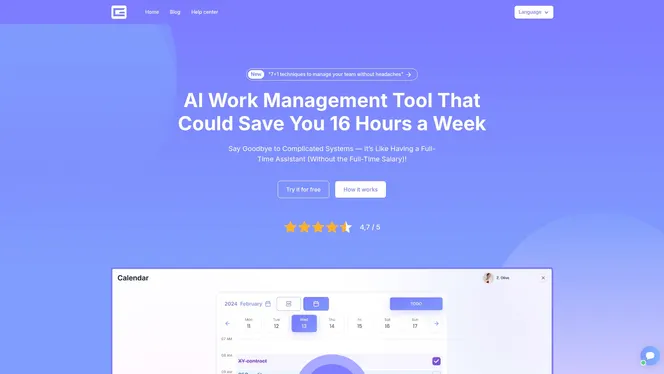
Take control of your projects today by choosing an intelligent system designed for streamlined workflows, predictive insights, and enhanced communication. Visit Gammatica.com to explore how our AI-powered tools can help you implement the strategic planning, risk management, and performance tracking discussed in the article. Get started now and experience how seamless integration and automation propel your teams to new levels of productivity and success.
Frequently Asked Questions
What is a Project Management Information System (PMIS)?
A Project Management Information System (PMIS) is a technological framework used by project managers to gather, integrate, and disseminate critical project information, supporting them throughout the project lifecycle.
What are the key features of a PMIS?
Key features of a PMIS include integrated scheduling and task management, comprehensive cost control mechanisms, real-time performance tracking, risk and issue identification tools, and collaborative communication platforms.
What are the different types of PMIS?
The primary types of PMIS include Traditional PMIS, which use structured methodologies; Agile PMIS, designed for dynamic and iterative environments; and Collaborative PMIS, which emphasize communication and stakeholder engagement.
What are the benefits of implementing a PMIS?
Implementing a PMIS enhances communication and collaboration, centralizes project data management, improves decision-making through real-time insights, reduces administrative overhead, and streamlines resource allocation.