Most American businesses struggle to identify which numbers truly measure their progress. With more than 80 percent of organizations using some form of Key Performance Indicators, separating crucial data from noise becomes essential for winning in competitive markets. Understanding the right performance metrics is not just about tracking, but about steering your business toward clear results and ongoing growth.
Table of Contents
- Defining Sample KPI For Business Success
- Major Types Of Key Performance Indicators
- How KPIs Work In Team Management
- Real-World Examples Of Effective KPIs
- Common Pitfalls And How To Avoid Them
Defining Sample KPI for Business Success
Key Performance Indicators (KPIs) represent the strategic compass that guides organizations toward measurable success. These quantifiable business metrics help corporate leaders track progress and make data-driven decisions across various operational domains.
At their core, KPIs are precise measurements that translate complex organizational objectives into clear, actionable insights. Measurable values demonstrating how effectively a team or organization achieves business goals enable leadership to understand current performance trajectories and identify potential improvement areas. Think of KPIs like a navigation system for your business strategy—providing real-time feedback about whether you’re on the right path.
Effective KPI development requires understanding several critical components:
- Specificity: KPIs must directly connect to strategic objectives
- Measurability: Quantifiable metrics that can be tracked systematically
- Actionability: Indicators that prompt meaningful organizational responses
- Time-Bound: Clear timeframes for measurement and evaluation
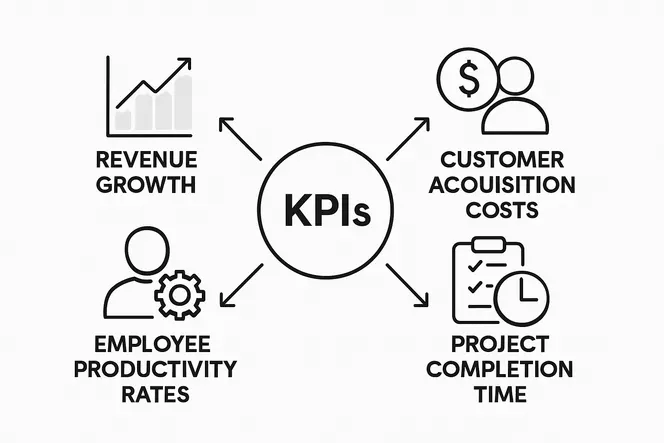
Sample KPIs might include revenue growth percentage, customer acquisition costs, employee productivity rates, or project completion timelines. The key is selecting indicators that genuinely reflect your organization’s most important performance dimensions and provide genuine insight into operational effectiveness.
Major Types of Key Performance Indicators
Key Performance Indicators (KPIs) are not one-size-fits-all metrics but instead represent a diverse ecosystem of measurement tools. KPIs can be systematically categorized into multiple distinct types, each offering unique insights into organizational performance and strategic progress.
Quantitative KPIs focus on numerical measurements that provide concrete, data-driven perspectives. These indicators include metrics like revenue growth, customer acquisition costs, and productivity rates. In contrast, qualitative KPIs offer descriptive insights that capture more nuanced aspects of performance, such as customer satisfaction levels or employee engagement scores.
Another critical classification of KPIs involves their temporal orientation:
- Leading KPIs: Predictive indicators that signal potential future performance
- Lagging KPIs: Reflective metrics that evaluate past performance and outcomes
- Input KPIs: Measure resources invested in processes
- Output KPIs: Assess results and achievements produced
Different organizational domains require unique KPI approaches, ranging from process efficiency metrics in manufacturing to customer experience indicators in service industries. The strategic selection of appropriate KPI types enables businesses to create a comprehensive performance monitoring framework that captures both quantitative achievements and qualitative nuances of organizational success.

How KPIs Work in Team Management
KPIs serve as critical alignment mechanisms that synchronize individual efforts with overarching organizational objectives. By establishing clear, measurable targets, teams can transform abstract goals into concrete, actionable strategies that drive meaningful performance improvements.
The power of KPIs lies in their ability to create transparency and accountability across different organizational levels. Performance tracking becomes more than just number crunching—it’s a collaborative process that empowers team members to understand their specific contributions to broader business goals. By setting and tracking specific metrics, teams can monitor progress, identify improvement areas, and make data-driven decisions that propel organizational success.
Effective KPI implementation in team management typically involves several key strategies:
- Clear Goal Setting: Defining precise, measurable objectives
- Regular Monitoring: Consistently tracking performance against established benchmarks
- Transparent Reporting: Sharing progress openly across team members
- Adaptive Approach: Adjusting strategies based on KPI insights
Successful team management through KPIs requires a balanced approach that combines quantitative measurement with qualitative understanding. The goal is not just to collect data, but to create a dynamic performance ecosystem where teams feel motivated, informed, and empowered to continuously improve their collective capabilities.
Real-World Examples of Effective KPIs
Leading companies demonstrate the transformative power of strategically implemented Key Performance Indicators across various industries, showcasing how precise measurement can drive organizational success and innovation. These real-world examples illustrate how different organizations leverage KPIs to track, improve, and optimize their performance.
In the technology sector, companies like Amazon and Tesla have developed unique KPI approaches that directly align with their strategic objectives. Amazon prioritizes customer satisfaction metrics, tracking indicators like response time, delivery speed, and customer feedback scores. Tesla focuses intensely on production efficiency, measuring metrics such as manufacturing time per vehicle, quality control pass rates, and technological innovation benchmarks.
Cross-industry KPI examples highlight the versatility of performance measurement:
- Sales Department: Total monthly revenue, conversion rates, average deal size
- Customer Service: Response time, resolution rate, customer satisfaction scores
- Human Resources: Employee retention rates, hiring speed, training effectiveness
- Marketing: Lead generation volume, campaign ROI, customer acquisition cost
The art of developing effective KPIs lies not just in measurement, but in selecting indicators that genuinely reflect organizational goals. Successful companies understand that KPIs are dynamic tools—requiring continuous refinement and alignment with evolving business strategies. The most impactful KPIs tell a story, transforming raw data into actionable insights that drive meaningful performance improvements.
Common Pitfalls and How to Avoid Them
Organizations frequently encounter significant challenges when implementing Key Performance Indicators that can derail their strategic measurement efforts. Understanding these potential obstacles is crucial for developing a robust and effective KPI framework that drives meaningful organizational performance.
Metric Overload represents one of the most common KPI implementation mistakes. Many organizations fall into the trap of tracking too many indicators, which creates complexity and dilutes focus. Successful KPI strategies require carefully selecting actionable metrics that provide clear insights into organizational performance. The key is to prioritize quality over quantity, ensuring each selected KPI directly connects to strategic objectives.
Critical pitfalls to watch for include:
- Vague Metrics: KPIs that lack specific, measurable outcomes
- Misalignment: Indicators not directly linked to organizational goals
- Infrequent Review: Failing to regularly reassess and update KPIs
- Poor Communication: Not sharing KPI insights across the organization
The most effective approach involves adopting the SMART framework: Specific, Measurable, Achievable, Relevant, and Time-bound. This strategy transforms KPIs from abstract numbers into powerful tools for strategic decision-making, ensuring that every metric serves a clear purpose in driving organizational success. By maintaining a critical eye and commitment to continuous improvement, teams can turn potential pitfalls into opportunities for enhanced performance and growth.
Drive Team Success with Smart KPI Management and AI-Powered Tools
The challenge highlighted in the article shows how crucial it is to select specific, measurable, and actionable KPIs that truly align with your team’s goals. Many organizations struggle with vague metrics and overloaded data that hinder transparent progress tracking and team alignment. If you want to transform your KPIs from just numbers into powerful performance drivers, you need a solution that makes monitoring and managing these indicators seamless and intuitive.
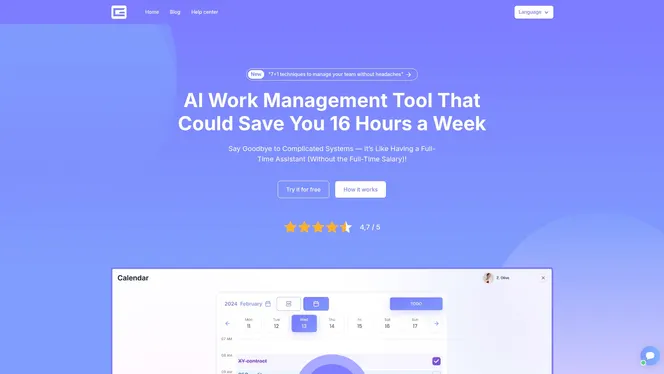
At Gammatica.com, we understand how difficult it is to maintain clarity and accountability across diverse teams while juggling complex workflows. Our SaaS platform uses AI-driven automation and customizable templates to help you stay focused on the KPIs that matter most. Featuring integrated task management, CRM, and calendar coordination, Gammatica empowers you to streamline your operations and save up to 16 hours each week. With tools like Kanban boards and team collaboration features, tracking progress against your leading and lagging indicators becomes effortless.
Stop letting KPI confusion slow your team’s growth. Explore how Gammatica can help you define clear goals, monitor real-time progress, and make data-driven decisions that elevate your team’s performance. Take control of your workflow and experience organized, scalable management today by visiting Gammatica.com. Start aligning your KPIs with success now.
Frequently Asked Questions
What are Key Performance Indicators (KPIs)?
KPIs are measurable metrics that help organizations track their progress towards specific business objectives, guiding data-driven decisions.
How can KPIs improve team management?
KPIs create alignment between individual efforts and organizational goals, fostering accountability and encouraging data-driven performance improvements.
What are common types of KPIs?
Common types of KPIs include quantitative KPIs (e.g., revenue growth), qualitative KPIs (e.g., customer satisfaction), leading KPIs (predictive), and lagging KPIs (reflective).
How do I choose the right KPIs for my organization?
Select KPIs that are specific, measurable, actionable, and time-bound, ensuring they directly connect to your organization’s strategic goals.