TL;DR:
- Choosing the right project plan template depends on methodology, scale, collaboration needs, and industry.
- Cloud-based, real-time templates generally outperform static files for team collaboration and adaptability.
- Flexibility and team adoption matter more than adding complex features in a template.
Picking the right project plan template sounds simple until you’re staring at dozens of options, each promising to be the perfect fit. Project managers and business leaders face a real challenge here: the wrong template can quietly derail team collaboration, create confusion around ownership, or push delivery timelines off course. The stakes are higher than most people realize. This guide cuts through the noise with 35 expert-vetted templates organized by methodology, format, and team size, plus clear selection criteria and actionable advice so you can match the right tool to your actual project needs.
Key Takeaways
| Point | Details |
|---|---|
| Critical features first | Choose templates covering strategic alignment, timelines, resources, and risks for better outcomes. |
| Match template to project | Adjust template complexity and format by project size, methodology, and team needs. |
| Digital tools boost teamwork | Cloud-based templates cut version confusion and streamline collaborative updates. |
| Start simple, customize over time | Begin with an easy-to-adopt template, then expand elements as your process matures. |
How to evaluate project plan templates
Before diving into the templates themselves, it’s crucial to know what separates a great tool from a mediocre one. Not all templates are created equal, and choosing based on visual appeal alone is a recipe for frustration.
The best templates cover all the essential project plan criteria that drive successful delivery: strategic goals, timelines, resource allocation, risk management, scope definition, budget tracking, and measurable success metrics. If a template is missing even one of these pillars, you’ll end up patching gaps manually, which defeats the purpose.
Here’s what to evaluate before committing to any template:
- Methodology fit: Does it support Agile sprints, Waterfall phases, or a hybrid approach? A Kanban-style board won’t serve a compliance-heavy sequential project well.
- Scale and complexity: A one-page overview works for a small campaign. A multi-document system suits enterprise rollouts. Match the template’s depth to your project’s scope.
- Collaboration features: Can multiple team members edit simultaneously? Does it support comments, version history, or role-based access?
- Customization options: Can you add RACI matrices (responsibility assignment charts), RAID logs (risks, assumptions, issues, dependencies), or stakeholder tracking?
- Industry alignment: Some templates are built for IT, construction, or marketing. Industry-specific formats save time and reduce the need for heavy customization.
- Integration potential: Templates that connect with your existing tools, such as task managers or CRM systems, create far less friction.
For teams managing larger or more complex initiatives, reviewing PM plan enterprise considerations before selecting a format is worth the extra hour of research.
Pro Tip: Prioritize templates that tie directly to your organization’s strategic objectives. When the template reflects your real goals, scope creep becomes much easier to catch and control early.
35 project plan templates for every need
Armed with a shortlist of features and requirements, you’re ready to review the top-performing templates for any kind of project. Platforms like Venngage templates, Asana project templates, and ProjectManager.com planning templates collectively offer hundreds of options, so we’ve curated the 35 most useful ones across six categories.
Waterfall templates (sequential, phase-based)
- Classic Waterfall project plan (Excel)
- IT development Waterfall template (Word)
- Construction project plan (PDF)
- Product launch Waterfall plan (Google Sheets)
- Compliance project template (Excel)
- Enterprise software rollout plan (Word)
Agile and sprint templates 7. Agile sprint planning board (online tool) 8. Scrum backlog and sprint template (Jira-compatible) 9. User story mapping template (Miro) 10. Agile release plan (Google Sheets) 11. Retrospective and sprint review template (Notion)
Gantt chart templates 12. Simple Gantt chart (Excel) 13. Multi-phase Gantt plan (Google Sheets) 14. Marketing campaign Gantt (PowerPoint) 15. Event planning Gantt (online tool) 16. Construction timeline Gantt (Excel)
Kanban templates 17. Basic Kanban board (Trello) 18. Product roadmap Kanban (online tool) 19. Customer support workflow Kanban (Notion) 20. Sales pipeline Kanban (CRM-integrated) 21. Content calendar Kanban (Asana)
Industry-specific templates 22. Healthcare project plan (Word) 23. Marketing campaign brief and plan (PDF) 24. Software development project plan (online) 25. HR onboarding project plan (Google Sheets) 26. Financial services project template (Excel) 27. Education program plan (Word) 28. Non-profit event plan (Google Docs)
Team collaboration and hybrid templates 29. Cross-functional team plan (cloud-based, real-time updates) 30. Remote team project plan (Notion) 31. Hybrid Agile/Waterfall plan (online tool) 32. Stakeholder communication plan (Google Sheets) 33. Risk management and RAID log template (Excel) 34. OKR-aligned project plan (cloud-based) 35. Executive summary project overview (PowerPoint)
Template 29, the cross-functional cloud-based plan, stands out for distributed teams. It supports real-time edits, comment threads, and role-based permissions, making it ideal when your project spans multiple departments or time zones.

How popular templates compare side by side
Now that you’ve seen what’s available, let’s pit popular templates against each other for a head-to-head comparison. This table covers five representative options across the criteria that matter most.
| Template type | Methodology | Format | Collaboration | Resource management | Customization |
|---|---|---|---|---|---|
| Classic Waterfall (Excel) | Waterfall | Static spreadsheet | Limited (file sharing) | Basic rows/columns | Low |
| Agile sprint board | Agile | Online tool | Real-time, multi-user | Task assignment | High |
| Gantt chart (Google Sheets) | Waterfall/Hybrid | Cloud spreadsheet | Moderate (comments) | Timeline view | Medium |
| Kanban board (Trello) | Agile/Kanban | Online tool | Real-time, multi-user | Card-based | High |
| OKR-aligned plan (cloud) | Hybrid | Cloud platform | Real-time, role-based | Goal tracking | Very high |
The pattern is clear. Real-time templates built on cloud platforms consistently outperform static Excel or Word files when teams need to collaborate, track progress, or adapt quickly. Static files create version control headaches, especially when five people are editing simultaneously and emailing attachments back and forth.
Pro Tip: Start with an editable cloud template even if your team is small. As your project grows, you’ll thank yourself for not having to migrate data from a locked-down spreadsheet.
For bottom-line recommendations: use Waterfall templates for compliance-heavy or construction projects, Agile boards for software or product teams, Gantt charts for event or campaign planning, and OKR-aligned cloud plans for cross-functional strategic initiatives.
Choosing the right template for your project
With the main features and differences in mind, the next challenge is matching your real-world situation to the right template. The good news is that scaling your template to fit your project’s size and methodology is more straightforward than it sounds once you know what to look for.
“Mature project planning practices, including the right template selection, are directly correlated with higher project success rates and on-time delivery across industries.” — PMI Benchmarking Research
Here’s a quick situational guide:
- Small startup with minimal process: Use a simple one-page project plan or a basic Kanban board. Keep it light so the team actually uses it. Templates 17 or 35 from our list work well here.
- Growing business scaling up: Shift to a Gantt chart or hybrid Agile/Waterfall plan. You need structure without bureaucracy. Templates 13 or 31 are strong choices.
- Enterprise with heavy compliance: Choose a multi-document Waterfall plan with built-in RACI matrices, RAID logs, and stakeholder tracking. Templates 5 or 33 are built for this environment.
- Hybrid or distributed teams: Opt for a cloud-based, real-time collaborative plan with role-based permissions. Templates 29 or 34 handle this best.
Regardless of which template you choose, remember to customize it. Add a RACI matrix to clarify who is responsible, accountable, consulted, and informed on each task. Include a RAID log to track risks and dependencies. Layer in stakeholder tracking if your project involves executive sign-off or external partners. A template is a starting point, not a finished product.
Why template flexibility matters more than features
Here’s the insight most project leaders only discover after a painful delivery failure: the fanciest template rarely wins. We’ve seen teams spend weeks evaluating feature-rich platforms, only to abandon them two months into a project because the format felt rigid and the team stopped updating it.
The real value of any project plan template is adoption. If your team finds it confusing, overly complex, or disconnected from how they actually work, it becomes shelfware fast. A simpler template that people genuinely use beats a sophisticated one that sits ignored.
Over-optimizing for feature lists also creates a different problem: complexity fatigue. When a template has 15 columns, color-coded status fields, and automated alerts before the team has even built a planning habit, it overwhelms rather than helps.
Our recommendation is to start with the simplest template that covers your core needs. Build the habit of updating it consistently. Then, as your team matures and your projects grow in complexity, layer in additional elements like RACI charts, risk logs, and resource forecasting. Flexibility is the feature that matters most. The best template is the one your team will actually evolve alongside the project.
Streamline your project planning with Gammatica
If you’re ready to move past spreadsheets and take your project planning digital, consider a platform built for collaboration from the ground up.
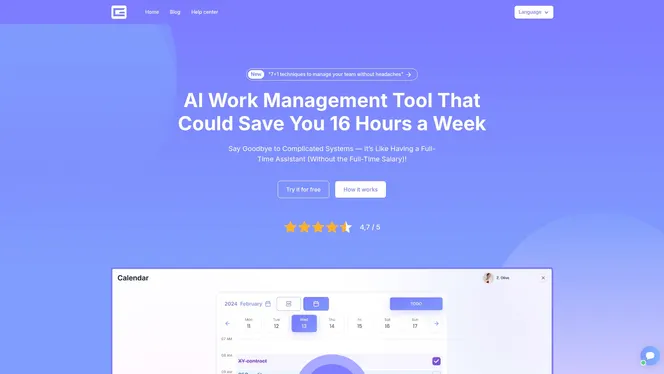
Gammatica for Founders brings together milestones, task management, Kanban boards, and team collaboration in one place, so nothing falls through the cracks. Whether you’re running a lean startup or managing a growing team, Gammatica’s AI-driven templates and automation tools help you save up to 16 hours weekly on administrative work. For revenue-focused teams, Gammatica Sales connects project visibility with your pipeline, keeping delivery and client expectations perfectly aligned. It’s the kind of platform that grows with your process, not against it.
Frequently asked questions
What are the essential components every project plan template should include?
Core components of any solid project plan template are project objectives, a dynamic timeline, resource allocation, risk management, budget tracking, scope definition, and measurable success metrics.
How do Agile and Waterfall templates differ?
Agile templates organize work into sprints and iterative cycles, while Waterfall templates structure delivery into sequential phases with defined phase gates and sign-offs between each stage.
When should I use a digital template instead of Excel or Word?
Choose a digital template whenever your team needs real-time collaboration and version control, especially with larger teams or projects that change frequently.
Can I customize these templates for my industry or team needs?
Absolutely. Most templates support RACI, RAID, stakeholders additions, letting you tailor any standard format to fit compliance requirements, industry workflows, or enterprise-level governance needs.