Managing weekly priorities as a business leader often feels like juggling too many balls at once. Between meetings, team check-ins, strategic planning, and operational fires, it’s easy to lose sight of what truly matters. A structured weekly checklist following GTD principles combined with AI-powered tools can transform this chaos into clarity. This article guides you through building an effective weekly checklist system that saves time, sharpens focus, and leverages AI to measurably boost your team’s productivity.
Key Takeaways
| Point | Details |
|---|---|
| GTD three phases | Lead the weekly review with Get Clear Get Current and Get Creative to organize information update status and plan ahead. |
| Limit to three priorities | Each week should center on 1 to 3 key priorities connected to quarterly goals with measurable outcomes. |
| Timeboxed weekly reviews | Keep the review session to 30 to 60 minutes to maintain focus and avoid decision fatigue. |
| People alongside metrics | Schedule equal attention to people touchpoints and stakeholder relationships to surface issues early and improve results. |
Setting the criteria for an effective weekly checklist
A weekly checklist isn’t just a to-do list. It’s a systematic review process that helps leaders maintain strategic focus while managing operational demands. The most effective approach follows three GTD-inspired phases: Get Clear, Get Current, and Get Creative. These phases ensure you process information, update status, and plan ahead in a logical sequence.
Your checklist should center on 1-3 key priorities each week. More than that and you dilute focus. Fewer and you risk underutilizing capacity. This sweet spot keeps your team aligned without overwhelming anyone with competing demands. Each priority should connect directly to quarterly goals and have measurable outcomes you can track.

People touchpoints deserve equal billing with task metrics. Schedule time to review upcoming 1:1 meetings, team health indicators, and stakeholder relationships. Leaders who skip this step often discover problems too late. A quick scan of who needs attention this week prevents small issues from becoming major fires.
Progress tracking forms the backbone of effective weekly reviews. Identify what moved forward, what stalled, and why. Look for patterns in blockers and risks. This retrospective view informs better planning and helps you spot systemic issues before they compound. Track both leading indicators like activity metrics and lagging indicators like completed milestones.
Keep your weekly review process to 30-60 minutes maximum. Longer sessions lose effectiveness as decision fatigue sets in. Shorter sessions skip critical reflection. This timeframe forces prioritization while allowing deep enough thought to catch important details.
Pro Tip: Block your weekly review time on Friday afternoon or Monday morning when you have natural transition energy. Protect this block as fiercely as you would a client meeting.
- Review and clear all inboxes including email, messages, and task systems
- Update project status for all active initiatives
- Check calendar for the coming two weeks and prep for key meetings
- Identify top 3 priorities and assign time blocks
- Note any people issues or team dynamics requiring attention
- Log wins and lessons learned from the past week
AI-powered tools to optimize weekly checklist execution
AI transforms weekly checklists from manual drudgery into intelligent systems. The right tools automate task prioritization and save over 5% of work hours while increasing overall productivity by measurable margins. These aren’t theoretical gains. Companies using AI task managers report concrete time savings averaging 15 minutes per meeting through automated note-taking and action item extraction.
Akiflow leads in time blocking automation. It analyzes your task list, calendar constraints, and work patterns to suggest optimal scheduling. The AI learns your productivity rhythms and proposes focus blocks when you’re most effective. This eliminates the mental overhead of constantly rearranging your calendar.
Week Plan excels at goal alignment. Its AI connects daily tasks to weekly objectives and quarterly goals automatically. You see exactly how each activity contributes to larger outcomes. This visibility helps leaders make better trade-off decisions when priorities conflict.
ClickUp’s AI generates task breakdowns from high-level projects. Describe a complex initiative and the system proposes subtasks, dependencies, and timelines. While you’ll refine the output, it cuts initial planning time dramatically. The AI also suggests task assignments based on team capacity and skill matches.
Sana Agents brings predictive analytics to task management. It forecasts completion dates based on historical velocity, flags potential blockers before they materialize, and recommends resource reallocation. This forward-looking capability helps leaders stay ahead of problems rather than constantly reacting.
Research shows optimal AI usage falls between 7-10% of work time. Below that threshold, you miss significant productivity gains. Above it, diminishing returns set in and AI overhead outweighs benefits. Track your AI tool usage to find this sweet spot for your workflow.
Pro Tip: Run AI tools in parallel with your existing system for 2-3 weeks before fully switching. This testing period reveals reliability issues and helps you spot biases in AI recommendations.
| AI Tool | Primary Strength | Time Saved | Best For |
|---|---|---|---|
| Akiflow | Time blocking automation | 30-45 min/week | Leaders juggling many small tasks |
| Week Plan | Goal alignment | 20-30 min/week | Strategic planning focus |
| ClickUp | Task generation | 45-60 min/week | Project-heavy workloads |
| Sana Agents | Predictive analytics | 25-40 min/week | Risk management |
Comparing traditional vs AI-augmented weekly checklists
Traditional weekly checklists rely entirely on manual review and human judgment. You scan your calendar, read through project updates, and mentally prioritize based on experience and intuition. This approach works but consumes significant cognitive energy. Leaders spend 60-90 minutes weekly on thorough reviews using purely manual methods.
AI-augmented checklists reduce this time investment while improving output quality. IBM saved 3.9 million hours worth $4.5 billion through AI transformation across their enterprise. While your mid-sized company won’t see billions in savings, the proportional gains apply. Companies with 80% AI adoption achieve 318% ROI over three years according to enterprise studies.
AI excels at pattern recognition humans miss. It spots recurring blockers, identifies capacity constraints before they cause delays, and surfaces dependencies you might overlook. The system continuously learns from outcomes, refining its recommendations based on what actually worked versus what you planned.
Predictive capabilities separate AI-augmented systems from traditional approaches. Instead of reacting to problems, you receive early warnings about potential issues. AI analyzes project velocity, resource allocation, and external dependencies to forecast risks days or weeks ahead. This foresight enables proactive management rather than constant firefighting.
Auto-updating task status eliminates manual tracking overhead. AI integrates with communication tools, code repositories, and project systems to detect progress automatically. When a developer commits code or a designer uploads assets, the system updates relevant tasks without anyone touching a checklist. This real-time accuracy keeps reviews current.
The risk profile differs between approaches. Traditional checklists fail through human oversight and fatigue. AI-augmented systems fail through hallucinations, biases, and misinterpreted context. Neither approach is perfect. The key is understanding failure modes and building appropriate checks. AI requires validation, especially for high-stakes decisions.
- Traditional checklists offer full human control and transparency
- AI systems provide speed and pattern recognition at scale
- Hybrid approaches combine human judgment with AI efficiency
- Cost considerations favor traditional methods for small teams
- Larger teams see clearer ROI from AI investment
| Aspect | Traditional Checklist | AI-Augmented Checklist |
|---|---|---|
| Time investment | 60-90 min/week | 30-45 min/week |
| Prioritization accuracy | Depends on leader experience | Improves with data over time |
| Risk identification | Reactive, based on known issues | Predictive, flags emerging problems |
| Task updates | Manual entry required | Automated from integrated tools |
| Initial setup effort | Low, start immediately | Moderate, requires tool integration |
| Failure mode | Human oversight, fatigue | AI hallucinations, bias |
How to decide and implement the best weekly checklist system for your team
Start by assessing your current pain points. Where do weekly reviews consistently fail? Do you spend too much time gathering information? Miss important details? Struggle with prioritization? Your specific challenges determine which solutions matter most. A team drowning in status updates needs different tools than one struggling with strategic alignment.
Pilot AI tools alongside existing methods rather than replacing everything at once. Run both systems in parallel for a month. Compare outputs, track time spent, and note where AI adds genuine value versus where it creates extra work. This hybrid Agile-GTD approach with AI augmentation works best for mid-sized companies balancing innovation with operational stability.
Task granularity makes or breaks checklist effectiveness. Keep individual tasks sized at 4-16 hours of work. Smaller tasks create administrative overhead that drowns productivity. Larger tasks hide progress and make tracking meaningless. This range provides enough detail for useful status while avoiding micromanagement.
Build people touchpoints into your systematic review. Block time for reviewing upcoming 1:1 meetings, checking team sentiment, and identifying who needs support. Metrics tell you what happened. People conversations tell you why and what to do about it. Leaders who optimize purely for task completion miss the human factors that determine long-term success.
Use your checklist to catch AI failures systematically. Create specific review steps for validating AI recommendations against hallucinations and bias. Ask: Does this priority make strategic sense? Are these time estimates realistic given our history? Does this resource allocation consider team dynamics? These questions surface AI errors before they cause problems.
Invest in training and iteration. Your first checklist implementation won’t be perfect. Schedule monthly retrospectives to refine the process. Gather feedback from your team on what’s working and what creates friction. Adjust task granularity, modify AI tool settings, and evolve your approach based on real outcomes.
Pro Tip: Document your weekly checklist process in a simple one-page guide. New team members can adopt your system quickly, and you maintain consistency even when traveling or during busy periods.
- Map your current weekly review process and identify time sinks
- Select one AI tool that addresses your biggest pain point
- Integrate the tool with your existing task and calendar systems
- Run parallel traditional and AI-augmented reviews for 4 weeks
- Measure time saved and quality improvements with specific metrics
- Train your team on the new process with clear documentation
- Schedule monthly reviews to refine and optimize the system
- Gradually expand AI usage to additional workflow areas
Boost your team’s productivity with Gammatica AI solutions
Transforming your weekly checklist from manual overhead into strategic advantage requires the right tools. Gammatica delivers AI-driven task management specifically designed for business leaders managing complex operations. The platform automates prioritization, tracks progress across multiple projects, and keeps your team aligned without constant status meetings.
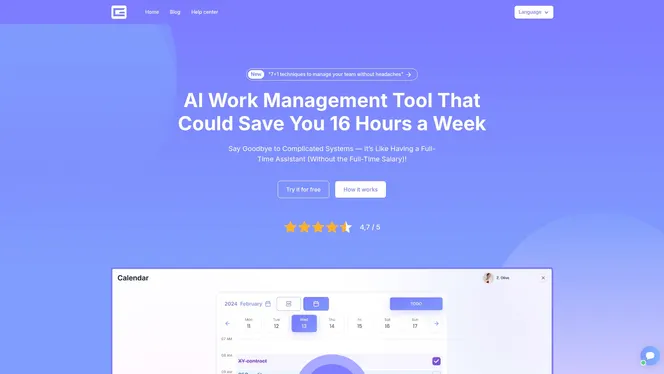
Gammatica for founders provides executive dashboards that surface critical issues automatically. You see what needs attention without digging through project details. Gammatica VEX automation handles routine task updates, freeing your team to focus on high-value work. Gammatica Sales tools integrate customer touchpoints into your weekly review, ensuring no relationship falls through the cracks. The platform claims users save up to 16 hours weekly through intelligent automation and AI-powered workflows.
FAQ
What is a weekly checklist and why is it critical for leaders?
A weekly checklist is a structured review system that helps leaders organize priorities, track progress, and maintain team alignment. It typically follows Get Clear, Get Current, and Get Creative phases adapted from Getting Things Done methodology. This systematic approach prevents important items from slipping through the cracks while reducing the mental load of remembering everything. Leaders using consistent weekly reviews report better strategic focus and fewer operational surprises.
How do AI tools enhance weekly checklist productivity?
AI automates time-consuming tasks like prioritization, scheduling, and status updates that traditionally require manual effort. Generative AI tools save approximately 5% of work hours weekly when used optimally. They also provide predictive analytics that flag potential blockers before they impact deadlines. The combination of time savings and improved foresight lets leaders focus on decision-making rather than information gathering.
What are common pitfalls when implementing AI in weekly checklists?
Task granularity errors undermine checklist effectiveness whether tasks are too fine or too broad. AI systems can hallucinate recommendations that sound plausible but lack strategic sense, requiring human validation. Biases in training data may skew AI suggestions toward certain approaches or overlook important factors. Testing tools thoroughly in parallel with existing methods catches these issues before they cause real problems.
How can mid-sized companies balance people focus with AI productivity gains?
Incorporate explicit people touchpoints in your weekly review checklist, including upcoming 1:1 meetings and team health checks. Use AI to accelerate administrative work and information gathering, but protect focus blocks for strategic thinking and relationship building. The goal is leveraging AI for speed while preserving the human judgment and connection that drive long-term success. Leaders who optimize purely for metrics without considering team dynamics often see productivity gains reverse over time.