Nearly 50 percent of american workers consider leaving their jobs within a year, a statistic that reveals the challenge of retaining top talent in today’s job market. Strong employee retention shapes not only a company’s culture but also its bottom line, affecting productivity, costs, and morale. Understanding what keeps employees engaged and committed gives organizations the edge they need to build a loyal, high-performing american workforce.
Table of Contents
- Defining Employee Retention and Its Importance
- Key Factors Influencing Employee Retention
- Effective Strategies For Retaining Top Talent
- Leveraging Technology To Boost Retention
- Avoiding Common Mistakes In Retention Efforts
Defining Employee Retention and Its Importance
Employee retention is a critical strategic approach that organizations use to maintain a stable and productive workforce. At its core, it represents an organization’s ability to prevent valuable talent from leaving and create an environment where employees want to stay and contribute.
The significance of employee retention goes far beyond simply keeping people in their roles. When companies successfully reduce employee turnover, they unlock substantial strategic advantages. These include minimizing recruitment and training costs, preserving institutional knowledge, maintaining team cohesion, and sustaining organizational productivity. High retention rates signal a healthy workplace culture and demonstrate an organization’s commitment to its workforce.
Key aspects of effective employee retention strategies typically involve:
- Creating competitive compensation packages
- Offering professional development opportunities
- Establishing clear career progression pathways
- Cultivating a positive and supportive work environment
- Implementing robust performance recognition programs
- Providing work flexibility and meaningful employee engagement
Successful retention isn’t about preventing all employee departures but about building an organizational ecosystem where top talent feels valued, challenged, and motivated to contribute their best work. By understanding and proactively addressing the factors that drive employee satisfaction and commitment, businesses can transform retention from a reactive challenge into a strategic competitive advantage.
Key Factors Influencing Employee Retention
Multiple interconnected factors play a critical role in determining an organization’s ability to retain talented employees. Competitive compensation and fair remuneration stand as fundamental elements that directly impact an employee’s decision to remain with a company. When workers feel financially valued and appropriately compensated for their skills and contributions, they are significantly more likely to maintain long-term commitment to their organization.
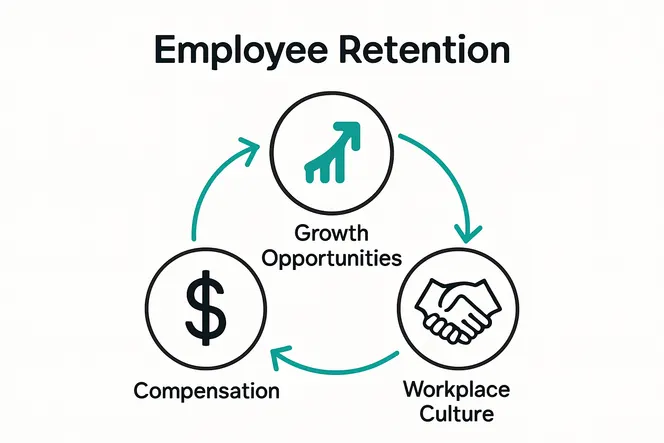
Beyond financial considerations, workplace environment and organizational culture emerge as pivotal retention drivers. A supportive, inclusive, and positive work atmosphere can dramatically influence an employee’s job satisfaction and loyalty. This encompasses factors such as team dynamics, management approaches, communication transparency, and opportunities for professional growth.
Key retention factors include:
- Competitive salary and comprehensive benefits packages
- Clear career advancement opportunities
- Regular performance feedback and recognition
- Professional development and training programs
- Flexible work arrangements
- Strong interpersonal workplace relationships
- Meaningful work and organizational purpose
- Work life balance initiatives
Successful employee retention strategies require a holistic approach that addresses both tangible and intangible workplace elements. By understanding and proactively implementing these multifaceted retention approaches, organizations can create an environment where employees feel genuinely valued, supported, and motivated to contribute their best work over extended periods.
Effective Strategies for Retaining Top Talent
Talent retention requires a multifaceted approach that goes beyond traditional compensation models. Job satisfaction initiatives have emerged as a critical strategy for maintaining a committed and engaged workforce. By creating an environment that addresses both professional and personal needs, organizations can significantly reduce the likelihood of top performers seeking opportunities elsewhere.

Leading companies are increasingly adopting comprehensive retention strategies that blend financial and non-financial incentives. These strategies include offering flexible work arrangements, comprehensive benefits packages, and opportunities for meaningful professional development. The goal is to create a holistic employee experience that makes talented individuals feel genuinely valued and invested in the organization’s success.
Key strategies for retaining top talent include:
- Implementing robust professional development programs
- Creating clear career advancement pathways
- Offering competitive compensation packages
- Performance-based bonuses
- Comprehensive health and wellness benefits
- Providing work flexibility and remote work options
- Establishing mentorship and coaching programs
- Recognizing and rewarding exceptional performance
- Fostering a positive and inclusive organizational culture
- Conducting regular employee engagement surveys
Successful talent retention is an ongoing process that requires continuous adaptation and genuine commitment. Organizations must move beyond traditional retention tactics and develop a dynamic, employee-centric approach that anticipates and responds to the evolving needs and expectations of top performers. By treating employee retention as a strategic priority, businesses can create a workplace environment that not only attracts exceptional talent but also inspires them to grow and thrive within the organization.
Leveraging Technology to Boost Retention
Digital transformation in human resources has revolutionized how organizations approach employee retention. Data-driven approaches using advanced machine learning techniques enable companies to proactively identify and address potential attrition risks before they escalate. By integrating sophisticated analytics across HR systems, businesses can develop targeted strategies that anticipate and respond to employee needs with unprecedented precision.
The emergence of Artificial Intelligence in HR processes presents both transformative opportunities and nuanced challenges for employee retention. AI-powered tools can streamline performance evaluations, personalize employee engagement strategies, and provide real-time insights into workforce dynamics. These technological interventions offer organizations powerful mechanisms to understand, support, and ultimately retain their most valuable talent.
Key technological strategies for boosting employee retention include:
- Implementing predictive analytics for turnover risk assessment
- Utilizing AI-driven performance management platforms
- Developing personalized learning and development recommendation systems
- Skill gap analysis
- Customized training pathways
- Creating intelligent employee feedback mechanisms
- Leveraging sentiment analysis tools
- Designing data-informed career progression frameworks
- Integrating advanced communication and collaboration platforms
- Developing transparent and fair evaluation algorithms
Successful technological retention strategies require a balanced approach that combines cutting-edge tools with human empathy and understanding. While technology offers powerful insights and capabilities, the most effective retention approaches will always blend data-driven intelligence with genuine human connection. Organizations must view these technological interventions as supportive tools that enhance, rather than replace, meaningful human interactions in the workplace.
Avoiding Common Mistakes in Retention Efforts
Employee retention requires a strategic and nuanced approach that goes beyond surface-level interventions. Organizations frequently make critical mistakes by neglecting fundamental aspects of job security and professional development. These oversights can create an environment that inadvertently pushes talented employees toward exploring opportunities elsewhere, undermining long-term organizational stability and performance.
Many companies struggle with understanding the complex dynamics of workforce engagement. Comprehensive retention strategies must address multiple interconnected factors, including reward systems, work environment, and continuous learning opportunities. Failing to create a holistic approach that genuinely supports employee growth and satisfaction can lead to increased turnover rates and diminished organizational effectiveness.
Common retention mistakes to avoid include:
- Offering inadequate compensation packages
- Ignoring professional development opportunities
- Lack of skills training
- Limited career progression pathways
- Providing minimal performance feedback
- Creating rigid, inflexible work environments
- Failing to recognize and appreciate employee contributions
- Neglecting work-life balance considerations
- Implementing one-size-fits-all management approaches
- Undervaluing employee mental health and wellness
Successful retention requires a proactive, empathetic approach that views employees as valuable partners rather than replaceable resources. Organizations must continuously evolve their strategies, remaining responsive to changing workforce expectations and individual employee needs. By developing a culture of genuine care, transparent communication, and meaningful professional growth, companies can transform potential retention challenges into opportunities for building a more engaged, committed, and high-performing workforce.
Boost Employee Retention with Smarter Team Management
Struggling to keep your top talent engaged and committed? This guide highlights that reducing turnover requires addressing multiple factors like clear career paths, flexible work options, and meaningful recognition. At Gammatica, we understand how important it is to create a positive and productive work environment that supports your team’s growth and satisfaction.
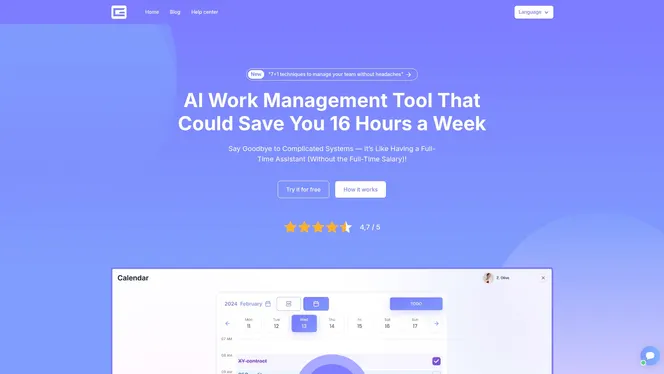
Unlock greater employee satisfaction and retention by streamlining your workflows and improving collaboration with our AI-driven platform. From task management with customizable checklists to seamless team communication and automation, Gammatica helps reduce administrative burdens so your team can focus on what truly matters. Start transforming your retention strategy today by exploring how our solutions can keep your workforce motivated and thriving. Visit Gammatica and see the difference for yourself.
Frequently Asked Questions
What is employee retention and why is it important?
Employee retention refers to an organization’s ability to keep valuable employees and maintain a stable workforce. It is important because high retention rates minimize recruitment and training costs, preserve institutional knowledge, and contribute to overall organizational productivity and a positive workplace culture.
What are some key factors that influence employee retention?
Key factors influencing employee retention include competitive compensation packages, career advancement opportunities, workplace environment, benefit offerings, management practices, and work-life balance initiatives. These elements significantly impact employees’ job satisfaction and commitment to the organization.
What are effective strategies for retaining top talent?
Effective strategies for retaining top talent include offering comprehensive professional development programs, creating clear career paths, providing flexible work arrangements, recognizing and rewarding exceptional performance, and fostering a positive organizational culture through open communication.
How can technology help improve employee retention?
Technology can enhance employee retention through data-driven approaches, such as predictive analytics for turnover risk assessment and AI-driven performance management tools. These technologies offer insights that help organizations tailor their strategies to meet employee needs and address potential attrition risks proactively.