When a team misses its targets quarter after quarter, the root cause is rarely a lack of effort. More often, it’s a lack of clarity. Vague objectives, shifting priorities, and goals that live only in someone’s head create confusion, erode morale, and quietly drain productivity. The good news? Fixing this is entirely within your control. This guide walks you through every stage of the goal-setting process, from preparation and framework selection to tracking and continuous improvement, so your team can move forward with purpose and deliver results that actually matter to your business.
Key Takeaways
| Point | Details |
|---|---|
| Clear goals boost performance | Teams with clear, measurable goals are more productive and aligned. |
| Prep is key to success | Gather data, pick a framework, and involve your team early before setting goals. |
| Use proven frameworks | SMART and OKRs help structure effective goals everyone can follow. |
| Track and optimize | Leverage digital tools to monitor progress and adapt goals as needed. |
| Avoid common mistakes | Regular check-ins and clear accountability prevent goal drift and stagnation. |
Why clear team goals matter
Let’s start with the numbers. Teams with clear goals are on average 20% more productive than those without them. That’s not a marginal gain. That’s the difference between hitting your annual targets and falling short by a full quarter.
When goals are specific and agreed upon, three things happen almost immediately:
- Accountability rises. Everyone knows what they own and what success looks like.
- Collaboration improves. Shared goals reduce internal competition and encourage people to support each other.
- Motivation increases. People work harder when they understand why their work matters.
The flip side is just as real. Lack of clarity is one of the top reasons deliverables get missed. When team members interpret objectives differently, effort gets scattered. Deadlines slip. Frustration builds.
“A goal without a plan is just a wish.” This is especially true in team settings, where misalignment multiplies the cost of vague direction.
Goals also serve as an alignment mechanism between your team and the broader organization. When your team’s priorities map directly to company strategy, every task carries weight. That sense of purpose is a powerful motivator, and it’s one you can engineer deliberately.

Preparing to set actionable team goals
Before you write a single goal, you need the right foundation. Preparation reduces goal drift and increases follow-through, which means the work you do before the goal-setting session is just as important as the session itself.
Here’s what to gather and clarify before you begin:
- Recent performance data: What did your team accomplish last quarter? Where did you fall short?
- Company objectives: What are the top priorities for the business this year? Your team goals must ladder up to these.
- Team roles and capacity: Who is available, and what are their strengths? Realistic goals require honest resource assessment.
- A shared documentation tool: Whether it’s a project management platform or a structured spreadsheet, goals need a home everyone can access.
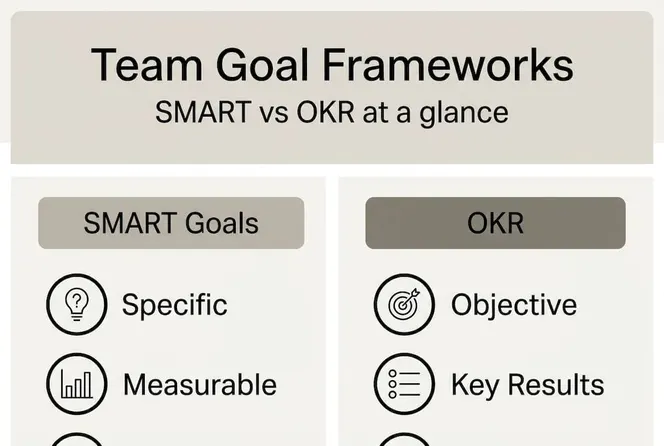
Choosing a goal-setting framework early also matters. Two of the most widely used are SMART (Specific, Measurable, Achievable, Relevant, Time-bound) and OKRs (Objectives and Key Results). Here’s a quick comparison:
| Framework | Best for | Key strength |
|---|---|---|
| SMART | Operational and project goals | Clarity and specificity |
| OKRs | Strategic and growth goals | Ambition and alignment |
| KPIs | Ongoing performance tracking | Consistency and benchmarking |
Finally, involve your team early. When people contribute to shaping their own goals, they feel ownership over the outcome. That buy-in is worth more than any perfectly worded objective written in isolation.
Pro Tip: Run a short pre-meeting survey asking team members what they think the top three priorities should be. You’ll surface blind spots and build engagement before the session even starts.
Step-by-step: How to set effective team goals
Now that your groundwork is in place, here’s a practical process you can follow:
- Start with the big picture. Review your company’s strategic priorities. Every team goal should connect to at least one of them. If a goal doesn’t serve the strategy, question whether it belongs on the list.
- Break objectives into specific actions. A goal like “improve customer satisfaction” is a direction, not a destination. Translate it into something measurable: “Increase NPS score from 42 to 55 by Q3.”
- Apply your chosen framework. Use SMART and OKR frameworks to stress-test each goal. Is it specific? Is there a deadline? Is it actually achievable given your resources?
- Assign clear ownership. Every goal needs a named owner, not a team or a department. One person is responsible for driving progress and flagging blockers.
- Set checkpoints. Build in weekly or biweekly check-ins to review progress. Don’t wait until the deadline to find out something went off track.
- Document everything. Record goals, owners, deadlines, and progress notes in your project management tool. If it’s not written down and visible, it doesn’t exist.
Pro Tip: AI-driven tools can now suggest goal structures and flag when objectives are too vague or unrealistic based on historical team data. This is a genuine time-saver during planning sessions.
Avoiding common mistakes and troubleshooting goal setting
Even well-intentioned goal-setting efforts can go sideways. Common reasons for failed goals include vague language and poor follow-up, two problems that are entirely preventable with the right habits.
Watch out for these pitfalls:
- Vague goals: “Do better” or “grow the business” are not goals. They’re wishes. Every goal needs a number, a deadline, or a clear deliverable.
- Moving goalposts: Changing priorities mid-cycle without communicating the shift destroys trust and focus. If priorities must change, hold a formal reset conversation.
- No accountability structure: If no one owns a goal, no one feels responsible for it. Assign ownership at the individual level.
- Skipping the tracking step: Goals that aren’t tracked in a formal tool get forgotten. Out of sight, out of mind is a real phenomenon in busy teams.
- Failing to adapt: Business conditions change. A goal set in January may be irrelevant by April. Build in a quarterly review to assess whether goals still make sense.
“The biggest mistake managers make is setting goals and then walking away. Goals need tending, not just setting.”
When a goal starts to drift, don’t wait for the next scheduled review. Call a quick check-in, identify the blocker, and adjust the plan. Honest, frequent conversations are the antidote to goal failure.
Pro Tip: Create a simple “goal health” rating system. Each week, team members rate their goals green (on track), yellow (at risk), or red (blocked). This gives you an instant visual of where attention is needed.
Measuring and optimizing team goals with digital tools
Setting goals is only half the job. Measuring and improving them is where the real value is created. Project management platforms improve adherence to team goals by up to 28%, and it’s easy to see why.
Digital tools give you capabilities that spreadsheets and email chains simply can’t match:
- Real-time visibility: Everyone sees the same data at the same time. No more “I thought that was done” conversations.
- Automated reminders: Deadlines don’t sneak up on people when the system sends alerts in advance.
- Milestone tracking: Break large goals into smaller milestones and track completion at each stage.
- Collaboration features: Comments, file attachments, and @mentions keep conversations tied to the work itself.
- Reporting and analytics: Review completed vs. missed goals over time to identify patterns and improve future planning.
Here’s a quick look at what to track and how often:
| Metric | Tracking frequency | Tool feature to use |
|---|---|---|
| Goal completion rate | Weekly | Dashboard or Kanban board |
| Milestone progress | Biweekly | Task checklist or timeline view |
| Blocker resolution time | As needed | Comment threads or status flags |
| Team engagement with goals | Monthly | Reporting or survey integration |
Automating your progress reports is a particularly high-value move. Instead of spending time compiling updates, let your platform generate them. That’s time your managers can spend coaching, not copy-pasting.
Pro Tip: Set up automated weekly summaries that go directly to your leadership team. Visibility at the top creates accountability at every level below it.
Next steps: Unlock your team’s potential with Gammatica
You now have a clear roadmap: prepare thoroughly, set goals with a proven framework, assign ownership, track progress with digital tools, and adapt as you go. The process works. What makes it sustainable is having the right platform to support it.
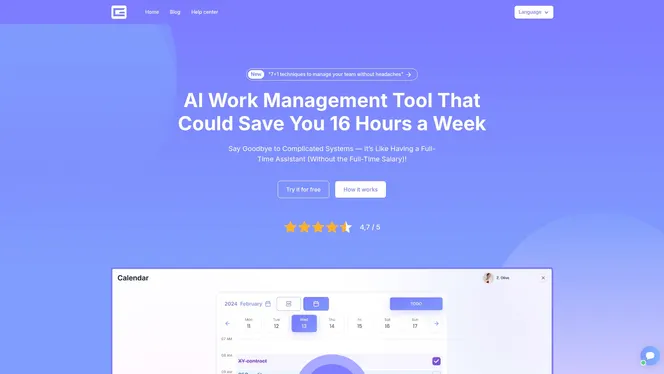
Gammatica is built specifically for business leaders and managers who want to move from scattered spreadsheets to a single, intelligent workspace. Whether you’re a founder building your first team operating system or a sales leader trying to hit aggressive targets, Gammatica gives you the tools to set, track, and optimize goals in one place. Explore Gammatica for founders to see how the platform supports strategic planning and team alignment, or check out Gammatica for sales to discover how sales teams use it to stay focused and close more deals. Your team’s potential is already there. Gammatica helps you direct it.
Frequently asked questions
What is the most effective goal-setting framework for teams?
SMART and OKRs are the two most widely used frameworks, and both help teams stay accountable by making goals specific, measurable, and time-bound. The best choice depends on whether your goals are operational (SMART) or strategic and growth-oriented (OKRs).
How can I keep my team motivated to achieve their goals?
Make goals visible to everyone, celebrate progress milestones, and use collaborative tools that allow for ongoing feedback. Platforms that improve adherence by up to 28% do so partly because transparency itself is motivating.
What are common mistakes teams make in goal setting?
Vague language and poor follow-up are the most common culprits, along with failing to assign clear ownership and not tracking goals in a formal system where everyone can see progress.
How do digital tools help with team goals?
Digital tools centralize tracking, automate deadline reminders, and make collaboration easier by keeping conversations tied directly to the work. This reduces the chance that goals get forgotten or deprioritized as day-to-day demands pile up.