Most American professionals are rethinking how they build careers as freelancing races ahead in popularity. With more than 52 percent of the United States workforce projected to go freelance by 2026, the shift is reshaping how people find stability and opportunity. Understanding this changing reality means recognizing the facts and debunking common myths about freelancing, arming yourself with real insight instead of outdated assumptions.
Table of Contents
- Defining Freelancing In 2026 And Common Myths
- Major Categories And Evolving Freelancer Roles
- Ai, Automation, And Remote Collaboration Tools
- Global Marketplaces And Changing Talent Dynamics
- Compliance, Data Security, And Legal Updates
- Financial Implications, Rates, And Taxation
Defining Freelancing in 2026 and Common Myths
The landscape of work is rapidly transforming, with freelancing emerging as a powerful career model that challenges traditional employment structures. According to research projections, freelancing is expected to encompass over 52% of the U.S. workforce by 2026, signaling a profound shift in how professionals approach their careers.
At its core, freelancing represents a flexible work arrangement where individuals provide specialized services to multiple clients without long-term commitment to a single employer. Freelancers are self-employed professionals who bring expertise across diverse industries, from technology and design to writing and consulting. This model offers unprecedented autonomy, allowing professionals to craft personalized work experiences that align with their skills, interests, and lifestyle preferences.
Despite its growing popularity, several persistent myths continue to mischaracterize freelancing. Common misconceptions include:
-
Myth 1: Freelancing Lacks Stability
- Reality: Modern freelancers build robust, diversified client portfolios
- Strategic networking and specialized skills create consistent income streams
- Digital platforms enable easier client acquisition and relationship management
-
Myth 2: Freelancing Is an Easy Money Path
- Reality: Success requires significant skill development and business acumen
- Continuous learning, marketing, and professional positioning are crucial
- Top freelancers invest heavily in personal brand and skill enhancement
Understanding these nuances reveals freelancing as a sophisticated, strategic career choice. Successful freelancers are not just service providers but entrepreneurial professionals who design their work lives with intentionality and precision.
Major Categories and Evolving Freelancer Roles
The freelance ecosystem is experiencing a dramatic transformation, driven by technological advancements and shifting market demands. Emerging trends reveal specialized skill categories that are reshaping how professionals approach independent work, with cutting-edge sectors like artificial intelligence, digital health, and financial technology leading the charge.
Specialized Freelancer Categories are becoming increasingly sophisticated, characterized by deep expertise and strategic positioning. These include:
-
Technology Specialists
- AI and Machine Learning Experts
- Cybersecurity Consultants
- Cloud Architecture Designers
- Blockchain Technology Developers
-
Creative and Digital Professionals
- UX/UI Design Strategists
- Content Marketing Specialists
- Digital Brand Storytellers
- Multimedia Production Experts
-
Business and Strategic Roles
- Digital Transformation Consultants
- Remote Team Productivity Coaches
- International Business Strategy Advisors
- Tech-Enabled Operations Specialists
The rise of multi-skilled freelancers represents a profound shift in professional capabilities. Modern freelancers are no longer confined to single-discipline roles but are instead becoming versatile professionals who can seamlessly integrate technical prowess with creative insights. This hybrid approach allows them to offer comprehensive solutions that transcend traditional professional boundaries.

These evolving roles demonstrate that freelancing in 2026 is not just about providing services, but about delivering integrated, innovative solutions that address complex business challenges. Successful freelancers will be those who continuously adapt, learn, and position themselves at the intersection of technological innovation and strategic problem-solving.
AI, Automation, and Remote Collaboration Tools
Artificial Intelligence and automation are revolutionizing the freelance landscape, creating unprecedented opportunities for productivity and innovation. AI tools have become integral to modern freelance workflows, enabling professionals to streamline complex tasks and deliver high-quality work with remarkable efficiency.
The emerging technological ecosystem for freelancers now encompasses multiple critical tools and platforms:
-
AI-Powered Productivity Tools
- Intelligent content generation systems
- Automated design and graphic creation platforms
- Smart scheduling and time management assistants
- Predictive project management algorithms
-
Remote Collaboration Technologies
- Real-time global communication platforms
- Cloud-based collaborative workspaces
- Advanced video conferencing solutions
- Secure file sharing and version control systems
The adoption of comprehensive platforms is consolidating previously fragmented workflows, allowing freelancers to access skill-building resources, community networks, and administrative tools through unified ecosystems. These integrated solutions eliminate the need for multiple disconnected systems, creating seamless operational experiences that dramatically reduce administrative overhead.
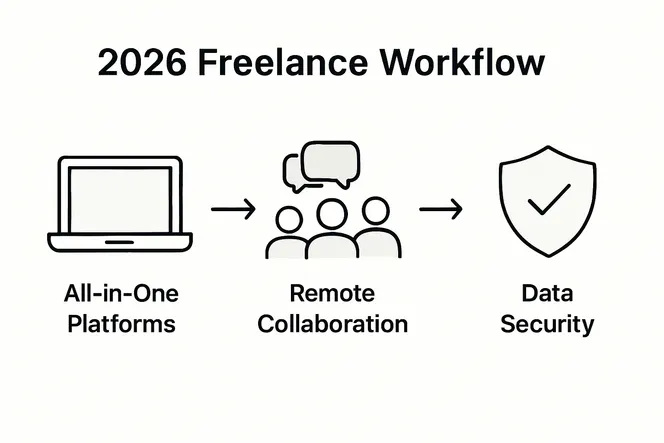
As technological capabilities continue expanding, successful freelancers will distinguish themselves by strategically integrating these advanced tools into their professional practices. The future belongs to those who can expertly blend human creativity with technological efficiency, transforming potential challenges into opportunities for unprecedented professional growth and innovation.
Global Marketplaces and Changing Talent Dynamics
The freelance landscape is experiencing a profound global transformation, characterized by unprecedented interconnectedness and talent mobility. Emerging workforce trends highlight significant international growth, with countries like India projected to dramatically expand their freelance talent pools, signaling a fundamental reshaping of global work dynamics.
Talent Marketplace Characteristics are evolving to reflect this new professional ecosystem:
-
Global Talent Platforms
- Borderless talent acquisition networks
- Skills-based matching algorithms
- Transparent pricing and performance tracking
- Multilingual communication systems
-
Emerging Talent Clusters
- Technology and software development hubs
- Digital marketing and content creation networks
- Design and creative professional communities
- Consulting and strategic advisory groups
The democratization of work is creating unprecedented opportunities for professionals worldwide. Geographical boundaries are becoming increasingly irrelevant as digital platforms enable talented individuals to connect directly with global clients, transcending traditional employment limitations. Sophisticated matching technologies now allow businesses to access specialized skills from diverse global talent pools, while freelancers can leverage their unique expertise to secure international opportunities.
This global talent revolution represents more than a trend—it’s a fundamental restructuring of how work is conceived, executed, and valued. Successful professionals will be those who can navigate these complex, interconnected marketplaces with agility, cultural intelligence, and a commitment to continuous skill development.
Compliance, Data Security, and Legal Updates
Legal complexity is becoming a critical consideration for freelancers navigating the increasingly sophisticated global work environment. Freelancers must independently manage multiple complex administrative responsibilities, including contracts, legal documentation, accounting, and marketing, which can significantly impact their operational efficiency and financial sustainability.
Key Compliance and Security Considerations:
-
Data Protection Requirements
- International privacy regulation compliance
- Robust encryption protocols
- Secure client information management
- Regular cybersecurity risk assessments
-
Legal Framework Essentials
- Cross-border contract standardization
- Tax reporting and international income tracking
- Intellectual property protection strategies
- Professional liability insurance coverage
Technological and demographic shifts are compelling companies to reevaluate traditional human resource policies, creating new frameworks that accommodate the rapidly evolving freelance economy. These transformations demand proactive approaches to legal compliance and risk management.
Successful freelancers in 2026 will distinguish themselves by developing comprehensive understanding of legal landscapes, implementing robust security protocols, and maintaining exceptional professional standards. This holistic approach transforms potential legal challenges into strategic advantages, enabling professionals to build trust, credibility, and long-term client relationships in an increasingly complex global marketplace.
Financial Implications, Rates, and Taxation
Financial strategies for freelancers are undergoing a radical transformation, reflecting the dynamic global work environment. Global freelance pay rates demonstrate significant growth potential, with U.S. professionals averaging $50–$60 per hour and emerging markets experiencing even more rapid compensation expansion.
Key Financial Considerations for Modern Freelancers:
-
Pricing and Rate Structures
- Value-based pricing models
- Tiered service packages
- Performance-linked compensation
- Dynamic pricing algorithms
-
Tax and Financial Management
- International income reporting
- Cryptocurrency and digital payment integration
- Retirement and investment strategies
- Multi-currency financial planning
- Automated expense tracking systems
The financial landscape for freelancers demands sophisticated, adaptive approaches. Professionals must develop robust financial literacy, understanding complex taxation requirements, investment opportunities, and strategic pricing mechanisms. Success will increasingly depend on the ability to navigate global financial systems, leverage technology for financial management, and create diversified income streams.
Embracing a holistic financial strategy means viewing freelancing not just as a job, but as a dynamic entrepreneurial venture. Top-performing freelancers will distinguish themselves by combining technical expertise with sharp financial acumen, transforming their professional skills into sustainable, scalable financial ecosystems.
Empower Your Freelance Team with Smarter Management Tools
The rapid rise of freelancing and the complexities of managing diverse, remote, and multi-skilled professionals demand innovative solutions to stay ahead. The article highlights crucial challenges such as coordinating global talent, handling complex workflows, and leveraging AI and automation to boost productivity. If you are striving to reduce administrative burdens and streamline project management in this dynamic freelance ecosystem, you need a platform that adapts as fast as your workforce does.
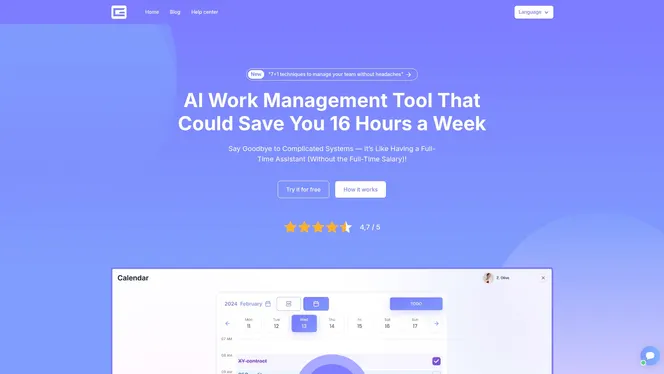
Discover how Gammatica.com can transform your freelance team management by integrating task management, CRM, automation, and real-time collaboration all in one intelligent platform. Save hours every week with AI-driven suggestions and pre-designed templates that help you stay organized and efficient across multiple projects. Take control of your workflows, empower your team, and accelerate your business growth today.
Get started now with Gammatica.com and experience next-level productivity for your freelance leadership needs.
Frequently Asked Questions
What is the future outlook for freelancing in 2026?
Freelancing is expected to encompass over 52% of the U.S. workforce by 2026, reflecting a significant shift towards more flexible work arrangements.
How can freelancers ensure they have a stable income?
Modern freelancers build diversified client portfolios and engage in strategic networking, which helps to create consistent income streams despite the traditional perception of freelancing lacking stability.
What are the key skills freelancers should develop to succeed in 2026?
To thrive in 2026, freelancers should focus on continuous learning in specialized fields, business acumen, and effective marketing strategies to enhance their personal brand and skillset.
How are AI and automation affecting the freelance landscape?
AI and automation are significantly enhancing productivity for freelancers by streamlining complex tasks, allowing them to deliver high-quality work with greater efficiency.