TL;DR:
- An effective executive summary should be concise, clear, and include quantifiable benefits and a call-to-action.
- Modern summaries often integrate live data for credibility, especially in ongoing reports, enhancing decision-making speed.
- Avoid common pitfalls like jargon, excess detail, vague claims, and drafting before completing the full report.
Condensing a 30-page business report into one compelling page is one of the hardest writing tasks a project manager faces. Get it wrong, and your proposal sits unread. Get it right, and decision-makers are sold before they reach page two. The executive summary is the single most influential section of any report or proposal, yet most teams treat it as an afterthought. This article walks you through high-performing examples, ready-to-use templates, and expert-backed criteria so your next summary drives real action.
Key Takeaways
| Point | Details |
|---|---|
| Summaries drive decisions | A clear, concise executive summary often determines if a report or proposal is read and acted on. |
| Follow proven templates | Use classic and modern summary structures targeting your audience and purpose. |
| Leverage real-time data | Dynamic summaries using live data boost credibility and facilitate informed, timely decisions. |
| Avoid common pitfalls | Keep your summary stand-alone, actionable, data-driven, and to the point. |
What makes a great executive summary?
To lay the foundation for the examples ahead, start by understanding what makes an executive summary truly effective. Not all summaries are created equal. The difference between one that wins buy-in and one that gets skimmed comes down to structure, clarity, and intent.
The sweet spot for length is 150 to 300 words. That is enough space to communicate your core message without overwhelming a busy executive. Think of it like a movie trailer: it should make people want to see the full feature, not replace it. The inverted pyramid structure works well here. Lead with the most critical information, then layer in supporting context.
Here is what every strong executive summary includes:
- A clear hook: Open with the key metric, problem, or opportunity that makes the reader care immediately.
- Quantified benefits: Use numbers wherever possible. “Reduced costs by 22%” lands harder than “improved efficiency.”
- A single, specific call-to-action (CTA): Tell the reader exactly what you want them to do next.
- Standalone readability: The summary should make sense without the rest of the document.
Common mistakes include too much detail, lack of clarity, and forgetting a clear call-to-action. These errors are easy to make when you are deep in the weeds of a project, which is why structure matters so much.
Modern best practice also encourages integrating live data from collaboration tools directly into your summary. This keeps the content current and boosts credibility. Explore proven summary writing frameworks to find the structure that fits your reporting style.
“Your executive summary is not a table of contents. It is a persuasive argument dressed as an overview.”
Pro Tip: Write your executive summary last. Once the full report is complete, you will know exactly which findings deserve the spotlight. Writing it first almost always leads to vague, unfocused openings.
Classic executive summary example: Project proposal
With the criteria in mind, let’s see how these principles apply in a standard, real-world project proposal. The classic format follows a problem-solution-impact scheme, and it works because it mirrors how decision-makers think.

Imagine a mid-sized logistics company proposing a new warehouse management system. Here is how a strong summary for that proposal looks in practice:
Problem: Manual inventory tracking is causing a 14% error rate in order fulfillment, costing the business an estimated $180,000 annually.
Proposed solution: Implement an automated warehouse management system (WMS) with real-time inventory syncing across three distribution centers.
Projected impact: Reduce fulfillment errors by 80%, recover $144,000 in annual losses, and cut processing time by 35% within six months.
Next step: Approve the pilot program budget of $42,000 by March 15 to begin vendor onboarding.
Notice how every element is specific and quantified. The reader knows the problem, the fix, the payoff, and what action to take. That clarity is not accidental. Companies with strong summaries see 35 to 41% higher proposal win rates, which is a pretty compelling reason to get this right.
Key elements to include in any project proposal summary:
- The client challenge or organizational goal
- The proposed solution in plain language
- Quantified outcomes or projected ROI
- A defined next step with a deadline or owner
This format works across industries, from IT projects to marketing campaigns to operational overhauls. The structure stays the same; only the specifics change.
Pro Tip: Avoid jargon in your summary. If a stakeholder outside your department cannot understand it, rewrite it. Your summary should persuade a CFO and a department head equally.
Modern executive summary example: Business report using live data
Beyond traditional summaries, the latest best practice is to bring live data into the executive summary, boosting credibility and real-time relevance. This is one of the most significant shifts in business reporting in recent years.
A modern summary for a Q1 performance report might open like this:
Key win: Operational costs dropped by 25% in Q1 2026, driven by automation across procurement workflows.
Live data snapshot: [Embedded chart showing monthly cost trends, updated automatically from your project management platform]
Current status: Three of five strategic initiatives are on track. Two require resource reallocation before Q2 close.
CTA: Book a review meeting this week to approve the reallocation plan and maintain momentum.
Modern 2026 summaries increasingly integrate live project metrics from platforms like monday.com or Asana, making reports feel less like static documents and more like real-time dashboards.
Here is what makes the live data approach powerful:
- Automatic updates: Charts and metrics refresh without manual edits, reducing reporting errors.
- Increased trust: Stakeholders see current numbers, not figures that may be weeks old.
- Faster decisions: Real-time data removes the “let me check on that” delay from meetings.
- Stronger CTAs: When the data is live, the urgency of the next step feels more grounded.
“A summary backed by live data does not just inform. It creates the conditions for faster, more confident decisions.”
This approach does require some setup, particularly connecting your reporting tools to your project platform. But once it is in place, your summaries practically write themselves, and they carry far more weight in the room.
Comparison of summary styles and when to use each
Now, compare the key features of each example to decide which template aligns best with your needs. Both styles have their place, and choosing the right one depends on your audience, document type, and reporting cadence.
| Feature | Classic summary | Modern (live data) summary |
|---|---|---|
| Length | 150 to 300 words | 150 to 300 words |
| Data type | Static, manually updated | Live, auto-refreshing |
| Best for | Proposals, one-time reports | Ongoing reports, dashboards |
| Audience | Clients, external stakeholders | Internal leadership, boards |
| Setup time | Low | Medium to high |
| Persuasion style | Narrative, problem-solution | Data-first, metric-driven |
A useful benchmark: 1 full page is the standard for reports between 10 and 25 pages, and your summary should never exceed 10% of the total report length. Longer is not more thorough. It is just harder to read.
How to choose the right summary type for your situation:
- Identify your audience. External clients and investors often respond better to the classic narrative format. Internal leadership teams benefit from live data integration.
- Consider the document type. One-off proposals call for the classic approach. Recurring operational or financial reports are ideal candidates for live data summaries.
- Assess your tools. If your team already uses a project management platform with reporting features, live data summaries are within reach. If not, start with the classic format and build from there.
- Match the tone to the stakes. High-stakes proposals need a persuasive narrative. Routine updates benefit from clean, scannable data.
The right choice is the one your audience will actually read and act on. When in doubt, go with clarity over complexity.
How to avoid common executive summary mistakes
As you finalize your summary, avoid these prevalent errors and use these tested fixes. Even experienced project managers fall into predictable traps when writing summaries under deadline pressure.
The most common mistakes include:
- Unnecessary jargon: Technical language that confuses non-specialist stakeholders kills momentum fast.
- Excessive detail: A summary is not a condensed version of the full report. It is a curated highlight reel.
- Vague claims: Phrases like “significant improvement” or “notable progress” tell the reader nothing. Quantify everything.
- Missing CTA: If the reader does not know what to do next, they will do nothing. Always end with a specific, actionable next step.
- Writing it first: Drafting the summary before completing the report leads to gaps and misalignment.
Frequent mistakes include writing summaries that are too detailed, lack a clear CTA, are written before completing the report, or fail to act as a standalone pitch. Each of these is fixable with a simple process change.
Here is how to fix them:
- Keep to the 150 to 300 word range. If you are over, cut supporting detail, not core claims.
- Quantify wherever possible. Replace adjectives with numbers.
- Write the summary after the full report is complete. You will know what matters most.
- Read the summary in isolation. If it makes sense without the rest of the document, you are on track.
Pro Tip: Treat your executive summary as both a persuasive sales pitch and a report preview. It should make the reader feel informed and motivated at the same time. That dual purpose is what separates a good summary from a great one.
A fresh perspective: Why your executive summary matters more than ever in 2026
Looking at the bigger picture, here is why nailing your executive summary is now non-negotiable. Decision-makers in 2026 are more time-pressed than ever, and AI-assisted tools are now standard in most reporting workflows.
AI-assisted drafting tools now cut summary drafting time by 90%, but critical thinking and persuasive framing still require the human touch. That is the tension every project manager needs to navigate.
The risk is mistaking automation for persuasion. An AI tool can generate a grammatically clean summary in seconds. But it cannot understand your stakeholder’s priorities, your organization’s political dynamics, or the strategic weight of the decision on the table. That context is yours to provide.
We believe the executive summary has become the highest-leverage document in any business communication stack. It is where strategy meets storytelling. Skimp on it, and even the most rigorous analysis goes unnoticed.
Pro Tip: Use AI for a first draft, then edit strategically for audience impact. Ask yourself: does this summary make my specific reader want to act? If not, keep editing.
Optimize your business reporting with modern summary tools
Ready to upgrade your team’s summaries and win more proposals? Putting these principles into practice is much easier when your team has the right platform behind them.
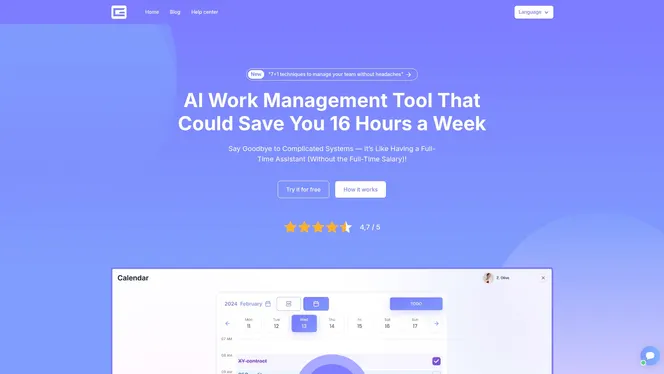
Gammatica for founders and business leaders offers built-in tools for creating data-linked summaries, managing project workflows, and keeping your team aligned in one place. From Kanban boards to automated reporting integrations, Gammatica helps you move from raw data to polished, decision-ready summaries faster. Explore reporting solutions that connect your live project metrics to your executive communications, so every summary you send carries real-time credibility and a clear path to action.
Frequently asked questions
How long should an executive summary be?
The optimal length is 150 to 300 words, or roughly one full page for reports between 10 and 25 pages. Never exceed 10% of the total report length.
What is the most common mistake in executive summaries?
Too much detail and a missing call-to-action are the top pitfalls. A summary that reads like a condensed report loses the reader before they reach the ask.
Should live data be included in executive summaries?
Yes. Integrating live data makes summaries more actionable and credible, and it reflects the dominant reporting trend heading into 2026 and beyond.
Do AI tools help in writing executive summaries?
AI tools cut drafting time by up to 90%, but the persuasive framing and strategic context still require human judgment to land effectively with your audience.