Every american project manager knows how overwhelming managing multiple teams and complex projects can become. Up to 89 percent of project managers admit their teams struggle to meet deadlines due to unclear goals and scattered communication. For medium and large organizations across Europe, Asia, and North America, finding efficient ways to track progress and cut down on administrative tasks is crucial. This guide reveals practical solutions for achieving precision, boosting team clarity, and delivering results with less stress.
Table of Contents
- 1. Set Clear Project Goals And Milestones
- 2. Use Automated Task Management Tools
- 3. Implement Real-Time Progress Tracking
- 4. Leverage Pre-Made Templates For Efficiency
- 5. Foster Seamless Team Communication
- 6. Optimize Time Tracking And Reporting
- 7. Regularly Review And Refine Workflows
1. Set Clear Project Goals and Milestones
Successful project management begins with establishing precise, well-defined goals and milestones that provide a strategic roadmap for your team’s success. Milestones are critical checkpoints that help track progress, manage risks, and ensure your project stays on course.
Understanding milestones goes beyond simple task tracking. Effective milestone setting involves regularly testing assumptions and creating measurable, time-bound objectives that align with your project’s broader impact. These strategic markers help teams visualize progress, identify potential roadblocks, and make informed decisions about resource allocation and project continuation.
To implement clear goals and milestones, start by breaking down your overall project into distinct stages. Each milestone should have specific, quantifiable criteria for success. For instance, instead of a vague goal like “improve performance,” define a concrete milestone such as “reduce project completion time by 20% within the first quarter.”
Key elements of effective milestone planning include:
- Specificity: Clearly define what success looks like
- Measurability: Establish quantitative criteria for achievement
- Time-bound: Set realistic deadlines for each milestone
- Adaptability: Allow flexibility to adjust goals as project evolves
Pro tip: Create a visual milestone timeline that everyone on the team can easily reference, helping maintain transparency and collective accountability.
2. Use Automated Task Management Tools
In the world of project management, efficiency is key and automated task management tools are your secret weapon for streamlining workflow and boosting team productivity. Modern task management systems have evolved to enhance organizational efficiency by providing comprehensive solutions for tracking, organizing, and completing projects.
These powerful tools go beyond simple to-do lists. They offer robust features that transform how teams collaborate and work together. Automated task management platforms enable real-time tracking, seamless assignment of responsibilities, and transparent progress monitoring. By centralizing task information, these tools eliminate communication gaps and reduce the administrative overhead that typically slows down project execution.
When implementing automated task management, consider tools that offer:
- Integration capabilities with existing software platforms
- Real-time collaboration features
- Customizable workflows
- Progress tracking and reporting
- Notification and reminder systems
Choosing the right tool means evaluating your team’s specific needs. Look for platforms that allow flexible task creation, easy assignment, and intuitive progress tracking. The goal is to find a solution that feels natural and reduces rather than adds complexity to your team’s workflow.
Pro tip: Select a task management tool with mobile compatibility to ensure team members can update and track tasks from anywhere, keeping projects moving forward even when team members are remote or traveling.
3. Implement Real-Time Progress Tracking
Real-time progress tracking transforms how teams monitor and manage project performance, providing instant visibility into task completion and overall project health. Progress monitoring involves frequent data collection and evaluation that helps teams make informed decisions and quickly adjust strategies.
By implementing real-time tracking, you create a transparent environment where every team member can see current project status, bottlenecks, and potential obstacles. This approach eliminates guesswork and reduces communication delays that can slow down project momentum. Modern tracking tools offer dynamic dashboards that update instantly, showing task completion percentages, individual contributions, and upcoming deadlines.
Effective real-time progress tracking includes several key components:
- Granular task tracking with precise status updates
- Visual performance dashboards
- Automated reporting mechanisms
- Individual and team performance metrics
- Instant notification systems
To maximize the benefits of real-time tracking, select tools that integrate seamlessly with your existing project management software. The goal is to create a smooth, intuitive system that provides actionable insights without adding administrative burden to your team.
Pro tip: Schedule weekly 15-minute review sessions using your real-time tracking dashboard to quickly identify potential bottlenecks and celebrate team progress.
4. Leverage Pre-Made Templates for Efficiency
Pre-made templates are the ultimate productivity hack for project managers seeking to streamline workflow and reduce administrative overhead. Project management templates enable teams to save time and enhance efficiency by providing ready-made frameworks for critical project documentation.
These powerful tools eliminate the need to create documents from scratch, allowing your team to focus on core project execution rather than getting bogged down in formatting and structure. Templates provide a standardized approach that ensures consistency across different projects and team members, reducing errors and miscommunication.
When implementing pre-made templates, consider leveraging resources for:
- Project planning documents
- Risk management frameworks
- Resource allocation spreadsheets
- Communication plan outlines
- Status reporting templates
The key to successful template use is finding the right balance between standardization and flexibility. Look for templates that provide a solid foundation but can be easily customized to meet your specific project needs. Many project management platforms offer template libraries that can be adapted to various industries and project types.
Pro tip: Create a personal template library by saving and refining your most successful project document templates, allowing you to continuously improve and streamline your workflow.
5. Foster Seamless Team Communication
Team communication is the backbone of successful project management, transforming individual efforts into collective achievement. Teamwork training interventions improve communication and collaboration skills by developing shared understanding and trust among team members.
Effective communication goes beyond simply exchanging information. It involves creating an environment where team members feel comfortable sharing ideas, expressing concerns, and collaborating openly. This approach breaks down silos, reduces misunderstandings, and accelerates project progress by ensuring everyone is aligned and working towards common goals.
To foster seamless team communication, implement strategies such as:
- Regular team check-in meetings
- Clear communication channel protocols
- Active listening techniques
- Transparent project status updates
- Constructive feedback mechanisms
Choose communication tools that support both synchronous and asynchronous interactions, allowing team members to collaborate effectively regardless of their location or work schedule. The right communication strategy can dramatically reduce project delays, minimize conflicts, and create a more engaged and productive team environment.
Pro tip: Establish a team communication charter that outlines preferred communication methods, response time expectations, and guidelines for respectful dialogue to create a clear and consistent communication framework.
6. Optimize Time Tracking and Reporting
Time tracking is more than just logging hours it is a strategic approach to understanding and maximizing team productivity. Modern time management strategies leverage technology to optimize scheduling and provide data driven insights into work performance.
By implementing robust time tracking and reporting systems, you transform raw work hours into actionable intelligence. These tools help identify productivity patterns, recognize potential bottlenecks, and create opportunities for process improvement. Understanding how time is actually spent allows teams to make informed decisions about workload distribution, resource allocation, and individual performance.
Key components of effective time tracking include:
- Automated time logging systems
- Detailed project breakdown
- Customizable reporting dashboards
- Individual and team performance metrics
- Real time productivity insights
Successful time tracking requires a balance between comprehensive monitoring and maintaining team morale. Choose tools that provide transparency without feeling invasive, focusing on empowering team members to understand and improve their own productivity.
Pro tip: Implement a weekly 15-minute time audit where team members review their tracked hours, identifying both productivity peaks and areas for potential optimization.
7. Regularly Review and Refine Workflows
Workflow optimization is not a one-time event but a continuous process of evolution and improvement. Systematic workflow reviews support transparency and process reliability by ensuring your team remains adaptable and efficient.
Regular workflow reviews provide an opportunity to identify bottlenecks, eliminate redundant processes, and streamline team operations. By approaching workflow refinement as an ongoing strategy, you create a dynamic environment that can quickly adapt to changing project requirements and technological advancements.
Effective workflow review strategies include:
- Quarterly performance assessments
- Team feedback sessions
- Process documentation analysis
- Comparative productivity metrics
- Technology and tool evaluations
Successful workflow refinement requires an open mindset and a commitment to continuous improvement. Encourage team members to provide candid feedback about current processes, creating a collaborative environment where everyone contributes to operational excellence.
Pro tip: Schedule monthly 30-minute workflow retrospectives where team members can openly discuss process challenges and propose innovative improvement strategies.
Below is a comprehensive table summarizing the strategies and steps for effective project management covered in the article.
| Key Aspect | Description | Benefits |
|---|---|---|
| Set Clear Project Goals and Milestones | Establish precise goals and define milestones with measurable criteria such as specificity, adaptability, and time-bound attributes. | Provides a strategic roadmap, supports progress tracking, and facilitates informed decisions. |
| Use Automated Task Management Tools | Leverage platforms offering real-time collaboration, task tracking, and customizable workflows. | Enhances team productivity, reduces administrative overhead, and ensures efficient task execution. |
| Implement Real-Time Progress Tracking | Use dashboards with instant updates, granular task tracking, and automated reporting. | Improves transparency, supports bottleneck identification, and accelerates decision-making. |
| Leverage Pre-Made Templates | Utilize standard templates for planning, risk management, and communication. | Saves time, ensures document consistency, and facilitates workflow streamlining. |
| Foster Seamless Team Communication | Develop communication strategies including regular check-ins, clear protocols, and constructive feedback. | Promotes collaboration, reduces misunderstandings, and aligns team efforts effectively. |
| Optimize Time Tracking and Reporting | Implement automated systems for real-time productivity insights and detailed reporting. | Identifies productivity patterns, supports workload optimization, and enhances performance. |
| Regularly Review and Refine Workflows | Conduct assessments and retrospectives to identify inefficiencies and adapt processes. | Ensures operational excellence and fosters adaptability to changes. |
Elevate Your Project Tracking with Smart Automation and Clear Milestones
Managing projects with clear goals and real-time progress tracking can feel overwhelming when relying on manual processes or disconnected tools. This article highlights the challenges team leaders face such as setting measurable milestones, streamlining task management, and fostering seamless communication. If you want to reduce administrative burdens and stay ahead of bottlenecks in your workflows, integrating AI-powered automation and intuitive project tracking tools is essential.
At Gammatica, our AI-driven platform is specifically designed to solve these pain points. From automated task management to customizable checklist creation and robust time tracking, Gammatica helps you establish transparent milestone timelines while improving team collaboration. Imagine freeing up to 16 hours weekly by letting AI handle repetitive tasks and providing actionable insights on your project performance.
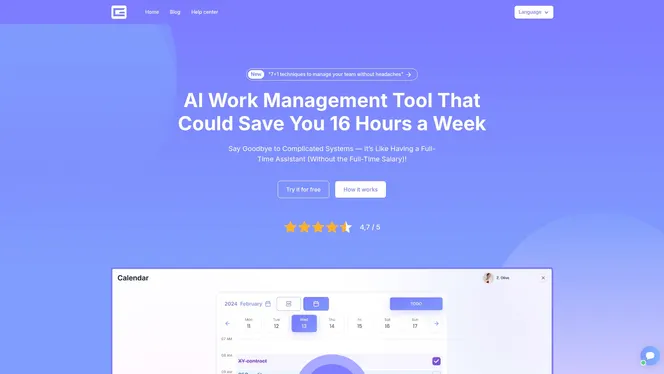
Take control of every project phase with solutions tailored to increase efficiency and maintain momentum. Start transforming how your team manages projects today by visiting Gammatica’s productivity platform. Empower your leadership with tools that bring clarity, speed, and accountability to project tracking. Don’t wait to make your best project management strategy a reality.
Frequently Asked Questions
What are the key components to setting clear project goals and milestones?
Setting clear project goals and milestones involves specificity, measurability, time-bound deadlines, and adaptability. Start by defining what success looks like for each milestone and ensure these goals align with the project’s overall objectives; for example, aim to reduce project completion time by 20% within the first quarter.
How can automated task management tools improve project efficiency?
Automated task management tools enhance project efficiency by centralizing information, allowing for real-time tracking and seamless responsibility assignments. To improve your team’s workflow, evaluate tools that fit your specific needs and support easy task creation, updating, and transparent progress monitoring.
What methods can I use for effective real-time progress tracking?
Effective real-time progress tracking includes granular task updates, visual dashboards, and automated reporting mechanisms. Implement tools that provide immediate insights and establish regular review sessions to identify bottlenecks and recognize achievements quickly.
How can pre-made templates save time in project management?
Pre-made templates streamline workflow by providing ready-made structures for essential project documentation. Utilize templates for tasks like resource allocation and risk management to eliminate repetitive formatting work, allowing your team to focus on execution rather than administration.
What strategies can I implement to foster better team communication?
To foster better team communication, establish regular check-in meetings and implement clear communication protocols. Encourage an open environment where team members feel comfortable sharing feedback and thoughts, reducing misunderstandings and promoting alignment on project goals.
How do I regularly review and refine project workflows?
Regularly reviewing and refining workflows involves conducting performance assessments and team feedback sessions. Schedule monthly retrospectives to discuss process challenges openly, allowing the team to propose innovative strategies that enhance operational efficiency.