Juggling multiple projects and fast deadlines often leaves teams feeling overwhelmed and out of sync. When roles blur and communication breaks down, even the most skilled professionals can lose sight of what matters most. The good news is that there are reliable Agile practices that solve these common challenges and help everyone deliver value with less stress.
By using proven methods like daily standups, clear accountability, and visual workflow tools, you can transform how your team collaborates and keeps projects on track. Each upcoming tip gives you actionable steps to improve transparency, focus, and real results—no guesswork needed.
Get ready to discover practical strategies that will strengthen your workflow and boost your confidence in every project phase.
Table of Contents
- Understand The Scrum Framework For Clear Roles
- Use Daily Standups To Improve Communication
- Visualize Workflows With Kanban Boards
- Prioritize Tasks Using The MoSCoW Method
- Break Work Into Small Sprints For Fast Delivery
- Apply Continuous Feedback For Better Results
- Incorporate User Stories For Clear Goals
- Limit Work In Progress To Ensure Focus
- Hold Retrospectives To Drive Improvement
- Estimate Tasks With Planning Poker
- Implement Backlog Grooming Sessions
- Automate Repetitive Tasks To Save Time
- Use Definition Of Done For Quality Control
- Embrace Cross-Functional Teams For Flexibility
- Set Clear Acceptance Criteria For Success
- Track Progress Visually With Burndown Charts
- Integrate Customer Feedback Regularly
1. Understand the Scrum Framework for Clear Roles
In modern project management, clarity of team roles is crucial for successful collaboration. The Scrum framework offers a powerful approach to defining team responsibilities that transforms how organizations deliver value.
Scrum establishes three primary accountabilities that enable teams to work efficiently: the Product Owner, Scrum Master, and Developers. Unlike traditional hierarchical structures, this framework emphasizes self-organization and collective ownership. Scrum accountability guidelines highlight that each role has distinct yet interconnected responsibilities designed to maximize team performance.
The Product Owner represents the customer’s interests and prioritizes work. They define the project vision, manage the product backlog, and ensure the team delivers maximum value. Developers are cross-functional team members responsible for transforming product backlog items into potentially releasable increments. The Scrum Master acts as a servant leader who removes obstacles, facilitates team interactions, and helps everyone understand Scrum principles.
Implementing this framework requires commitment. Start by clearly defining each role’s expectations, encouraging open communication, and creating an environment where team members understand their accountabilities. Regular sprint planning, daily standups, and retrospective meetings help reinforce these roles and improve collaborative dynamics.
Pro tip: Schedule a team workshop to explicitly map out each Scrum role’s responsibilities and create a visual accountability matrix that everyone can reference.
2. Use Daily Standups to Improve Communication
Daily standups are a powerful technique for transforming team communication and alignment. These short, focused meetings create a rhythm of transparency and collaboration that keeps everyone on the same page.
Research on Agile communication reveals that daily standups dramatically improve team performance by establishing psychological safety and reducing miscommunication. Traditionally lasting no more than 15 minutes, these meetings help teams quickly share progress, identify obstacles, and maintain collective momentum.
Key Elements of an Effective Daily Standup:
- Share What You Accomplished: Briefly highlight completed tasks
- Discuss Current Work: Explain what you are currently working on
- Identify Blockers: Highlight any obstacles preventing progress
- Keep It Concise: Maintain a strict time limit of 15 minutes
To implement successful standups, create a consistent structure. Choose a regular time that works for everyone, preferably at the start of the workday. Encourage team members to be direct, honest, and solution oriented. Focus on collaboration rather than individual performance reporting.
Successful standups require active participation and a supportive environment. Rotate the meeting facilitation among team members to encourage engagement and shared responsibility. Use visual tools like digital boards or physical whiteboards to track progress and make discussions more interactive.
Pro tip: Record brief action items from each standup and review them at the start of the next meeting to ensure continuous progress and accountability.
3. Visualize Workflows with Kanban Boards
Kanban boards transform complex project workflows into clear, visual roadmaps that help teams track progress and manage work efficiently. These powerful tools provide an instant snapshot of project status and team productivity.
Effective workflow visualization enables teams to optimize throughput and quickly identify potential bottlenecks. A typical Kanban board includes columns representing different stages of work progress such as To Do, In Progress, and Completed.
Key Components of a Kanban Board:
- Columns: Represent workflow stages
- Work in Progress Limits: Prevent team overload
- Color Coding: Indicate task priority or type
- Task Cards: Display individual work items
To implement a Kanban board, start by mapping your team’s specific workflow. Customize columns to match your actual work process. Use color coding to distinguish between different types of tasks or priority levels. Assign clear ownership to each task card and update the board regularly during team meetings.
The most effective Kanban boards integrate seamlessly with daily standup meetings. Use the board as a focal point for discussions about current work status, obstacles, and upcoming priorities. This approach creates a transparent environment where everyone understands the team’s current progress and challenges.
Pro tip: Use digital Kanban tools that allow real time updates and integrate with your existing project management software for maximum efficiency.
4. Prioritize Tasks Using the MoSCoW Method
The MoSCoW method provides a powerful framework for prioritizing project requirements and aligning team efforts with strategic goals. This simple yet effective technique helps teams make critical decisions about what work matters most.
Agile prioritization strategies offer teams a structured approach to managing project scope and stakeholder expectations. The MoSCoW method breaks down tasks into four clear categories that help teams focus their energy and resources.
MoSCoW Prioritization Categories:
- Must Have: Critical requirements essential for project success
- Should Have: Important items that add significant value but are not urgent
- Could Have: Desirable features that are not necessary for core functionality
- Won’t Have: Lower priority items postponed for future consideration
To implement the MoSCoW method, gather your team and stakeholders to collaboratively classify project requirements. Start by identifying the Must Have items that are absolutely critical to project success. These are non negotiable elements that represent the project’s minimum viable product.
Next, discuss Should Have items that provide significant value but can be deferred if time or resources become constrained. Could Have items represent nice to have features that can be added if extra capacity exists. Won’t Have items are intentionally placed out of scope for the current project cycle.
Pro tip: Conduct regular prioritization reviews to reassess task categories and ensure your project remains aligned with evolving business objectives.
5. Break Work Into Small Sprints for Fast Delivery
Sprints are the heartbeat of agile project management, transforming complex work into manageable chunks of focused, high value delivery. By breaking projects into short iterations, teams can dramatically improve their productivity and adaptability.
Sprint planning techniques enable teams to create structured work cycles that maximize efficiency and minimize wasted effort. Typically lasting between one and four weeks, sprints provide a rhythm of continuous improvement and incremental progress.
Key Sprint Planning Elements:
- Fixed Time Frame: Consistent sprint duration
- Clear Goals: Well defined sprint objectives
- Collaborative Planning: Team wide commitment
- Regular Review: Inspect and adapt approach
To implement effective sprints, start by determining an appropriate sprint length that matches your team’s workflow. Most teams find two week sprints provide an optimal balance between momentum and flexibility. During sprint planning, collaboratively select and estimate tasks that can be realistically completed within the sprint timeframe.
Each sprint should begin with a planning session where the team reviews backlog items, defines sprint goals, and commits to specific deliverables. At the sprint’s conclusion, conduct a review meeting to demonstrate completed work and a retrospective to discuss what went well and potential improvements.
Pro tip: Use digital sprint tracking tools that allow real time progress monitoring and enable seamless collaboration across distributed team members.
6. Apply Continuous Feedback for Better Results
Continuous feedback is the lifeblood of high performing teams, transforming traditional project management into a dynamic and responsive process. By creating multiple channels for ongoing input, teams can rapidly adapt and improve their work.
Continuous feedback strategies have become essential in modern organizational environments. The approach goes beyond simple performance reviews, creating a real time dialogue that drives innovation and organizational learning.
Key Components of Effective Continuous Feedback:
- Regular Check Ins: Frequent communication touchpoints
- Multi Source Input: Feedback from peers, managers, and customers
- Immediate Actionability: Quick response to insights
- Transparent Documentation: Clear record of suggestions and improvements
To implement continuous feedback, establish multiple communication channels. This might include weekly team retrospectives, digital feedback platforms, anonymous suggestion systems, and customer interaction tracking. The goal is to create an environment where everyone feels comfortable sharing observations and potential improvements.
Encourage a culture of constructive dialogue where feedback is seen as an opportunity for growth rather than criticism. Agile feedback methodologies emphasize learning and adaptation over blame. Train team members to provide specific, actionable feedback that focuses on behaviors and outcomes rather than personal judgments.
Pro tip: Create a digital feedback repository where team members can log suggestions, track implementation, and celebrate improvements made through collaborative input.
7. Incorporate User Stories for Clear Goals
User stories transform complex project requirements into simple human centered narratives that guide team efforts and align development with customer needs. They serve as powerful communication tools that translate technical work into meaningful user experiences.
Agile user story fundamentals provide a structured approach to capturing product requirements from the user’s perspective. These concise descriptions help teams focus on delivering genuine value rather than getting lost in technical details.
Key Components of Effective User Stories:
- Who: The user or customer
- What: Specific functionality desired
- Why: The underlying user benefit or goal
- Acceptance Criteria: Clear conditions of satisfaction
To craft compelling user stories, focus on the human experience. A typical user story follows a standard format: “As a [type of user], I want [some goal] so that [some reason].” For example, “As a project manager, I want to track team productivity so that I can optimize workflow efficiency.”
Encourage your team to collaborate when writing user stories. Hold dedicated sessions where team members brainstorm from the user’s perspective. Break down complex requirements into smaller, more manageable stories that can be completed within a single sprint. Prioritize stories based on user value and strategic importance.
Pro tip: Use visual story mapping techniques to arrange user stories in a logical workflow, helping teams understand how individual features connect to create a comprehensive user experience.
8. Limit Work in Progress to Ensure Focus
Working on multiple tasks simultaneously might seem productive, but it actually reduces efficiency and increases team stress. Limiting work in progress helps teams concentrate their energy and deliver higher quality results more quickly.
Work in progress management is a strategic approach to improving team performance by controlling the number of active tasks. This technique prevents team members from becoming overwhelmed and ensures deeper focus on completing important work.
Key Benefits of WIP Limits:
- Reduced Context Switching: Minimize mental overhead
- Faster Completion Rates: Improve task delivery speed
- Enhanced Quality: Allow deeper concentration
- Better Team Collaboration: Create shared focus
To implement WIP limits, start by visualizing your current workflow using a Kanban board. Determine a realistic maximum number of tasks that can be in progress simultaneously. This number should challenge the team to stay focused without creating undue pressure. A common starting point is limiting work to 1 2 tasks per team member.
Regularly review and adjust your WIP limits based on team performance and project complexity. During sprint planning, discuss which tasks are most critical and prioritize them. Encourage team members to finish existing work before starting new assignments, creating a culture of completion rather than constant multitasking.
Pro tip: Use visual indicators like colored sticky notes or digital board settings to make WIP limits immediately apparent and help team members self regulate their workload.
9. Hold Retrospectives to Drive Improvement
Retrospectives are the secret weapon of high performing teams, providing a structured opportunity to reflect learn and continuously improve. These meetings transform team challenges into opportunities for growth and innovation.
Sprint retrospective techniques offer teams a systematic approach to evaluating their performance and identifying meaningful improvements. By creating a safe space for honest dialogue, retrospectives help teams become more effective and adaptable.
Key Elements of Effective Retrospectives:
- Reflect on What Worked: Celebrate team successes
- Identify Improvement Areas: Highlight potential challenges
- Generate Actionable Solutions: Create specific improvement plans
- Track Progress: Follow up on previous retrospective commitments
To conduct a successful retrospective, create an environment of psychological safety where team members feel comfortable sharing honest feedback. Use structured techniques like the start stop continue method or gather insights through anonymous digital surveys. Encourage everyone to contribute and focus on constructive observations that drive meaningful change.
Ensure that each retrospective concludes with clear action items. Assign specific owners to each improvement initiative and set realistic timelines for implementation. Review these action items in the subsequent retrospective to maintain accountability and track tangible progress.
Pro tip: Rotate retrospective facilitation among team members to bring fresh perspectives and ensure everyone develops strong reflection and improvement skills.
10. Estimate Tasks with Planning Poker
Planning Poker transforms task estimation from a mundane administrative task into an engaging team collaboration exercise. This innovative technique helps teams develop shared understanding and more accurate project forecasts.
Collaborative estimation techniques provide teams with a powerful method to assess task complexity and effort. Planning Poker uses numbered cards to create a structured yet interactive estimation process that reduces individual biases and encourages collective insight.
Key Principles of Planning Poker:
- Simultaneous Voting: Prevent influence from dominant voices
- Numbered Card System: Standardize estimation scales
- Open Discussion: Encourage diverse perspectives
- Consensus Building: Align team understanding
To implement Planning Poker, use a deck of cards with numbers representing effort or complexity levels. Typical scales include Fibonacci sequences or modified point systems. When estimating a task, each team member selects a card representing their perceived effort without showing others. Once everyone has chosen, cards are revealed simultaneously.
If estimates vary widely, team members with the highest and lowest cards explain their reasoning. This triggers a constructive dialogue that helps everyone understand different perspectives on task complexity. The goal is not perfect agreement but a shared understanding that leads to more accurate sprint planning.
Pro tip: Use digital Planning Poker tools for remote teams to maintain the interactive and collaborative spirit of this estimation technique.
11. Implement Backlog Grooming Sessions
Backlog grooming transforms messy project requirements into a clear strategic roadmap that guides team efforts and ensures everyone understands project priorities. These focused sessions help teams maintain a clean organized project backlog that supports efficient workflow and strategic execution.
Backlog grooming involves regularly reviewing and refining the product backlog to keep project requirements current, relevant, and actionable. During these sessions, teams collaboratively assess existing tasks, remove outdated items, add new priorities, and ensure user stories are well defined and properly sized.
Key Components of Effective Backlog Grooming:
- Prioritize Tasks: Align work with strategic goals
- Refine User Stories: Ensure clarity and specificity
- Remove Obsolete Items: Keep backlog current
- Break Down Complex Tasks: Improve estimability
To conduct successful backlog grooming, schedule regular sessions typically lasting 60 to 90 minutes. Invite key team members including product owners, developers, and key stakeholders. Review each backlog item critically ask questions like: Is this still relevant? What additional details do we need? How can we make this more specific?
Focus on creating user stories that are clear concise and actionable. Use the INVEST criteria: Independent Negotiable Valuable Estimable Small and Testable. This approach ensures that each backlog item is well understood and can be effectively implemented during upcoming sprints.
Pro tip: Rotate backlog grooming facilitation among team members to bring diverse perspectives and maintain collective ownership of project priorities.
12. Automate Repetitive Tasks to Save Time
Automation transforms tedious manual work into efficient streamlined processes, freeing teams to focus on creative problem solving and strategic initiatives. By identifying and automating repetitive tasks, teams can dramatically improve productivity and reduce human error.
Agile automation strategies enable teams to create consistent reliable workflows that minimize administrative overhead. Automation goes beyond simple task elimination it creates opportunities for teams to invest their energy in high value work.
Key Areas for Task Automation:
- Build Processes: Standardize code compilation
- Testing: Create automatic test suites
- Deployment: Implement continuous integration
- Reporting: Generate automatic status updates
To begin automating tasks, start by mapping your current workflows and identifying repetitive processes that consume significant time. Look for tasks that are rule based, predictable, and occur frequently. Evaluate tools and scripts that can handle these standard procedures without manual intervention.
Continuous integration workflows provide excellent opportunities for automation. Implement automated pipelines that run tests, perform code reviews, and validate software builds without constant human oversight. This approach reduces errors and accelerates development cycles.
Pro tip: Gradually introduce automation by selecting one low risk process at a time and expanding your automated workflows as team comfort and technical capabilities grow.
13. Use Definition of Done for Quality Control
The Definition of Done transforms subjective project completion into an objective, measurable standard that ensures consistent quality across team deliverables. It creates a shared understanding of what truly constitutes high quality work.
Scrum quality standards provide teams with a clear framework for evaluating work completeness. The Definition of Done acts as a mutual agreement that prevents misunderstandings and sets clear expectations for every task and project increment.
Key Elements of an Effective Definition of Done:
- Specific Criteria: Clearly defined quality benchmarks
- Measurable Standards: Objective completion requirements
- Team Consensus: Collaborative agreement
- Transparent Expectations: Shared understanding of quality
To develop a robust Definition of Done, gather your entire team and collaboratively define what completion means for different types of work. For a software feature, this might include code review, unit testing, integration testing, documentation, and user acceptance criteria. For a marketing project, it could involve stakeholder approval, performance metrics, and content validation.
Make your Definition of Done visible to everyone. Create a physical or digital poster that team members can reference. Review and update these criteria regularly to ensure they remain relevant and aligned with evolving project goals and organizational standards.
Pro tip: Create separate Definition of Done templates for different types of work to accommodate the unique requirements of various project types and team functions.
14. Embrace Cross-Functional Teams for Flexibility
Cross-functional teams represent the future of collaborative work, breaking down traditional departmental barriers and creating dynamic groups capable of solving complex challenges. By bringing together professionals with diverse skills and perspectives, organizations can unlock unprecedented innovation and problem solving potential.
Agile team collaboration strategies demonstrate how integrated teams can generate superior outcomes through shared expertise and mutual understanding. These teams go beyond simple cooperation they create a synergistic environment where different professional backgrounds complement each other.
Key Characteristics of Successful Cross-Functional Teams:
- Diverse Skill Sets: Members from different disciplines
- Shared Goals: Unified project objectives
- Collaborative Culture: Open communication
- Flexible Roles: Adaptable team structures
To build effective cross-functional teams, focus on creating an environment of psychological safety. Encourage team members to share perspectives without fear of judgment. Develop communication protocols that allow everyone to contribute equally regardless of their professional background or traditional organizational hierarchy.
Agile project management principles emphasize empowering teams to make collective decisions. Create opportunities for team members to rotate responsibilities, learn from each other, and develop a more holistic understanding of project challenges.
Pro tip: Conduct regular team building activities that help members understand each other’s professional backgrounds and communication styles to enhance mutual respect and collaboration.
15. Set Clear Acceptance Criteria for Success
Acceptance criteria transform vague project requirements into precise measurable goals that guide team performance and ensure high quality deliverables. These concise statements create a shared understanding of what success truly looks like for each project increment.
Defining project acceptance standards provides teams with a clear roadmap for delivering exactly what stakeholders expect. By establishing specific testable conditions, teams can eliminate ambiguity and reduce the risk of misunderstandings.
Characteristics of Effective Acceptance Criteria:
- Specific: Clearly defined outcomes
- Measurable: Objective evaluation standards
- Testable: Verifiable success conditions
- Concise: Straightforward language
To create robust acceptance criteria, focus on writing statements that answer key questions: What must be true for this task to be considered complete? What specific conditions demonstrate successful implementation? Use concrete language that leaves no room for interpretation.
Write acceptance criteria from the user or stakeholder perspective. For a software feature, this might include performance metrics, user interface requirements, or specific functionality expectations. For a marketing campaign, it could involve reach, engagement, or conversion targets.
Pro tip: Involve both development team members and stakeholders when drafting acceptance criteria to ensure comprehensive and realistic success definitions.
16. Track Progress Visually with Burndown Charts
Burndown charts transform complex project tracking into a simple visual narrative, showing teams exactly how much work remains and whether they are on track to meet sprint goals. These powerful graphical tools provide instant insights into project momentum and potential challenges.
Agile project tracking techniques enable teams to monitor progress with remarkable clarity. Burndown charts plot remaining work against available time, creating a straightforward representation of project velocity and potential bottlenecks.
Key Components of Burndown Charts:
- Horizontal Axis: Time duration
- Vertical Axis: Remaining work
- Ideal Progress Line: Expected trajectory
- Actual Progress Line: Real team performance
To create an effective burndown chart, start by defining the total amount of work at the sprint’s beginning. Break down tasks into measurable units like story points or hours. Update the chart daily during standup meetings to maintain accuracy and transparency.
Pay attention to the relationship between the ideal progress line and actual progress line. If the actual line consistently rises above the ideal line, it signals potential delays or scope creep. Conversely, a line consistently below the ideal line might indicate that the team is working more efficiently than anticipated.
Pro tip: Use digital project management tools that automatically generate and update burndown charts to save time and ensure real time tracking accuracy.
17. Integrate Customer Feedback Regularly
Customer feedback is the lifeblood of successful product development, transforming assumptions into actionable insights that drive meaningful improvements. By creating systematic channels for continuous user input, teams can ensure their work remains aligned with genuine market needs.
Customer feedback integration strategies provide teams with a structured approach to understanding and responding to user experiences. Regular feedback loops help organizations stay responsive and adaptive in rapidly changing environments.
Key Elements of Effective Feedback Integration:
- Multiple Collection Channels: Surveys, interviews, analytics
- Systematic Review Process: Regular feedback analysis
- Transparent Communication: Share insights with team
- Rapid Iteration: Quick implementation of user suggestions
To implement a robust feedback strategy, create diverse collection methods. Use online surveys, user interviews, support ticket analysis, and usage analytics to gather comprehensive insights. Develop a consistent schedule for reviewing and discussing user input during sprint planning and retrospective meetings.
Prioritize feedback based on frequency, potential impact, and alignment with strategic goals. Not every suggestion needs immediate implementation, but every piece of feedback deserves thoughtful consideration. Create a visible backlog of user insights that the team can reference and discuss during planning sessions.
Pro tip: Develop a dedicated feedback dashboard that tracks user suggestions, their implementation status, and the resulting product improvements to maintain transparency and demonstrate responsiveness.
Below is a comprehensive table summarizing the strategies and techniques discussed in the article for effective Agile project management and team collaboration.
| Topic | Description | Key Actions |
|---|---|---|
| Scrum Framework | Establishes three primary roles for effective team collaboration: Product Owner, Scrum Master, and Developers. | Clearly define roles, and conduct regular meetings such as sprint planning and retrospectives. |
| Daily Standups | Short daily meetings for alignment and transparency among team members. | Discuss completed tasks, upcoming work, and any blockers; limit duration to 15 minutes. |
| Kanban Boards | Visual representation of the workflow enabling efficient tracking of task progress and potential bottlenecks. | Use columns and visual cues for workflow stages; tailor the board to the team’s workflow processes. |
| MoSCoW Method | A prioritization framework that divides project requirements into categories: Must Have, Should Have, Could Have, Won’t Have. | Conduct collaborative prioritization meetings and regularly review priorities. |
| Sprints | Defined short periods dedicated to completing specific tasks or goals. | Select tasks during sprint planning that can be completed in a defined timeframe, and conduct reviews and retrospectives. |
| Continuous Feedback | Ongoing input from team members and stakeholders for improvement and adaptation. | Utilize regular feedback channels; prioritize constructive communication and actionable improvements. |
| User Stories | Brief narratives emphasizing the user’s perspective for task and feature understanding. | Create statements using the format: “As a [user], I want [goal] so that [reason].” |
| Limiting Work in Progress | An approach that prioritizes focus by limiting simultaneously active tasks. | Visualize the workflow and set realistic task limits per team member. |
| Retrospectives | Sessions at the end of sprints to review performance and outline future improvements. | Encourage open discussion, identify actionable improvements, and track resolved issues over time. |
| Planning Poker | A collaborative task estimation method using consistent numerical scaling for effort assessment. | Facilitate discussions post-estimation to reach consensus and adjust for diverse perspectives. |
Boost Your Agile Workflow With Gammatica’s Powerful Management Tools
The challenges of implementing agile techniques like Scrum roles, Kanban boards, sprint planning, and continuous feedback can feel overwhelming when trying to increase team productivity and maintain focus. If you find yourself struggling to limit work in progress, visualize workflows clearly, or incorporate customer feedback consistently, you are not alone. These pain points slow down delivery and make transparency difficult to achieve.
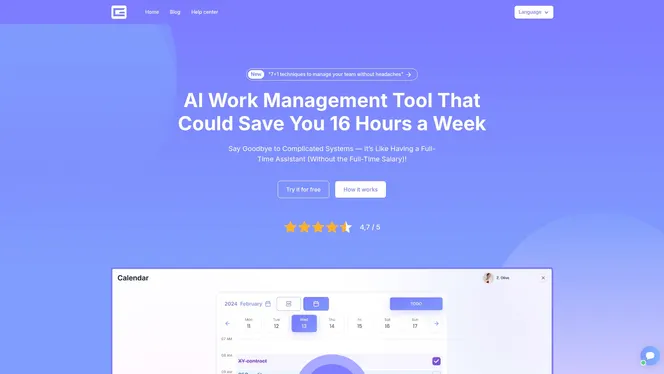
Gammatica.com is designed to tackle these exact challenges with its AI-driven project and team management platform. Automate repetitive tasks, stay on top of priorities with intuitive Kanban boards, and improve collaboration through checklists, calendar coordination, and team communication features. Whether you need to streamline sprint planning, track burndown charts, or manage user stories with clear acceptance criteria, Gammatica provides the tools to reduce administrative burdens and free up your valuable time. Start transforming your agile processes today by exploring Gammatica’s agile-friendly features. Experience how seamless task management and AI-powered suggestions elevate your team’s productivity and focus now.
Frequently Asked Questions
What are the key roles in the Scrum framework?
The key roles in the Scrum framework are the Product Owner, Scrum Master, and Developers. To implement Scrum effectively, clearly define the expectations and responsibilities for each role within your team.
How can daily standups improve team communication?
Daily standups foster quick and focused communication among team members, allowing them to share progress and identify obstacles efficiently. Schedule a 15-minute standup each day to ensure transparency and alignment within the team.
What is the MoSCoW method for prioritizing tasks?
The MoSCoW method categorizes tasks into four groups: Must Have, Should Have, Could Have, and Won’t Have. Gather your team to classify requirements according to this framework and reassess these categories regularly to stay aligned with project goals.
How can I effectively implement a Kanban board?
To implement a Kanban board, customize it to represent your team’s workflow stages, such as To Do, In Progress, and Completed. Visualize current workload with regular updates during team meetings, which will help identify potential bottlenecks and improve throughput.
What is the purpose of holding retrospectives?
Retrospectives provide an opportunity for teams to reflect on their performance, celebrate successes, and identify areas for improvement. Schedule these meetings regularly to generate actionable solutions that drive continuous enhancement in team dynamics and processes.
How can I automate repetitive tasks in my agile team?
To automate repetitive tasks, start by mapping your current workflows to identify tasks that can be streamlined. Focus on a single low-risk process to automate first, gradually expanding as your team becomes more comfortable with automated workflows.