Every team leader knows the frustration when even the most talented professionals struggle to achieve more together than alone. As today’s workplace grows more complex, finding the right structure for effective teamwork is not just a management trend but a necessity. This guide unpacks current definitions, core team structures, and collaborative elements, highlighting strategies to harness both human strengths and the potential of artificial intelligence for smarter, more productive teams.
Table of Contents
- Defining Teamwork At Work Today
- Types Of Team Structures In Business
- Essential Elements Of Effective Collaboration
- Common Teamwork Challenges And Pitfalls
- AI And Automation In Team Collaboration
Defining Teamwork at Work Today
Teamwork represents a strategic collaboration where multiple professionals combine their skills, knowledge, and efforts to achieve shared organizational objectives. In today’s complex business environment, teamwork is no longer just a workplace buzzword but a critical mechanism for driving performance and innovation. Interdependent work processes require professionals to synchronize their individual contributions toward collective goals.
Effective modern teamwork encompasses several core dimensions that transform individual talents into synchronized organizational success:
- Leadership: Guiding team direction and maintaining strategic alignment
- Mutual Performance Monitoring: Tracking collective and individual progress
- Backup Behavior: Supporting team members during challenging tasks
- Adaptability: Responding dynamically to changing work conditions
- Team Orientation: Prioritizing collaborative outcomes over individual achievements
Contemporary teamwork transcends traditional hierarchical structures, emphasizing psychological safety, trust, and collaborative problem-solving. Team dynamics research reveals that successful teams require more than just talented individuals—they need robust organizational support, clear communication channels, and a culture that encourages knowledge sharing.
Strategic team formation involves carefully considering individual strengths, complementary skill sets, and shared commitment to team objectives. Effective teams are not randomly assembled but strategically designed to leverage diverse expertise and foster innovative thinking.
Pro tip: Conduct periodic team skill assessments to identify collaboration gaps and optimize team composition for maximum performance.
Types of Team Structures in Business
Team structures are fundamental organizational frameworks that define how professionals collaborate, communicate, and achieve collective goals. Team structure strategies play a critical role in determining an organization’s efficiency, communication flow, and overall productivity.
Business organizations typically employ several core team structure models:
- Hierarchical Structure: Traditional top-down approach with clear reporting lines
- Functional Structure: Teams organized by specialized departments
- Matrix Structure: Hybrid model combining vertical and horizontal reporting
- Flat Structure: Minimal management layers promoting direct communication
- Circular Structure: Concentric organizational design emphasizing collaborative interactions
Each team structure offers unique advantages and challenges. Hierarchical structures provide clear authority and accountability but can slow decision-making. Functional structures enable deep specialization but might create communication silos. Matrix structures offer flexibility but can generate complex reporting relationships.
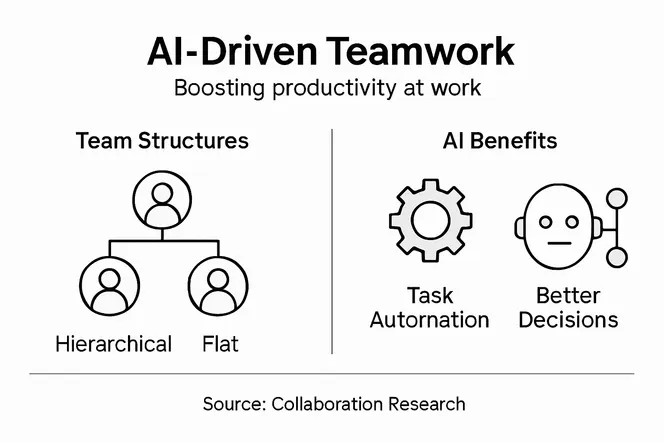
Here’s how key team structures compare on authority, flexibility, and communication flow:
| Team Structure | Authority Level | Flexibility | Communication Flow |
|---|---|---|---|
| Hierarchical | Centralized management | Low adaptability | Formal reporting channels |
| Functional | Departmental leaders | Specialized roles | Intra-departmental focus |
| Matrix | Dual reporting lines | High versatility | Complex, multi-level mix |
| Flat | Minimal supervision | Fast adaptation | Direct peer-to-peer links |
| Circular | Shared leadership | Collaborative focus | Open, cross-level cycles |
Organizational design requires carefully matching team structure to business objectives, industry dynamics, and workplace culture. Successful implementation demands understanding each model’s strengths and potential limitations.
The right team structure transforms individual talents into synchronized organizational performance.
Pro tip: Regularly assess and adapt your team structure to align with evolving business goals and technological capabilities.
Essential Elements of Effective Collaboration
Collaboration is more than simply working together—it’s a sophisticated process of synchronized teamwork that requires intentional strategy and interpersonal skills. Successful collaboration frameworks demand a complex understanding of team dynamics and individual interactions.
The core elements of effective collaboration include:
- Shared Vision: Establishing clear, unified organizational goals
- Trust: Creating psychological safety and mutual respect
- Communication: Developing transparent and open dialogue channels
- Emotional Intelligence: Understanding and managing team member interactions
- Conflict Resolution: Constructively addressing and resolving disagreements
- Role Clarity: Defining individual responsibilities within team context
- Leadership Support: Providing guidance and resources for team success
- Adaptability: Remaining flexible in dynamic work environments
Advanced collaborative environments recognize that teamwork is not about eliminating differences but about leveraging diverse perspectives. Interdisciplinary collaboration research demonstrates that high-performing teams integrate multiple viewpoints to generate innovative solutions.
Effective collaboration transforms individual capabilities into collective intelligence.
Pro tip: Implement quarterly team alignment workshops to continuously refine collaboration strategies and address emerging communication challenges.
Common Teamwork Challenges and Pitfalls
Teamwork, while essential for organizational success, is fraught with complex interpersonal and structural challenges that can undermine collective performance. Common teamwork problems reveal systematic issues that consistently disrupt team effectiveness and organizational productivity.
The most prevalent teamwork challenges include:
- Role Ambiguity: Unclear responsibilities leading to task overlap or neglect
- Communication Breakdowns: Ineffective information sharing and misunderstandings
- Social Loafing: Team members reducing individual effort when working collectively
- Trust Deficits: Lack of psychological safety and interpersonal confidence
- Conflict Mismanagement: Unresolved disagreements that escalate team tensions
- Performance Inequality: Uneven contribution and skill distribution
- Decision-Making Inefficiencies: Slow or compromised group decision processes
Healthcare team research underscores that these challenges are not industry-specific but represent universal team dynamics that require strategic intervention. Successful teams proactively identify and address these potential pitfalls through structured communication, clear expectations, and ongoing skill development.
Recognizing team challenges is the first step toward transforming potential weaknesses into collaborative strengths.
Pro tip: Conduct monthly team health checks to diagnose and preemptively address emerging collaboration challenges before they escalate.
AI and Automation in Team Collaboration
The integration of artificial intelligence into team collaboration represents a transformative shift in how professionals work, communicate, and solve complex problems. Human-AI collaboration frameworks are rapidly evolving, challenging traditional workplace interaction models and introducing unprecedented opportunities for productivity and innovation.
Key areas where AI enhances team collaboration include:
- Task Automation: Reducing repetitive administrative work
- Predictive Analytics: Providing data-driven insights for decision-making
- Communication Optimization: Streamlining information exchange
- Performance Tracking: Generating real-time team productivity metrics
- Skill Gap Identification: Highlighting individual and collective learning needs
- Intelligent Workflow Management: Suggesting process improvements
- Resource Allocation: Optimizing team member assignments
Scientific collaboration research indicates that AI is not replacing human workers but augmenting their capabilities, creating hybrid team environments that leverage both technological efficiency and human creativity.
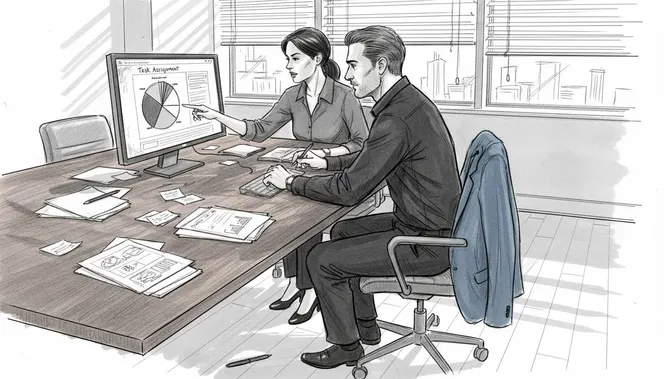
Below is a summary of the main ways AI improves collaborative teamwork:
| AI Capability | Teamwork Benefit | Business Value |
|---|---|---|
| Task Automation | Removes routine tasks | Frees up time for innovation |
| Predictive Analytics | Informs better decisions | Reduces costly errors |
| Communication Optimization | Accelerates team interactions | Speeds up project timelines |
| Skill Gap Identification | Targets specific training needs | Builds stronger team competence |
AI in collaboration is about enhancing human potential, not replacing human intelligence.
Pro tip: Regularly train team members on AI collaboration tools to maximize technological integration and minimize potential resistance.
Enhance Your Teamwork With AI-Driven Productivity Tools
The article highlights key challenges like communication breakdowns, role ambiguity, and the need for AI to boost collaboration and streamline workflows. If your team struggles with these common pitfalls or seeks to harness AI capabilities such as task automation and predictive analytics, it is essential to choose a platform that truly supports these goals. Gammatica.com offers an intuitive, AI-powered project and team management solution designed specifically to reduce administrative burdens and enhance collaboration with features like Kanban boards, automated checklists, and seamless calendar coordination.
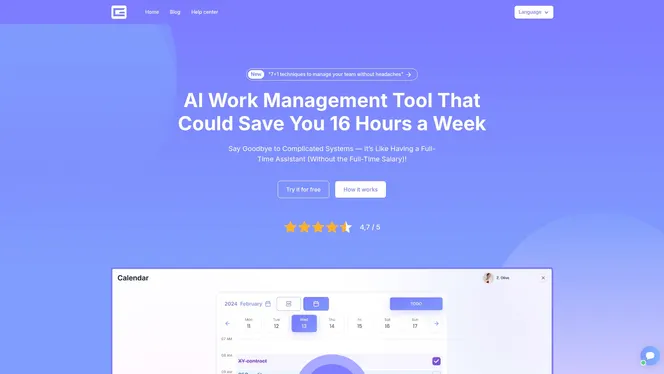
Experience firsthand how Gammatica empowers your team to transform diverse talents into synchronized success. Unlock up to 16 hours each week saved by intelligent AI suggestions and optimize your workflows with integrations like Make.com. Ready to overcome the teamwork challenges discussed in the article and drive your business forward? Visit Gammatica’s platform today and see how streamlined team collaboration and automation can elevate your productivity to new heights.
Frequently Asked Questions
What is the importance of teamwork in the workplace?
Teamwork is crucial in the workplace as it allows multiple professionals to collaborate, combine their skills, and work towards shared organizational objectives, enhancing performance and driving innovation.
How can AI enhance team collaboration?
AI enhances team collaboration by automating repetitive tasks, providing predictive analytics for better decision-making, optimizing communication, tracking performance, identifying skill gaps, and improving workflow management.
What are some common challenges faced in teamwork?
Common challenges in teamwork include role ambiguity, communication breakdowns, social loafing, trust deficits, conflict mismanagement, performance inequality, and decision-making inefficiencies.
How can organizations promote effective teamwork?
Organizations can promote effective teamwork by establishing a shared vision, fostering trust and open communication, clearly defining roles, supporting leadership, and encouraging adaptability throughout team dynamics.