Event coordinators spend countless hours creating documents that follow similar patterns yet require unique customization for each occasion. Traditional templates force you to manually adjust every detail, wasting time on repetitive formatting and structure. AI document generation saves event planners 10-15 hours per event by automating these tedious tasks while maintaining the flexibility you need. This guide shows you exactly how to leverage AI-powered event coordinator templates to transform your planning workflow, reduce administrative burden, and deliver exceptional events with precision and efficiency.
Key takeaways
| Point | Details |
|---|---|
| Time efficiency | AI templates reduce planning time by up to 30% through intelligent automation of repetitive document tasks. |
| Customization control | Templates adapt dynamically to different event types while maintaining your organizational standards and preferences. |
| Human oversight required | AI assists with structure and suggestions but coordinators provide essential judgment and quality control. |
| Workflow optimization | Structured AI-driven processes improve team collaboration and resource allocation across all event phases. |
| Predictive capabilities | Advanced analytics help forecast potential issues and optimize vendor scheduling before problems arise. |
Why AI-powered event coordinator templates are a game-changer
You know the drill. Every event requires similar documents: vendor contracts, timelines, budget spreadsheets, attendee communications, and post-event reports. The structure stays consistent, but the details change constantly. Traditional templates force you to open last month’s file, delete old information, and manually update every field. This approach consumes hours you could spend on strategic planning or client relationships.

AI-powered templates eliminate this repetitive work by automating the structural foundation while preserving customization options. The system learns from your historical event data, recognizes patterns in your planning style, and generates documents that already incorporate your preferred formatting, language, and organizational logic. You input basic event parameters like date, venue, budget range, and attendee count. The AI instantly produces customized schedules, checklists, and communication templates tailored to those specifications.
Static templates cannot adapt to variable event parameters without manual intervention. A corporate conference template poorly serves a wedding coordinator, and a 50-person gathering requires different resource allocation than a 500-attendee festival. AI algorithms analyze event type, scale, industry, and historical performance data to personalize every document element. The technology recognizes that outdoor events need weather contingency plans, virtual events require technical support protocols, and multi-day conferences demand detailed accommodation logistics.
Pro Tip: Start with a smaller event to test your AI template system before deploying it for major projects, allowing you to refine outputs and build confidence in the technology.
Here’s what AI templates handle automatically:
- Generate customized vendor contact lists based on event type and location
- Create timeline templates that adjust task sequences for different event formats
- Produce budget breakdowns reflecting industry-standard cost ratios for your event category
- Draft attendee communications with appropriate tone and detail level for your audience
The critical distinction between AI assistance and full automation deserves emphasis. AI provides intelligent scaffolding and suggestions, but human coordinators must review outputs for accuracy, appropriateness, and alignment with client expectations. The technology excels at pattern recognition and data processing. You excel at nuanced judgment, relationship management, and creative problem solving. Effective implementation combines both strengths.
“AI document workflows transform event planning by handling repetitive structure while coordinators focus on strategic decisions and personalized client service.”
Preparing to use your event coordinator template effectively
Successful AI template implementation begins well before you generate your first document. You need quality input data for the system to produce quality outputs. Gather historical event files including timelines, budgets, vendor lists, and attendee feedback from at least three to five past events. The AI analyzes these examples to understand your organizational patterns, preferred vendors, typical budget allocations, and common challenges.

Identify the specific event types you coordinate most frequently. Corporate meetings, weddings, fundraisers, conferences, and product launches each follow distinct patterns requiring specialized template structures. Customizing AI templates to specific event types dramatically improves output relevance and reduces the revision time you spend adjusting generic suggestions. Document the unique requirements for each category: corporate events need detailed AV specifications, weddings require ceremony timelines, fundraisers demand donor recognition protocols.
Choosing the right AI platform matters significantly. Evaluate tools based on these essential capabilities:
- Task automation features that integrate with your existing calendar and communication systems
- Predictive analytics that forecast resource needs based on event parameters
- Customization options allowing you to define organizational standards and preferences
- Collaboration tools enabling team members to access and update shared documents
- Integration compatibility with your current project management and CRM platforms
Prepare standard event detail categories you’ll input consistently. Create a master list including venue information, typical vendor categories, budget range brackets, attendee demographic profiles, and common event components. Standardizing these inputs helps the AI recognize patterns and generate more accurate suggestions. For example, if you always categorize budgets as small (under $10,000), medium ($10,000 to $50,000), or large (over $50,000), the system learns appropriate resource allocations for each tier.
Pro Tip: Create a simple intake form capturing essential event details in a consistent format, making it easy to feed information into your AI template system quickly and accurately.
Understand how AI optimization suggestions work before relying on them. The technology analyzes historical data to identify efficiency patterns, cost-saving opportunities, and risk factors. If past outdoor events scheduled in April frequently faced weather issues, the system might suggest earlier setup times or additional tent coverage. If certain vendors consistently delivered late, the AI could recommend earlier booking deadlines or alternative suppliers. Review these suggestions critically, considering factors the algorithm cannot assess like vendor relationship quality or client-specific preferences.
| Preparation Element | Purpose | Example |
|---|---|---|
| Historical data | Train AI on your patterns | Past 5 event timelines and budgets |
| Event categories | Enable specialized templates | Corporate, social, fundraising |
| Vendor database | Automate contact lists | Preferred caterers, AV teams, venues |
| Standard inputs | Ensure consistent AI training | Budget tiers, attendee ranges, event duration |
Step-by-step guide to executing event planning with AI-driven templates
Begin by inputting core event parameters into your AI template system. Enter the event date, venue location, estimated attendee count, budget range, and event type classification. Include any special requirements like dietary restrictions, accessibility needs, technical equipment, or specific client requests. The more detailed your initial input, the more precisely the AI customizes its outputs. Most platforms offer dropdown menus and standardized fields to streamline this data entry process.
The AI generates your foundational documents within seconds. You receive customized timelines showing task sequences with recommended completion dates, vendor contact lists organized by category and proximity to your venue, budget spreadsheets allocating funds based on industry standards for your event type, and communication templates for invitations, confirmations, and follow-ups. AI-driven templates significantly reduce planning time while improving organizational consistency across multiple events.
Review every AI-generated output carefully before finalizing. Check timeline sequences for logical flow and adequate buffer time between dependent tasks. Verify vendor suggestions against your current relationships and any client-specified preferences. Examine budget allocations for alignment with actual market rates in your region and any cost constraints your client communicated. Adjust language in communication templates to match your brand voice and the event’s formality level. This review process typically takes 30 to 45 minutes compared to the three to four hours required to build these documents manually.
Pro Tip: Create a standard review checklist covering timeline logic, vendor accuracy, budget realism, and communication tone to ensure you catch potential issues before they impact your event.
Here’s your execution sequence:
- Input event parameters and special requirements into the AI system
- Generate initial document set including timeline, budget, and vendor lists
- Review outputs for accuracy and alignment with client expectations
- Customize AI suggestions based on relationship factors and unique needs
- Share documents with your team and assign responsibilities
- Use AI monitoring to track task completion and flag potential delays
- Generate automated status updates and reminders for vendors and stakeholders
Leverage AI predictive capabilities throughout the planning process. The system analyzes your timeline and resource allocations to identify potential bottlenecks or conflicts. If your caterer’s delivery window overlaps with venue setup completion, the AI flags this scheduling risk. If historical data shows certain tasks consistently take longer than estimated, the algorithm suggests earlier start dates. These insights help you proactively address issues rather than reactively solving problems as they emerge.
Automate repetitive communication and documentation tasks to free your time for strategic coordination. Set up AI-generated reminder sequences for vendor deliveries, payment deadlines, and client approvals. Configure automatic status reports that compile task completion data and send updates to stakeholders weekly. Use template-based responses for common attendee questions while personalizing communications for VIP guests or complex inquiries. This automation maintains consistent touchpoints without demanding constant manual effort.
| Planning Phase | AI Template Function | Coordinator Role |
|---|---|---|
| Initial setup | Generate timeline and budget framework | Input parameters and special requirements |
| Vendor coordination | Suggest contacts and create communication templates | Review relationships and finalize selections |
| Task management | Track completion and flag delays | Resolve issues and adjust priorities |
| Risk mitigation | Identify scheduling conflicts and resource gaps | Implement contingency plans |
Troubleshooting common issues and ensuring successful outcomes
The biggest mistake coordinators make is treating AI outputs as final products rather than intelligent first drafts. Over-reliance on AI without human oversight creates problems when the system suggests vendors you’ve never vetted, timelines that ignore venue-specific constraints, or budgets that don’t reflect current market conditions. Always apply your professional judgment and local knowledge to refine AI-generated documents before implementation.
Generic templates produce mediocre results regardless of the technology powering them. If your AI system generates identical vendor lists for a corporate product launch and a nonprofit fundraiser, the templates lack sufficient customization parameters. Invest time upfront defining event type characteristics, creating detailed category specifications, and training the AI on your organizational standards. The initial setup effort pays dividends through increasingly accurate outputs over time.
Update your templates continuously based on real event outcomes and feedback. After each event, document what worked well and what created challenges. Did the AI-suggested setup timeline provide adequate buffer time, or did you need to rush final preparations? Were recommended vendor quantities appropriate, or did you over-order supplies? Feed this performance data back into your AI system so future templates incorporate these learnings. Template refinement is an ongoing process, not a one-time configuration.
Pro Tip: Schedule monthly template review sessions where you and your team analyze recent events, identify pattern improvements, and update AI parameters to reflect new insights and market changes.
Team training determines whether AI tools enhance or hinder your workflow. Everyone using the system needs clear understanding of:
- What AI does well (pattern recognition, data processing, structure automation)
- What requires human judgment (relationship management, creative solutions, quality assessment)
- How to input data for optimal outputs
- When to override AI suggestions based on situational factors
Common problems emerge when coordinators either blindly follow AI recommendations or completely ignore valuable suggestions. The technology identifies patterns across hundreds of events that individual coordinators might miss. If the AI consistently suggests earlier vendor booking for summer events, historical data probably shows supply shortages during peak season. Conversely, if the system recommends a caterer you know struggled with a previous event, your direct experience should override the algorithmic suggestion.
Balance AI efficiency with coordinator expertise by establishing clear decision frameworks. Use AI for data-heavy tasks like budget calculations, timeline generation, and pattern analysis. Rely on human judgment for relationship-dependent decisions like vendor selection, client communication tone, and creative problem solving. This division of labor maximizes the strengths of both AI capabilities and human skills.
“Successful AI implementation combines algorithmic efficiency with human judgment, creating event planning workflows that are both faster and more thoughtful than either approach alone.”
Discover Gammatica’s AI-powered tools for event coordinators
You’ve learned how AI templates transform event planning workflows. Now take your coordination capabilities further with Gammatica, an AI-driven platform specifically designed to streamline project and team management for event professionals. The system automates document workflows, enhances team visibility across complex event timelines, and integrates seamlessly with the coordinator templates you’re already using.
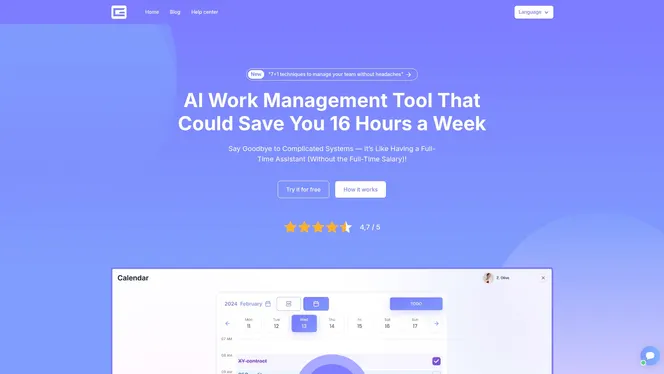
Gammatica’s AI suggestions analyze your event data to recommend optimal resource allocations, predict potential scheduling conflicts, and generate customized checklists for every event phase. The platform supports various industries and event types, offering pre-made templates you can customize while maintaining the flexibility to create specialized workflows for unique client needs. Founders and team leaders particularly value the time savings, with users reporting hours every week freed from administrative tasks. Explore how Gammatica’s automation, calendar coordination, and collaboration tools can elevate your event planning efficiency and deliver consistently exceptional client experiences.
Frequently asked questions
How do AI event coordinator templates differ from traditional ones?
AI templates dynamically adjust based on event data you input, automatically customizing timelines, budgets, and vendor lists for each unique occasion. Traditional templates require manual updates to every field, forcing you to delete old information and type new details repeatedly. AI systems learn from your historical events and organizational patterns, generating outputs that already reflect your preferences and standards. This intelligent adaptation saves hours per event while maintaining consistency across your planning documents.
Can AI-powered templates fully replace event coordinators?
No, AI tools augment coordinator expertise but cannot replace the human judgment essential for successful events. The technology excels at pattern recognition, data processing, and automating repetitive document tasks. However, relationship management, creative problem solving, client communication nuance, and situational decision making require human skills that AI cannot replicate. Effective implementation combines AI efficiency for structural tasks with coordinator expertise for strategic planning and personalized service.
What are the best practices for customizing AI event templates?
Use historical event data from at least three to five past projects to train your AI system on your organizational patterns and preferences. Regularly update templates after each event based on what worked well and what created challenges, feeding performance insights back into the system. Collaborate with team members to ensure templates reflect collective expertise and organizational standards rather than individual preferences. Define clear event type categories with specific requirements so the AI generates appropriately specialized outputs for corporate meetings, social celebrations, and fundraising events.
How long does it take to see efficiency gains from AI templates?
Most coordinators notice immediate time savings of two to three hours per event once they complete initial system setup and training. However, the full efficiency potential emerges after using the platform for three to five events, when the AI has sufficient data to recognize your patterns and generate increasingly accurate suggestions. Expect to invest four to six hours upfront configuring event categories, inputting historical data, and training team members. This initial effort typically pays back within your first two to three AI-assisted events through reduced document creation and revision time.