Standardized employment letters speed hiring by 15% and cut legal review time by 20%. For HR professionals managing multiple offers simultaneously, these templates transform chaos into clarity while reducing legal risks and improving candidate experience. This guide delivers battle-tested frameworks, essential components, and customization strategies that turn form letters into powerful hiring tools.
Key takeaways
| Point | Details |
|---|---|
| Speed and efficiency | Templates reduce offer acceptance time by 15% and minimize legal review by 20%. |
| Legal protection | Clear letters reduce employment disputes and clarify expectations from day one. |
| Essential components | Include job title, compensation, start date, benefits, and contingencies in every letter. |
| Customization impact | Tailored templates improve candidate experience and can increase retention by 25%. |
| Foundation for success | Well-structured letters set expectations and safeguard your company against misunderstandings. |
Why employment form letters matter for HR professionals
Employment form letters are formal documents that outline key employment terms for chosen candidates. They serve as the bridge between verbal offers and signed contracts, setting clear expectations before the first day of work. When you implement standardized employment offer letter templates, you reduce offer acceptance time by 15% and minimize legal review time by 20%.
These letters deliver immediate operational benefits. Standardized templates eliminate repetitive drafting work, reduce errors, and ensure consistency across departments. You avoid the productivity drain of recreating documents from scratch for each hire.
The legal protection factor cannot be overstated. Offer letters significantly reduce employment disputes by clarifying terms and expectations upfront. When candidates understand their role, compensation, and responsibilities before accepting, disputes become rare.
“Clear employment letters create a foundation of trust that carries through the entire employee lifecycle, from onboarding through performance reviews.”
These letters shape first impressions. Candidates judge your organization’s professionalism and attention to detail based on how you present offers. A polished, comprehensive letter signals that you value clarity and respect their decision-making process. This impression influences acceptance rates and sets the tone for the employment relationship.
Key benefits for mid-sized companies:
- Faster hiring cycles with consistent documentation
- Reduced legal exposure through standardized language
- Improved candidate confidence and acceptance rates
- Streamlined onboarding when expectations are pre-set
- Better employee retention when terms are clear from the start
Proper employment letters improve onboarding reliability by eliminating confusion about start dates, reporting structures, and initial responsibilities. When new hires arrive knowing exactly what to expect, they integrate faster and perform better from day one.

Key components of an effective employment form letter
Every employment form letter requires specific elements to function properly. Including job title, start date, and compensation sets clear boundaries and prevents misunderstandings that lead to disputes.

Start with the basics that define the employment relationship. Job title clarifies the position and sets expectations for responsibilities. Start date eliminates confusion about when the candidate should appear for work. Compensation details including salary, hourly rate, or commission structure must be stated precisely with payment frequency clearly noted.
A standard offer letter contains salary, benefits, work schedule, reporting structure, and termination conditions. These elements work together to create a complete picture of the employment arrangement.
| Essential element | Purpose and benefit |
|---|---|
| Job title and department | Defines role scope and organizational placement |
| Compensation details | Specifies salary, bonuses, payment schedule |
| Start date and schedule | Sets expectations for availability and hours |
| Benefits overview | Outlines health insurance, PTO, retirement plans |
| Reporting structure | Clarifies chain of command and accountability |
| Employment contingencies | Lists background checks, I-9, drug screening requirements |
| At-will status | Protects employer flexibility in employment decisions |
Benefits deserve careful attention. List health insurance options, retirement plan eligibility, paid time off policies, and any unique perks your company offers. Candidates weigh total compensation, not just salary, when making decisions.
Contingencies protect your organization from bad hires. Clearly state that the offer depends on satisfactory background checks, reference verification, drug screening, or I-9 completion. This transparency prevents awkward situations when issues arise during pre-employment screening.
Reporting structure clarifies who the new hire answers to and where they fit in the organizational hierarchy. This simple detail prevents confusion on day one and helps candidates visualize their place in the team.
Work schedule specifics matter more than many HR professionals realize. State whether the position is full-time or part-time, expected hours, remote work policies, and any flexibility or restrictions. Candidates need this information to evaluate work-life balance.
Critical inclusions that protect your company:
- At-will employment statement
- Confidentiality and non-disclosure requirements
- Intellectual property assignment clauses
- Non-compete or non-solicitation terms where applicable
- Reference to employee handbook and policies
Pro Tip: Include a clear expiration date for the offer (typically 5-7 business days). This creates urgency while giving candidates reasonable time to decide, preventing indefinite limbo that stalls your hiring pipeline.
The signature block should include spaces for both the candidate and an authorized company representative. This formalizes acceptance and creates a clear record of agreement.
Common pitfalls and how to avoid mistakes when creating employment form letters
Poorly written job offer letters lead to misunderstandings, compliance issues, or legal claims. The most expensive mistakes stem from what you leave out or phrase ambiguously.
Missing start dates create immediate problems. Candidates arrive on different days, HR scrambles to prepare workstations, and onboarding becomes chaotic. Always specify the exact start date or provide a clear process for determining it.
Unclear probation terms confuse new hires about their status and benefits eligibility. State probation length explicitly, explain how it affects benefits, and clarify evaluation criteria. Vague language like “initial period” invites disputes.
Ambiguous compensation wording ranks among the most dangerous errors. Omitting key information or phrasing it ambiguously exposes companies to disputes. Writing “competitive salary” means nothing legally. State the exact amount, payment frequency, and any conditions that affect pay.
Legal risks multiply when you accidentally create contractual obligations. Avoid language that implies guaranteed employment duration or promises about future raises. Stick to factual statements about current terms.
“The difference between a protective offer letter and a legal liability often comes down to a single ambiguous phrase that seemed harmless during drafting.”
Misclassification errors carry serious consequences. Labeling someone as an independent contractor when they should be an employee triggers tax penalties and legal exposure. Consult legal counsel when classification is unclear.
Frequent mistakes to avoid:
- Copying outdated templates without updating legal language
- Failing to specify exempt or non-exempt status under FLSA
- Omitting state-specific requirements for offer letters
- Making verbal promises that contradict written terms
- Using jargon or complex legal terms candidates cannot understand
- Forgetting to update benefits information when policies change
Inconsistent formatting across departments damages your employer brand. Create approved templates that everyone uses to maintain professional standards.
Pro Tip: Establish a quarterly review cycle for all employment letter templates. Labor laws change, benefits evolve, and outdated language creates unnecessary risk. Assign one HR team member to own template maintenance and coordinate legal reviews.
Simple, clear language protects you better than complex legal jargon. Write at a 10th grade reading level so every candidate understands their terms. When legal terms are necessary, define them plainly.
Digital signatures introduce new compliance considerations. Ensure your e-signature platform meets legal requirements in your jurisdiction and maintains proper records of acceptance.
Customizing templates to improve candidate experience and hiring outcomes
Customizing templates saves time, ensures consistency, and enhances candidate experience by including helpful details that generic forms miss. The difference between adequate and excellent lies in thoughtful personalization.
Follow these steps to effectively customize your employment form letters:
- Start with legally vetted base templates for each job category
- Insert role-specific responsibilities and performance expectations
- Add department-specific details like team size and key projects
- Update benefits information to reflect current offerings and eligibility dates
- Include location-specific details about parking, building access, or remote work policies
- Personalize the opening paragraph with references to the interview conversation
- Add manager name and contact information for pre-start questions
- Include first-week schedule or onboarding agenda overview
Improving candidate experience increases new hire retention by 25%. This return on investment comes from making candidates feel valued and informed from their first official interaction.
| Aspect | Standard template | Customized template |
|---|---|---|
| Candidate engagement | Generic, transactional tone | Personal, welcoming approach |
| Information depth | Minimum legal requirements only | Role context and team details |
| Preparation level | Candidate unsure what to expect | Clear picture of first days |
| Acceptance speed | Slower as candidates seek clarification | Faster due to comprehensive information |
| Retention impact | Baseline retention rates | Up to 25% improvement in retention |
| Legal protection | Standard compliance coverage | Enhanced clarity reduces disputes |
Candidate-focused letters build trust before employment begins. When you reference specific interview discussions or acknowledge unique qualifications, candidates feel seen and valued. This emotional connection increases acceptance rates and early engagement.
Practical customization elements that make a difference:
- Welcome message from the hiring manager or team
- Brief overview of the first project or assignment
- Introduction to key team members they will work with
- Explanation of training and onboarding schedule
- Details about company culture or team traditions
- Information about mentorship or buddy programs
Local law compliance requires attention during customization. Different states and cities impose specific requirements for offer letters. Build location-based checklists into your template system to ensure nothing gets missed.
Pro Tip: Implement e-signature platforms and digital delivery to streamline the acceptance process. Candidates can review, sign, and return offers from their phones within minutes rather than waiting for postal mail. This speed reduces the window for competing offers to arrive and improves your acceptance rates.
Track which customization elements correlate with faster acceptances and better retention. Use this data to refine templates over time. You might discover that certain details or formatting choices resonate particularly well with your candidate pool.
Create tiered templates based on position level. Entry-level offers need different emphasis than executive packages. Senior candidates expect more detail about strategic direction and growth opportunities.
Streamline your hiring with Gammatica’s AI-powered tools
Managing employment letters alongside countless other HR tasks drains productivity. You need systems that automate repetitive work while maintaining personalization and compliance.
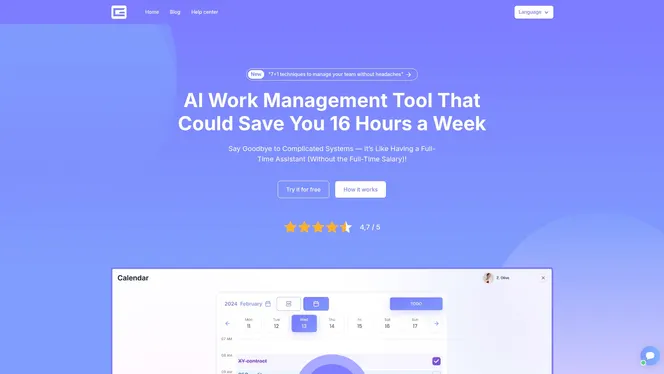
Gammatica’s sales automation platform adapts to HR workflows, handling template management, candidate tracking, and document generation. The AI suggests optimizations based on your hiring patterns and success rates.
Gammatica AI brings intelligent automation to your entire hiring pipeline. Templates update automatically with current legal language, benefits information flows from your HRIS, and candidate data populates letters without manual entry. You reclaim hours every week for strategic work while reducing errors that create legal exposure. The platform’s checklist features ensure nothing gets missed, from contingency requirements to signature collection, transforming chaotic hiring into systematic success.
Frequently asked questions
What is an employment form letter?
An employment form letter is a formal written document that outlines key terms and conditions for a candidate who has been selected for a position. It summarizes job title, compensation, start date, benefits, and contingencies in a standardized format. Unlike a full employment contract, it sets basic expectations without extensive legal detail.
How do employment form letters differ from employment contracts?
Employment form letters provide a summary of key terms and serve as an offer, while employment contracts are comprehensive legal documents that detail all aspects of the employment relationship. Form letters are typically shorter, less detailed, and used primarily in at-will employment situations. Contracts include extensive provisions about duties, termination, intellectual property, and legal remedies that form letters omit.
Why should HR professionals use templates for employment form letters?
Templates save significant time by eliminating repetitive drafting work for each new hire. They ensure consistency across departments, reduce legal risk through standardized vetted language, and minimize errors that occur when creating documents from scratch. Standardized templates also speed the legal review process since counsel only needs to approve the template once rather than reviewing every individual letter.
What makes an employment form letter effective?
Effective employment letters include all essential information clearly and concisely: job title, compensation details, start date, benefits overview, reporting structure, and any contingencies. They use simple language candidates can understand, avoid ambiguity that creates disputes, and strike a professional yet welcoming tone. The best letters also include helpful context about the role and team that improves candidate experience and acceptance rates.
How can customizing employment form letters improve hiring outcomes?
Customization improves candidate experience by making offers feel personal rather than generic, which increases acceptance rates and early engagement. Adding role-specific details, team information, and first-week context helps candidates visualize success in the position. Research shows that improving candidate experience through thoughtful communication can improve new-hire retention, delivering substantial return on the small time investment required for customization.
When should employment form letters be sent to candidates?
Send employment form letters immediately after making a verbal offer and receiving initial verbal acceptance. This timing capitalizes on candidate excitement while the position is top of mind. Include a clear expiration date of 5-7 business days to create appropriate urgency without pressure. Faster delivery reduces the risk of candidates receiving competing offers during the decision window.