Over 70% of project delays stem from poor communication among stakeholders, yet many leaders still operate without structured communication plans. This guide shows business leaders and managers how to design communication plans that boost clarity, reduce misunderstandings by 50%, and increase project success rates. You’ll learn core elements, frameworks like RACI and DACI, and how to leverage technology to save hours every week while improving team collaboration and operational efficiency.
Key takeaways
| Point | Details |
|---|---|
| Strategic alignment | Well-designed communication plans align messaging with project goals, increasing success rates by 25%. |
| Core components | Essential elements include objectives, stakeholder analysis, messaging strategy, channel selection, timing schedules, and feedback mechanisms. |
| Framework selection | RACI and DACI frameworks reduce role confusion by 60%, while templates accelerate planning for smaller initiatives. |
| Technology leverage | AI automation and integration tools cut planning time by 40% and improve response rates by 25%. |
| Measurement focus | Tracking KPIs like response time, delivery speed, and engagement scores drives continuous improvement and 20% productivity gains. |
Core elements of a communication plan
Every effective communication plan starts with clearly defined objectives. Your communication goals must align directly with project outcomes, whether you’re launching a product, managing organizational change, or coordinating cross-functional teams. Without this alignment, even the most elaborate messaging efforts fall flat.
Stakeholder identification comes next. Map every person or group affected by your project, from executives to end users. Tailor your messages to each audience’s information needs, decision-making authority, and preferred communication style. A framework combining objectives, stakeholder analysis, messaging, channels, and timing increases clarity by 50%.

Key message development requires precision. Craft 3 to 5 core messages that capture your project’s value proposition, status updates, and action items. These messages should remain consistent across all channels while adapting tone and detail level for different audiences.
Channel selection determines reach and engagement. Consider these factors:
- Audience preferences and accessibility
- Message complexity and urgency
- Documentation requirements
- Two-way communication needs
- Integration with existing tools
Timing and frequency matter more than you think. Schedule communications around project milestones, decision points, and stakeholder availability. Weekly updates work for most ongoing projects, while critical changes demand immediate notification. Overcommunicating during launches prevents information gaps, but regular cadences prevent alert fatigue.
Feedback loops close the circle. Build mechanisms for stakeholders to ask questions, raise concerns, and confirm understanding. Regular pulse checks reveal communication breakdowns before they derail projects, enabling quick course corrections.
Common misconceptions and pitfalls in communication planning
Many leaders believe communication plans only serve large, complex projects. This misconception costs teams dearly. Research shows a communication plan benefits all project sizes, from two-person sprints to enterprise transformations. Small teams actually gain proportionally more from structured communication because they have fewer resources to waste on clarification cycles.
Another myth suggests multiple channels dilute your message. The opposite proves true when channels work in concert. Email provides documentation, instant messaging enables quick decisions, and video calls build relationships. Coordinated multi-channel strategies increase message retention and reach different learning styles simultaneously.
Ignoring stakeholder mapping creates misalignment disasters. When you blast identical messages to executives and frontline staff, neither group gets what they need. Executives want strategic implications, while implementers need procedural details. Mapping stakeholders by information needs, authority levels, and engagement frequency prevents this waste.
Pro Tip: Create a stakeholder matrix with columns for role, information needs, preferred channels, and update frequency. Update it monthly as project dynamics shift.
Over-communication sounds impossible but happens frequently. Sending daily status emails for routine projects trains teams to ignore your messages. Information overload reduces actual engagement and buries critical updates in noise. Match communication frequency to project pace and stakeholder requests, not arbitrary schedules.
Neglecting measurement stalls improvement. Without tracking response times, clarity scores, or engagement rates, you can’t identify what works. Many teams launch communication plans then never evaluate effectiveness, missing opportunities to refine approaches and demonstrate ROI. Data-driven iteration separates good plans from great ones.
Communication frameworks: comparison and best practices
RACI matrices provide the gold standard for role clarity in communication planning. This framework assigns four roles for every task or decision: Responsible (does the work), Accountable (owns the outcome), Consulted (provides input), and Informed (receives updates). RACI and DACI reduce role confusion by 60%, eliminating the “I thought you were handling that” syndrome.
DACI adds decision authority to the mix, particularly valuable for complex choices requiring clear ownership. The Driver leads the effort, Approver makes the final call, Contributors provide input, and Informed parties receive updates. Use DACI when decision-making authority matters more than task execution, such as strategic planning or vendor selection.
Standard templates offer speed for straightforward projects. Pre-built communication plan templates include common sections, sample schedules, and channel recommendations. They work beautifully for recurring project types like quarterly business reviews or product launches where communication patterns stay consistent.
| Framework | Best For | Key Strength | Limitation |
|---|---|---|---|
| RACI | Large projects with multiple teams | Clear task ownership and accountability | Can become unwieldy with too many tasks |
| DACI | Complex decisions requiring authority clarity | Explicit decision rights | Less useful for ongoing operational communication |
| Templates | Small, recurring, or simple projects | Speed and standardization | Limited flexibility for unique situations |
Pro Tip: Start with a template for your first communication plan, then customize based on stakeholder feedback and project complexity. This approach balances speed with relevance.
Framework choice depends on three factors: project size, decision complexity, and team familiarity. Small teams with clear hierarchies often thrive with simple templates. Matrix organizations with overlapping responsibilities need RACI clarity. Cross-functional initiatives involving major resource commitments benefit from DACI’s explicit authority assignment.
Leveraging technology and automation in communication plans
Automation transforms communication planning from administrative burden to strategic advantage. AI-powered tools cut planning time by up to 40% by generating stakeholder matrices, suggesting communication schedules, and drafting initial messages based on project parameters. This efficiency lets you focus on strategy rather than logistics.
Artificial intelligence improves response rates by 25% through intelligent timing, personalization, and channel optimization. AI analyzes past communication patterns to recommend when stakeholders are most likely to engage, which message formats generate responses, and how to segment audiences for maximum relevance.
Templates standardize messaging while reducing errors. Pre-approved message frameworks ensure consistent branding, tone, and required information elements across all project communications. Teams save hours per week by starting from tested templates rather than blank pages, and quality improves through built-in best practices.
Key automation opportunities include:
- Scheduled status updates triggered by project milestones
- Automated stakeholder notifications for task assignments
- AI-generated meeting summaries and action items
- Response tracking and follow-up reminders
- Communication volume analytics and recommendations
Integration with platforms like project management systems eliminates duplicate data entry and keeps communications synchronized with project reality. When your communication tools connect directly to task boards, calendars, and document repositories, messages automatically reflect current status without manual updates.
Scheduling and feedback automation ensures timely communications without constant manual intervention. Set up recurring update cycles, automatic escalation for overdue responses, and scheduled feedback collection. This consistency builds trust and ensures no stakeholder gets forgotten during busy project phases.
Measuring and optimizing communication plans
Effective measurement starts with the right KPIs aligned to business outcomes. Track how communication plans impact project delivery speed, error rates, and stakeholder satisfaction rather than vanity metrics like email open rates. Improved project velocity by 15% matters more than 80% open rates that don’t drive action.
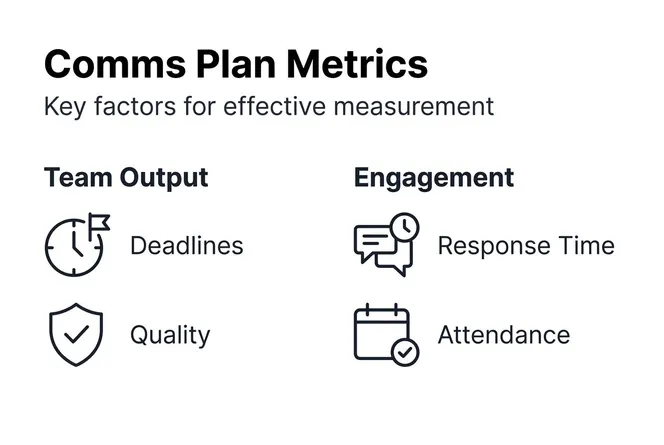
Response time metrics reveal communication efficiency. Measure average time from message sent to stakeholder response, broken down by channel and audience type. Faster responses indicate clear messaging and appropriate channel selection. Slow responses signal confusion, wrong channels, or poor timing.
Message clarity assessment requires direct feedback. Survey stakeholders quarterly on whether communications provide needed information, arrive at useful times, and enable informed decisions. Clarity scores below 7 out of 10 demand immediate message revision or channel adjustment.
Follow this measurement process:
- Establish baseline metrics before implementing your communication plan
- Define target improvements for each KPI based on project goals
- Collect data weekly through automated tools and monthly through surveys
- Analyze trends to identify what’s working and what needs adjustment
- Update your plan quarterly based on data insights and stakeholder feedback
Team engagement scores indicate whether communications energize or exhaust your audience. Track meeting attendance rates, discussion participation, and voluntary information sharing. Rising engagement suggests your plan resonates, while declining scores signal information overload or irrelevant content.
Communication volume reductions demonstrate efficiency gains. As your plan matures, you should need fewer messages to achieve better outcomes. Measure total communication volume against project outcomes. A 20% reduction in messages combined with 15% faster delivery indicates optimized communication.
Continuous measurement increases productivity by 20% through iterative refinement. Teams that track communication effectiveness and adapt plans monthly outperform those who set-and-forget. Regular optimization catches emerging issues early and capitalizes on successful approaches before momentum fades.
Practical applications and case studies
A mid-sized software company implemented a structured communication plan for their product development teams, resulting in measurable operational improvements. The plan established clear stakeholder roles, weekly update cadences, and dedicated Slack channels for different communication types. Within three months, internal emails dropped by 35% while project clarity scores jumped from 6.2 to 8.7 out of 10.
Projects moved faster with the structured approach because teams spent less time seeking information and more time executing. Morning standup efficiency improved when everyone arrived knowing current priorities and blockers through automated overnight summaries. Decision-making cycles shortened from days to hours with clear DACI authority assignments.
Adaptive communication plans demonstrate particular value during scope changes. One consulting firm regularly updated their plans to reduce scope creep by 28% by ensuring all stakeholders immediately understood and acknowledged changes. Real-time impact assessments and revised timelines went out within 24 hours of any scope adjustment.
“Our communication plan transformed how we work. Instead of endless email chains and confused stakeholders, everyone knows exactly what they need to know, when they need to know it. We’ve reclaimed hours every week that used to go toward clarification meetings.” – Sarah Chen, VP of Operations
| Metric | Before Plan | After Plan | Improvement |
|---|---|---|---|
| Internal emails per week | 847 | 551 | 35% reduction |
| Project delivery time | 8.2 weeks | 7.0 weeks | 15% faster |
| Stakeholder clarity score | 6.2/10 | 8.7/10 | 40% increase |
| Scope change incidents | 18 per quarter | 13 per quarter | 28% reduction |
The data reveals consistent patterns across industries and company sizes. Organizations that invest in structured communication planning see immediate returns in efficiency, clarity, and stakeholder satisfaction. These improvements compound over time as teams internalize communication best practices and refine their approaches based on measurement data.
Boost your communication with Gammatica solutions
Effective communication planning requires the right tools to automate routine tasks and maintain consistency across channels. Gammatica AI delivers AI-powered automation that generates communication schedules, drafts stakeholder updates, and suggests optimal timing based on your project patterns. Teams using Gammatica report saving hours every week on communication administration.
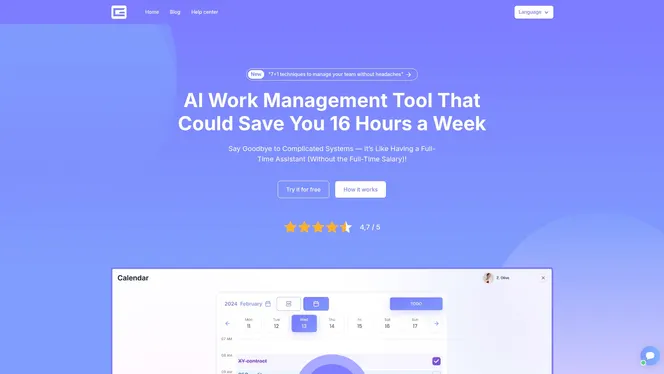
Gammatica Sales streamlines communication for customer-facing teams by integrating messaging with CRM workflows, ensuring every stakeholder interaction gets documented and followed up appropriately. The platform’s pre-built templates and Make.com integrations let you deploy communication plans in hours rather than weeks, while built-in analytics track effectiveness in real time. Whether managing internal projects or customer relationships, Gammatica’s unified platform eliminates communication gaps that derail success.
FAQ
What is a communications plan and why is it important?
A communications plan defines structured messaging strategies aligned to project goals and stakeholder needs. It ensures timely, clear, and relevant information reaches the right people through appropriate channels, reducing delays and misunderstandings.
How do I choose the right communication framework for my project?
Small or simple projects benefit from standard templates that provide quick structure. Complex projects with multiple decision points suit DACI frameworks for explicit authority assignment. Large projects with many teams gain clarity from RACI matrices that define roles and responsibilities.
What metrics should I track to measure communication effectiveness?
Track response time from message delivery to stakeholder action, clarity scores from regular feedback surveys, and project delivery improvements compared to baseline. Team engagement scores and communication volume reductions also indicate plan optimization.
How often should I update my communication plan?
Review your plan monthly during active projects to adjust for changing stakeholder needs and communication patterns. Conduct thorough quarterly reviews using measurement data to refine channels, timing, and messaging approaches for continuous improvement.