TL;DR:
- A well-crafted software proposal begins with including critical elements like risk analysis, assumptions, and change management to address project uncertainties and build client confidence. Selecting the appropriate template depends on project size, complexity, client relationship, and industry, with detailed templates providing better protection against edge cases. Thorough documentation of all project assumptions and risks ultimately fosters trust, prevents misunderstandings, and increases the likelihood of winning and successfully executing projects.
Winning a software project starts long before the kickoff call. It starts with the proposal. Yet many business leaders and project managers send out documents that look professional on the surface but quietly lose deals because they skip the sections that matter most. The right software proposal template does more than fill in a client’s name and project scope. It signals competence, builds trust, and addresses every concern a client might raise before they even think to raise it. This article gives you a clear, practical roadmap to choose and use the best template for your next project negotiation.
Key Takeaways
| Point | Details |
|---|---|
| Comprehensive criteria matter | Choose templates that address risk, assumptions, and change management for better outcomes. |
| Match template to project | Select templates based on project size, complexity, and client needs for a tailored approach. |
| Comparison enables better choice | A side-by-side comparison reveals strengths, weaknesses, and best-fit scenarios for each template. |
| Software can streamline proposals | Modern platforms like Gammatica automate workflows and improve consistency for faster deals. |
Key criteria for an effective software proposal template
Generic templates are everywhere. You can find dozens of them with a quick search, download them in seconds, and fill them out in an afternoon. The problem? Most of them were built to look complete, not to actually win business. They cover the basics like project overview and pricing, but they leave out the sections that separate confident vendors from forgettable ones.

So what makes a software proposal template genuinely effective? Start with the fundamentals.
Critical elements every strong template must include:
- Project objectives: Clear, measurable goals that align with the client’s business outcomes, not just technical deliverables
- Scope and deliverables: A precise breakdown of what is included and, just as importantly, what is not
- Assumptions: A written record of every condition your team is relying on to deliver the project on time and on budget
- Risk analysis: An honest look at what could go wrong and how you plan to handle it
- Change management process: A defined procedure for how scope changes are requested, reviewed, and priced
- Non-functional requirements: Performance standards, security expectations, scalability benchmarks, and accessibility needs
- Timeline and milestones: Realistic phases with clear checkpoints for client review and approval
- Pricing and payment terms: Transparent cost breakdowns tied to deliverables
The last four items on that list are where most generic templates fall short. Risk analysis, assumptions, change management, and non-functional requirements provide comprehensive coverage of edge cases that can derail even the most promising projects.
Why does edge case coverage matter so much? Because software projects rarely go exactly as planned. A client changes their mind about a core feature. A third-party integration breaks. A security audit reveals unexpected requirements. When your proposal already addresses how these situations will be handled, you look like a seasoned professional rather than someone scrambling to respond.
Pro Tip: Before sending any proposal, run a quick “what if” exercise. Ask yourself: what happens if the client requests a major feature change in week six? What if the timeline slips by two weeks? If your template doesn’t answer those questions, add a section that does.
Studies consistently show that proposals with detailed risk and change management sections generate higher client confidence. Clients are not just buying your technical skills. They are buying your ability to manage uncertainty. A template that reflects that reality is worth far more than a polished but shallow document.
Top software proposal templates for business success
Now that you know what to look for, let’s review the types of templates that consistently perform well in real project negotiations.
1. The full-lifecycle software proposal template
This template covers every phase of a software project from discovery through deployment and post-launch support. It includes all eight critical elements listed above, plus sections for client responsibilities, communication protocols, and acceptance criteria. It is ideal for mid-sized to large projects where the client is investing significantly and expects thorough documentation.
Strengths: Leaves nothing to interpretation. Reduces back-and-forth during negotiations. Builds strong client confidence from the first read.
Best for: Enterprise software projects, multi-phase development contracts, and clients who have been burned by vague proposals before.
2. The agile project proposal template
Built for teams that work in sprints, this template emphasizes iterative delivery, flexible scope, and regular client checkpoints. Instead of locking down every deliverable upfront, it defines sprint goals, velocity expectations, and a change management process that accommodates evolving requirements.
Strengths: Flexible and realistic for projects with shifting requirements. Clients who understand agile methodology appreciate the transparency.
Best for: Product development startups, SaaS feature builds, and clients who want to stay actively involved throughout the project.
3. The client onboarding proposal template
This template is specifically designed for the early stages of a client relationship. It focuses on establishing trust, setting expectations, and outlining the onboarding process in clear, jargon-free language. It includes a strong assumptions section and a simple change management process.
Strengths: Easy for non-technical clients to understand. Reduces the number of clarification calls needed before project kickoff.
Best for: New client relationships, smaller projects, and situations where speed of approval matters more than exhaustive detail.
4. The technical deep-dive proposal template
This one is built for technically sophisticated clients who want to see the details. It includes architecture diagrams, non-functional requirement benchmarks, security protocols, and detailed risk matrices. It takes longer to prepare but demonstrates a level of rigor that wins competitive bids.
Strengths: Extremely thorough. Positions your team as experts. Reduces the risk of technical misunderstandings mid-project.
Best for: Enterprise clients, regulated industries like healthcare or finance, and projects with complex integration requirements.
Converting proposals into signed contracts often comes down to how well the document anticipates client concerns. The best templates treat the proposal not as a formality but as the first real deliverable of the engagement.
Pro Tip: Always include a one-page executive summary at the top of any proposal you send to a senior decision-maker. Executives often skim long documents. A clear, confident summary that ties your solution directly to their business goals can be the deciding factor.
Comprehensive templates that address risk analysis and non-functional requirements consistently avoid the missed details that cause projects to go sideways after signing.
“The best proposal is not the most impressive-looking one. It is the one that makes the client feel completely understood.” This is a principle that experienced project managers return to again and again.
How these proposal templates compare
After breaking down each template, let’s compare them directly so you can spot the right fit for your next negotiation.
| Feature | Full-lifecycle | Agile | Client onboarding | Technical deep-dive |
|---|---|---|---|---|
| Risk analysis | ✓ Full | ✓ Sprint-level | ✓ Basic | ✓ Detailed matrix |
| Assumptions section | ✓ Yes | ✓ Yes | ✓ Yes | ✓ Yes |
| Change management | ✓ Formal process | ✓ Sprint-based | ✓ Simple | ✓ Formal process |
| Non-functional requirements | ✓ Yes | ✗ Limited | ✗ No | ✓ Extensive |
| Executive summary | ✓ Yes | ✓ Yes | ✓ Yes | ✓ Yes |
| Technical detail level | Medium | Medium | Low | High |
| Best project size | Large | Medium | Small | Large |
| Client technical level | Any | Medium | Low | High |
| Time to prepare | High | Medium | Low | Very high |
A few things stand out in this comparison. First, the full-lifecycle and technical deep-dive templates are the only two that include comprehensive non-functional requirements. This is a significant differentiator. Templates covering assumptions, change management, and non-functional requirements dramatically reduce the risk of costly misunderstandings that surface after the contract is signed.
Second, the client onboarding template trades depth for speed. That is a reasonable tradeoff for smaller, lower-risk engagements. But if you use it for a complex project, you are leaving yourself exposed.
Recommendations by scenario:
- New client, small project: Use the client onboarding template. Keep it simple, build trust, and move fast.
- Returning client, mid-sized project: Use the agile template. Your client already trusts you, so flexibility matters more than exhaustive documentation.
- New client, large or complex project: Use the full-lifecycle template. You need to demonstrate competence and reduce every possible ambiguity.
- Regulated industry or enterprise client: Use the technical deep-dive template. These clients expect rigor and will often require it as part of their vendor evaluation process.
Edge case handling is the single biggest differentiator between templates that win and templates that lose. When a client sees that you have already thought through what happens if requirements change, timelines shift, or third-party systems fail, they feel significantly more confident signing with you.
Match the right template to your project
With the options clear, here is how to confidently select and tailor a template for maximum results.
A practical decision framework:
-
Assess project size and complexity. A $10,000 onboarding project does not need a 40-page proposal. A $200,000 enterprise integration does. Match the depth of your documentation to the scale of the engagement.
-
Evaluate your relationship with the client. A new client needs more reassurance than a returning one. For first-time engagements, lean toward more detailed templates that address risk and change management explicitly.
-
Understand your client’s technical sophistication. A non-technical founder will be overwhelmed by architecture diagrams and performance benchmarks. A CTO will expect them. Tailor your language and level of detail accordingly.
-
Consider your risk tolerance. Fixed-price projects carry more risk for your team, so you need tighter assumptions and more detailed change management. Time-and-materials projects are more flexible, but clients still appreciate clear documentation.
-
Factor in the competitive context. If you are in a competitive bid situation, a more thorough template signals seriousness and professionalism. It can be the differentiator that tips the decision in your favor.
Two real-world scenarios:
Scenario A: New client onboarding for a SaaS integration project. You are proposing a three-month integration between a client’s existing CRM and a new payment processing system. The client is non-technical and slightly nervous about the project scope. Use the client onboarding template as your base, but add a risk analysis section and a simple change management process. This combination gives the client confidence without overwhelming them with technical jargon.
Scenario B: Long-term development contract with an enterprise healthcare client. You are bidding on a 12-month project to build a patient management portal. The client has a formal vendor evaluation process and requires documentation of security standards and performance benchmarks. Use the technical deep-dive template. Do not cut corners on non-functional requirements. This client will notice, and it will cost you the deal.
Detailed assumptions and risk mitigation guarantee that all parties are aligned from the very beginning, which is especially critical in long-term or high-value engagements.
Pro Tip: After you select a template, schedule a 30-minute internal review with your project lead before sending it to the client. A second set of eyes almost always catches a missing assumption or an unclear deliverable that could cause problems later.
Why the best proposal templates go beyond the basics
Here is an opinion that might surprise you: the biggest risk in proposal writing is not writing too little. It is writing just enough to look complete while skipping the sections that actually protect you and your client.
We have seen this pattern repeatedly. A team puts together a visually polished proposal with a great executive summary, a clear timeline, and competitive pricing. The client signs. Then, six weeks in, the client requests a feature that was never discussed. The team assumed it was out of scope. The client assumed it was included. Neither assumption was written down. The project stalls, the relationship sours, and both sides spend more time and money resolving the dispute than it would have taken to document the assumption in the first place.
Lacking risk analysis and non-functional requirements exposes projects to exactly these kinds of edge cases. And edge cases are not rare. They are the norm in software development.
The hidden ROI of detailed, scenario-driven proposal documentation is enormous. When you document assumptions, you force both parties to agree on the project’s foundation before work begins. When you include a change management process, you eliminate the awkward conversation about whether a new request is billable. When you address non-functional requirements, you prevent the performance complaints that surface after launch.
Conventional templates miss these sections because they were designed to look good, not to work hard. The best templates are built around the reality that software projects are complex, clients change their minds, and the only way to protect everyone involved is to document everything that matters upfront.
This is not about being defensive or pessimistic. It is about being professional. Clients who receive thorough, well-structured proposals feel respected. They feel like they are working with a team that has done this before and knows how to handle what comes next. That feeling is what closes deals.
Streamline your proposals with advanced software tools
Ready to take your proposal process to the next level?
Building thorough, client-winning proposals takes time, but the right platform can dramatically reduce that burden. Gammatica is designed for exactly this kind of work, giving business leaders and project managers the tools to create, customize, and manage proposals without the administrative drag.
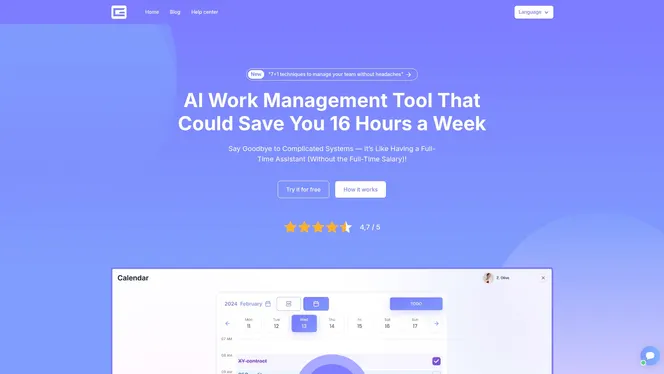
With Gammatica for founders, you can manage your entire client onboarding workflow in one place, from proposal creation to contract follow-up. The platform’s VEX automation handles repetitive review and communication steps so your team focuses on the work that matters. And with Gammatica Sales, you can track proposal status, manage client relationships, and keep every stakeholder aligned throughout the negotiation process. Less time on admin means more time winning the right clients.
Frequently asked questions
What should a comprehensive software proposal template include?
A robust template should cover risk analysis, assumptions, change management, and non-functional requirements to handle project edge cases and prevent costly misunderstandings after signing.
Why do many proposals fail during client onboarding?
Missing critical details like risk mitigation or unclear scope create misalignment between teams. Templates covering assumptions and change management significantly reduce the chance of disputes derailing a new client relationship.
How do you adapt a standard proposal template for a unique software project?
Customize sections like deliverables, assumptions, and change management based on your client’s technical level and project complexity. Comprehensive templates that address non-functional requirements give you a strong starting point that you can scale up or down as needed.